5 Positive Reinforcement Training Techniques That Work
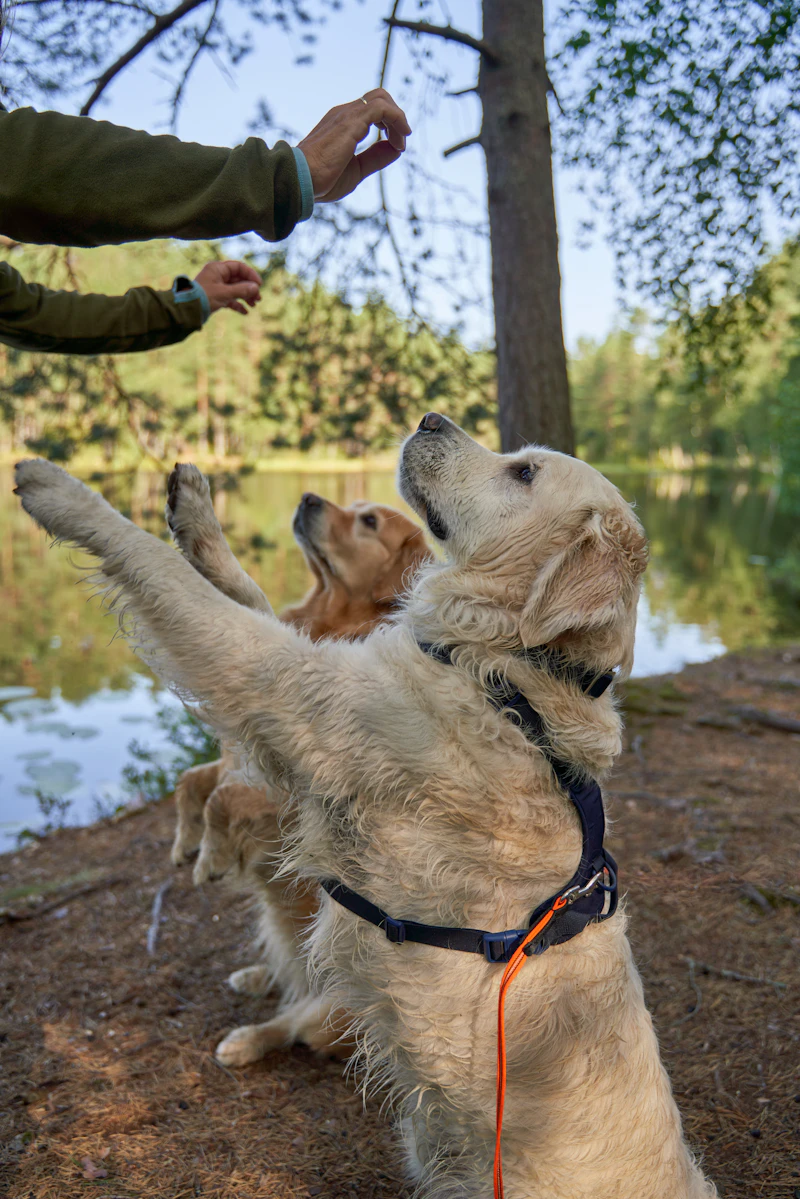
Positive reinforcement training is one of the fastest, kindest ways to teach your dog real-life manners—without intimidation. The goal is simple: reward the behaviour you want so it happens more often
5 Positive Reinforcement Dog Training Techniques That Work
Positive reinforcement training is one of the fastest, kindest ways to teach your dog real-life manners—without intimidation. The goal is simple: reward the behaviour you want so it happens more often. Below are five practical, science-backed techniques Canadian dog owners can start using today (even in a small condo or during snowy walks).
Techniques You Can Use This Week
- Mark and reward (the “Yes!” method): The moment your dog does the right thing, say “Yes!” (or click), then give a treat. Timing matters more than the treat—aim for 1 second or less.
- Capture calm behaviour: When your dog naturally lies down, relaxes, or settles on a mat, quietly reward. Do this often and you’ll build an “off switch” that helps with guests, kids, and apartment noise.
- Lure, then fade the lure: Use a treat to guide a sit, down, or heel position, then reward. After a few reps, switch to an empty hand motion and reward from your pocket. This prevents your dog from only listening when food is visible.
- Reinforce the check-in on walks: Every time your dog looks at you on a leash, mark and reward. This is especially useful during Canadian winter walks when distractions (plows, salt trucks, crunchy snow) spike.
- Teach “trade” to prevent guarding: Offer a higher-value treat, say “Trade,” and reward when your dog releases the item. Give the item back when safe. This builds trust and reduces “keep-away” games.
Pro tip: Use tiny, high-value rewards (pea-sized) and keep sessions short—3–5 minutes, 1–3 times daily. If your dog struggles, make it easier: reduce distractions, increase distance, or lower criteria.
Wrap-Up: Make Good Choices Easy
Positive reinforcement works best when you’re consistent, reward quickly, and set your dog up to succeed. Start with one technique, practise daily, and you’ll see better focus, calmer behaviour, and a stronger bond—no harsh methods required.