Basic Obedience Dog Commands Every Dog Should Know (Practical Obedience Training Guide)
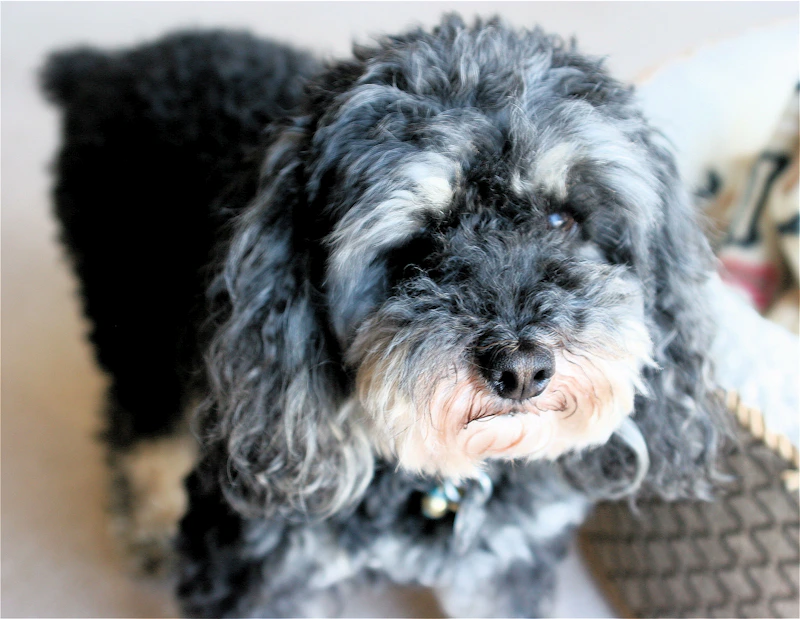
Whether you’ve just brought home a new puppy or you’re polishing manners with an adult dog, basic dog training is one of the best investments you can make. The right dog commands improve safety, reduc
Whether you’ve just brought home a new puppy or you’re polishing manners with an adult dog, basic dog training is one of the best investments you can make. The right dog commands improve safety, reduce stress at home, and make walks, vet visits, and guests easier.
Before You Start: What Makes Obedience Training Work
Great training isn’t about being “strict”—it’s clear communication plus consistent reinforcement.
- Keep sessions short: 3–5 minutes for puppies, 5–10 for adults, 1–3x/day.
- Use one cue per behaviour: pick “Come” or “Here,” not both.
- Reward what you like: mark the exact moment (“Yes!”/click) and reward fast.
- Build difficulty slowly: add distractions, distance, and duration one at a time.
- End on a win: finish with an easy rep.
Tip: If your dog ignores a cue, it’s usually too hard—not stubbornness. Make it easier and try again.
Basic Obedience Dog Commands Every Dog Should Know
Sit: Lure a treat from nose up/back; mark/reward when the butt hits the floor. If your dog backs up, practise near a wall; if they pop up, reward faster, then feed small treats to build duration.
Stay: Teach duration first. Ask for sit/down, pause 1 second, mark/reward in position. Add a release word (“Okay”). Then add distance (half-step back and return) and mild distractions. If they break, reset—no scolding.
Come (Recall): Your most important cue. Start indoors: name + “Come!”, back up, reward generously, then release them back to fun. Never punish after they arrive, avoid using “Come” only for unpleasant stuff, use high-value rewards outdoors, and practise safely on a long line.
Down: Lure to the floor and slightly forward; mark when elbows touch. Use non-slip flooring and reward the instant elbows hit to prevent crawling.
Leave it/Drop it: Leave it: closed-fist treat, reward when they disengage, then add the cue and progress to floor items. Drop it: trade a low-value toy for a high-value treat, then give the toy back. If the item is dangerous, don’t chase—trade calmly; get help for guarding.
Loose-Leash Walking (Daily-Life Game Changer)
- Reward often for slack leash near your chosen side.
- If pulling happens, stop; move again when slack returns.
- A cheerful “Let’s go” helps re-engage.
- Optional: front-clip harness + fixed-length leash (skip retractables).
Simple 7-Day Practice Plan
- Days 1–2: Sit + Down
- Days 3–4: Stay (duration) + gentle handling (paws/ears with treats)
- Days 5–6: Come indoors + Leave it foundation
- Day 7: Review + short loose-leash session
Progression tip: Practise in many locations (home, backyard, quiet sidewalks, then busier areas). If you plateau, lower difficulty and consider a qualified trainer.