Best Dog Bowls and Feeders: Dog Bowl, Slow Feeder, Elevated Dog Bowl & Automatic Dog Feeder Picks and Tips
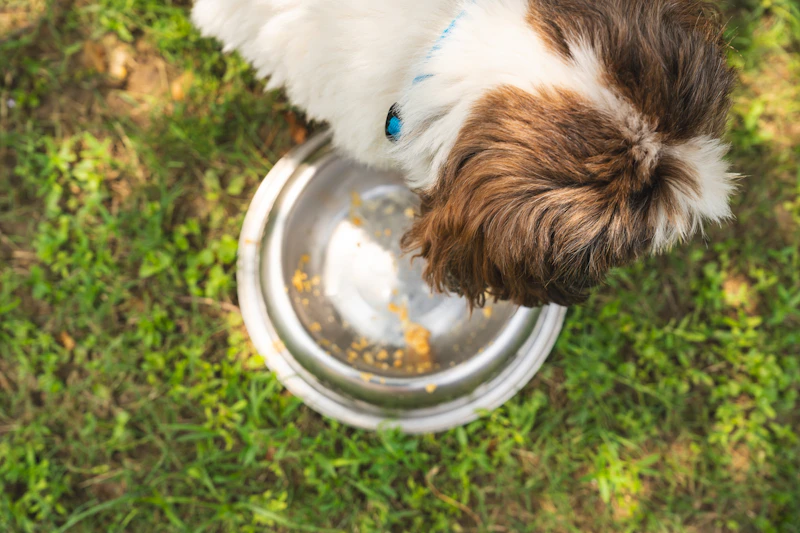
Choosing the right dog bowl or feeder can make meals cleaner, safer, and more comfortable for your dog—and easier for you. The best option depends on your dog’s size, eating style, and your routine.
Choosing the right dog bowl or feeder can make meals cleaner, safer, and more comfortable for your dog—and easier for you. The best option depends on your dog’s size, eating style, and your routine.
Affiliate disclosure: K9Corner may earn a commission if you purchase through links on our site, at no extra cost to you. We only recommend products and features we believe are genuinely helpful for dog owners.
What Makes the “Best” Dog Bowl or Feeder?
The best bowl isn’t the priciest—it’s the one that fits your dog and your lifestyle. Focus on safety, sizing, stability, and easy cleaning.
- Material: Stainless steel and ceramic are easiest to sanitise; plastic can scratch and hold odour.
- Size/capacity: Match your dog’s portions to avoid constant refills or overflow.
- Stability: Non-slip rings, wider bases, and heavier bowls reduce skids and spills.
- Cleaning: Dishwasher-safe, smooth, low-crevice designs save time.
- Eating style: Fast eaters often need a slow feeder; messy drinkers usually do better with wider/heavier bowls.
Replace bowls that are chipped (ceramic), heavily scratched (plastic), or rusted/pitted (metal).
Everyday Bowl Picks (By Material)
- Stainless steel: Best all-around—durable, usually dishwasher-safe. Choose food-grade steel and a non-slip base.
- Ceramic: Heavy and stable for bowl-pushers, but can chip/crack—look for intact glaze and dishwasher-safe labeling.
- Plastic: Fine for travel/backup; pick BPA-free and replace at the first scratches or lingering smell.
Slow Feeder Bowls for Fast Eaters
A slow feeder turns meals into a mild puzzle to reduce gulping and add enrichment—especially helpful if your dog eats frantically or regurgitates after meals.
- Start easy: Too difficult can frustrate and make mealtimes stressful.
- Look for: A non-slip base and channels that are wide enough to scrub clean.
- Fit matters: Choose a size and pattern that suits your dog’s muzzle (especially flat-faced breeds).
Tip: Introduce gradually, supervise at first, and avoid designs that trap canned food residue.
Elevated Bowls + Automatic Feeders: When They Help
An elevated dog bowl can improve comfort for some large, senior, or stiff dogs and may reduce mess. Aim for a natural posture, choose a sturdy stand, easy-clean materials, and noise-reducing holders. If your dog has posture/swallowing issues, ask your vet first.
An automatic dog feeder helps with consistent schedules and portion control. Prioritise accurate portions, jam resistance, a secure lid, removable washable parts, and battery backup. Smart feeders add app control but rely on stable Wi‑Fi—clean the hopper and food path regularly to prevent staleness and buildup.
Quick Buying + Hygiene Checklist
- Muzzle shape: Deep bowls for long snouts; wider bowls for flatter faces.
- Mess level: Heavier bowls, wider bases, and mats help.
- Multi-pet homes: Use separate feeding zones or consider microchip feeders.
- Maintenance: Wash food bowls daily, refresh water often, and replace damaged bowls.