Best Dog Food Brands in Canada: How to Choose Premium, Healthy Dog Food
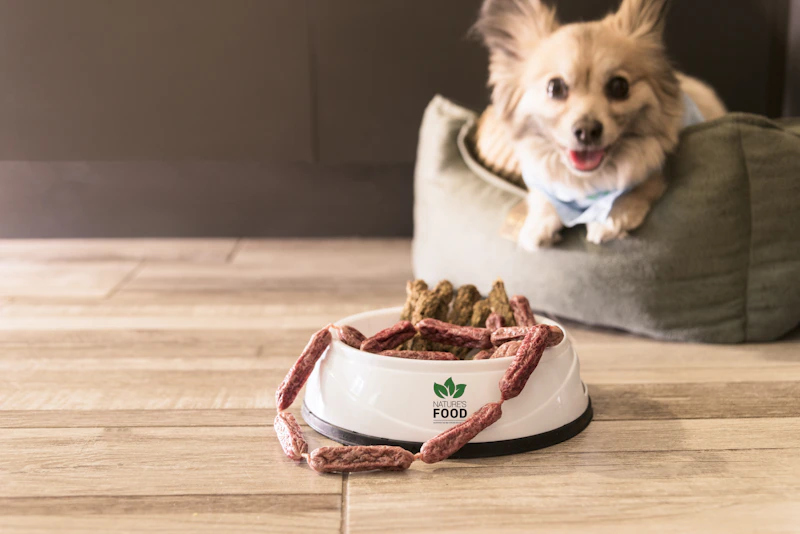
Finding the best dog food in dog food Canada aisles can feel like a maze: global brands, Canadian-made recipes, vet diets, and endless premium dog food claims. This guide breaks down what “good” reall
Finding the best dog food in dog food Canada aisles can feel like a maze: global brands, Canadian-made recipes, vet diets, and endless premium dog food claims. This guide breaks down what “good” really means and how to pick a healthy dog food for your dog’s age, size, and needs—without getting distracted by buzzwords. (Commercial foods only, not raw.)
Affiliate disclosure: K9Corner.ca may earn a commission from some links, at no extra cost to you. We only share brands we believe can help dog owners.
What Makes a Dog Food “Best”? A Practical Checklist
- Confirm nutritional adequacy: Look for “complete and balanced” for your dog’s life stage (puppy/growth, adult maintenance, senior, or all life stages).
- Match life stage + size: Puppies need higher energy and proper calcium/phosphorus (large-breed puppy formulas help steadier growth). Adults need calories that support a lean body condition. Seniors often need fewer calories and may benefit from joint support—ask your vet if medical issues exist. Kibble size and calorie density matter for small vs. large breeds.
- Prioritise tolerance: After a gradual transition, good food supports consistent stools, steady energy, healthy coat, and normal appetite. Chronic itching, ear infections, vomiting/diarrhoea, or gas = vet check (food and medical issues can look alike).
- Don’t overvalue trends: Ingredient lists don’t tell the whole story. Nutrient profile, quality control, and “fit” matter more than “grain-free,” “ancient grains,” or exotic proteins—especially for puppies or dogs with heart/digestive concerns.
Best Dog Food Brands in Canada (Widely Available)
- Hill’s Science Diet: reliable life-stage formulas; sensitive stomach/skin; therapeutic vet diets via clinics.
- Royal Canin: breed/size-specific kibble shapes; extensive veterinary diet range.
- Purina Pro Plan: strong quality-to-value; performance and sensitive lines; vet diets available.
- Orijen: Canadian, rich/high-protein; transition slowly for sensitive dogs.
- ACANA: Canadian, broad recipes; often more budget-friendly than Orijen.
- Farmina N&D: premium with multiple lines (including grain-inclusive); helpful for picky eaters.
Note: The “best” brand depends on your dog’s tolerance, your vet’s guidance, availability, and budget.
How to Compare Premium Dog Food (Without Guesswork)
- Start with life stage (puppy/adult/senior).
- Check calorie density (kcal/cup or kcal/kg): it affects portions, weight control, and true cost per day.
- Match protein/fat to lifestyle: active dogs often need more calories; less active dogs need tighter portions. Fat-restricted needs require vet direction.
- Choose practical options: kibble size, bag size that stays fresh, and consistent availability.
Common Needs + Safe Switching
- Sensitive stomach: choose a sensitive digestion formula; transition 7–10 days (10–14 if needed); avoid treat changes; call your vet if diarrhoea persists.
- Itchy skin/ears: see your vet; if a diet trial is recommended, use a veterinary or clearly defined limited-ingredient food and avoid “extras.”
- Weight management: pick a weight-control formula; measure with a scale; keep treats minimal; reassess every 2–4 weeks.
- Switching schedule: Days 1–2: 75/25, Days 3–4: 50/50, Days 5–6: 25/75, Day 7+: 100% (slower for sensitive dogs). If vomiting, persistent diarrhoea, lethargy, or appetite loss occurs, pause and contact your veterinarian.