Best Dog Grooming Tools: Top Picks for a Healthier Coat, Cleaner Paws, and Safer Nail Trims
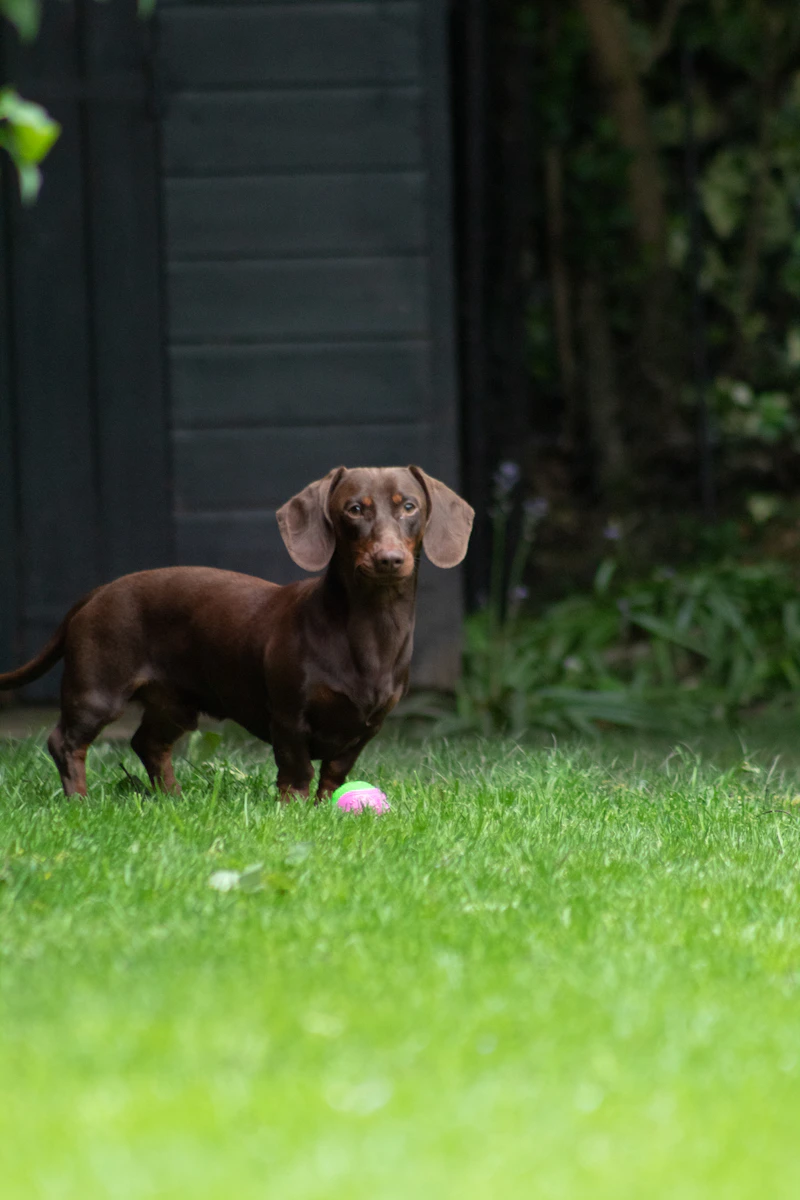
Having the best dog grooming tools at home makes routine care quicker, safer, and less stressful. The right kit removes loose hair before it mats, reduces shedding, supports healthy skin, and keeps na
Having the best dog grooming tools at home makes routine care quicker, safer, and less stressful. The right kit removes loose hair before it mats, reduces shedding, supports healthy skin, and keeps nails at a comfortable length.
Affiliate disclosure: This article may contain affiliate links. If you buy through them, K9Corner.ca may earn a small commission at no extra cost to you.
How to Choose the Best Dog Grooming Tools
Match tools to your dog’s coat type and tolerance for handling. Start gentle, then add specialty tools only to solve a real issue (shedding, tangles, undercoat).
- Short/smooth: rubber curry/mitt + soft bristle for shine
- Double coat: undercoat rake and/or deshedding brush (use carefully)
- Long/silky: slicker + metal comb to prevent tangles
- Curly/wavy: slicker + quality comb to brush down to the skin
- Sensitive/puppies/seniors: rounded pins, light pressure, short sessions, more breaks
Best Dog Brush Options (What to Use and When)
- Slicker brush: versatile; use gentle, short strokes to avoid “brush burn.” If you hit resistance, stop and switch to a comb or detangling spray.
- Bristle brush: ideal for short coats and finishing; distributes natural oils and is often well tolerated.
- Rubber curry/mitt: great for short coats, anxious dogs, and bath time; not for detangling.
- Pin brush: gentle daily option for longer coats; pair with a metal comb to confirm you’re through to the skin.
Deshedding Brush vs Undercoat Rake (Shedding Tools Done Right)
- Deshedding brush: for substantial double coats; use on a clean, dry coat with light pressure and short passes. Don’t overuse—stop if you see redness.
- Undercoat rake: best for thick undercoat; don’t use on mats (it can snag and hurt).
Never “power through” mats. Tight matting can be painful—book a professional groomer for severe cases.
Dog Nail Clippers & Safe Trimming
- Scissor-style: more control for medium/large dogs
- Guillotine-style: common for small dogs (keep blades sharp)
- Grinders: gradual shaping and smoothing
Trim after a walk in good light, taking tiny slices and following the nail’s curve. Reward often. Keep styptic powder or cornstarch nearby; contact a vet if bleeding won’t stop or your dog seems in significant pain.
Other Must-Haves + Simple Weekly Routine
- Metal comb: your “quality check” after brushing
- Dematting tool: for small mats only; use cautiously
- Dog-safe shampoo/conditioner: avoid human products; go fragrance-free for itchy skin
- Ear cleaner (as needed): vet-approved; use cotton pads, not swabs in the canal
- Brush: 2–4x/week (daily for long/curly or heavy shedding)
- Paws: check after walks
- Nails: small trims every 1–2 weeks
- Bath: as needed (too frequent can dry skin)
Use a non-slip surface, practice calm handling, keep sessions short, and replace dull blades or worn brushes. For severe matting, ongoing skin issues, or intense fear, work with a professional groomer and your veterinarian.