Best Dog Harnesses and Leashes: How to Choose a Dog Harness, No-Pull Harness, and the Best Dog Leash
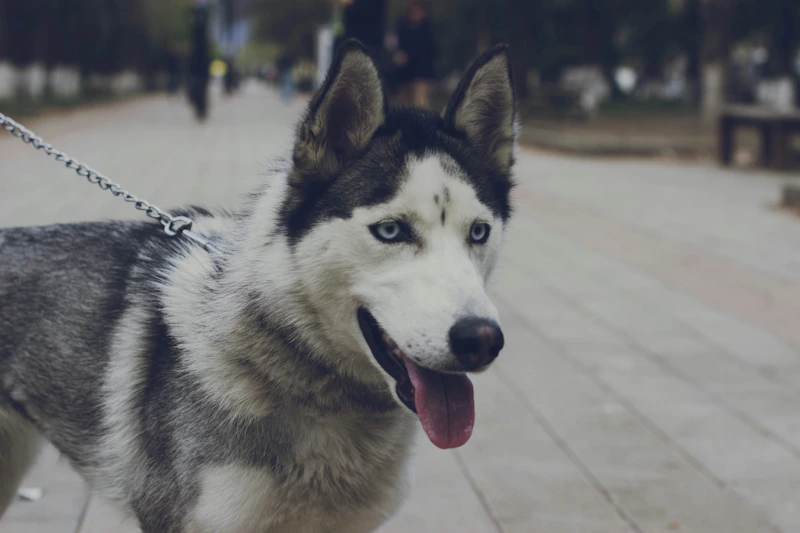
Choosing the best dog harness and best dog leash can make walks safer, calmer, and more comfortable—especially for dogs that pull, startle, or are still learning. The right setup improves communicatio
Choosing the best dog harness and best dog leash can make walks safer, calmer, and more comfortable—especially for dogs that pull, startle, or are still learning. The right setup improves communication without harsh corrections and reduces strain on your dog’s neck (and your hands and shoulders).
Why a Dog Harness Often Beats a Collar for Walking
A harness is often the better everyday choice for loose-leash training, managing pulling, and supporting small dogs with delicate tracheas. A good walking harness spreads pressure across the chest and torso, not the neck.
- Better pressure distribution for lungers, pullers, and sensitive breathers
- More control with less risk of neck strain during sudden moves
- Extra safety for escape-prone dogs with secure buckles/extra straps
Important: Gear helps manage behaviour, but reward-based training creates lasting change.
Types of Dog Harnesses (and Who They Suit)
- Back-clip: Simple and comfy for calm walkers, many small dogs, and seniors; can encourage pulling in some dogs.
- Front-clip: Great for mild-to-moderate pullers; redirects forward momentum. Poor fit can cause shoulder rubbing or leg tangles.
- No-pull: Training-focused designs for strong/adolescent/newly adopted dogs. Helpful, not “set-and-forget”—watch for rubbing or restricted movement. For extreme pulling/reactivity, consider a qualified reward-based trainer.
- Y-front (non-restrictive): Often allows better shoulder freedom for active dogs and longer walks, but fit can be finicky.
- Escape-resistant/dual-strap: Adds a strap behind the ribcage for fearful dogs, sighthounds, and flight risks; adjust carefully to prevent chafing.
How to Choose the Best Dog Leash
- Standard leash (1.2–1.8 m / 4–6 ft): Best for everyday control and training.
- Long line (5–15 m / 15–50 ft): Recall practice/decompression in open areas; use with a harness.
- Hands-free: Useful for running/hiking; best with dogs that won’t lunge.
- Traffic leash: Short, close control for busy streets and vet trips.
Look for nylon, leather, or easy-clean biothane, plus strong clips, reinforced stitching, and a comfortable handle. Retractable leashes often reduce control and can encourage pulling.
Fit Matters: Quick Harness Checklist
- Measure chest girth and lower neck; follow the brand’s sizing guide.
- Use the two-finger rule (snug, not tight).
- Ensure armpit/shoulder clearance for a full stride.
- Check for rubbing after walks; adjust promptly.
- Test for escapes; switch to a dual-strap model if needed.
Best Pairings (Simple Starting Points)
- Pullers: Front-clip/no-pull + standard leash; reward position, stop for slack, then continue.
- Small dogs: Soft harness + lightweight hardware.
- Nervous/escape-prone: Dual-strap harness + strong leash + optional backup connection; avoid crowded areas early on.
- Hiking: Secure padded harness + hands-free leash or long line; bring a backup clip/leash and inspect gear regularly.