Best Dog Harnesses and Leashes: How to Choose a Dog Harness, No-Pull Harness, and the Best Dog Leash for Safer Walks
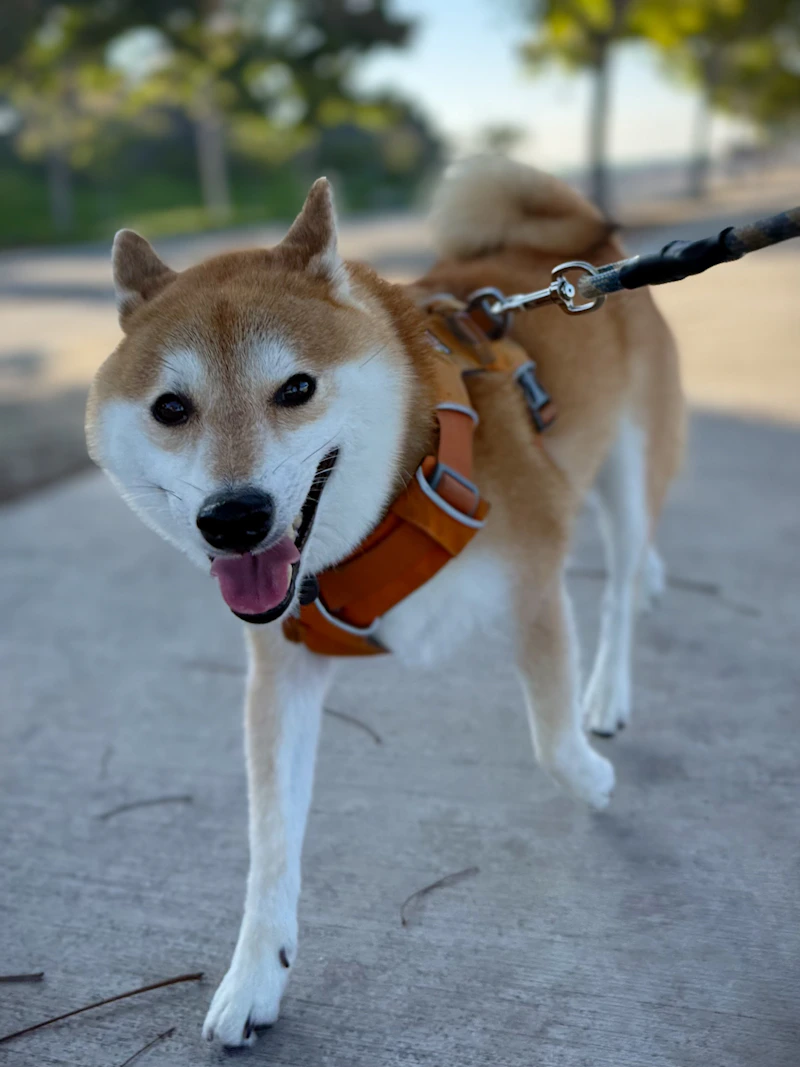
Choosing the right dog harness and leash can make walks safer, more comfortable, and far less frustrating—especially with dogs who pull, lunge, or get overexcited. You don’t need the priciest gear; yo
Choosing the right dog harness and leash can make walks safer, more comfortable, and far less frustrating—especially with dogs who pull, lunge, or get overexcited. You don’t need the priciest gear; you need the right walking harness style, correct sizing, and a leash that fits your routine.
Affiliate disclosure: This article may include affiliate links. If you buy through them, K9Corner.ca may earn a small commission at no extra cost to you.
What Makes a Great Dog Harness (and When You Should Use One)
Harnesses reduce neck pressure and can improve control and stability—ideal for longer walks, hikes, and busy environments.
- Benefits: less neck strain (small/flat-faced/cough-prone dogs), more control, often harder to slip than collars, added comfort with wider straps/padding.
- Watch-outs: poor fit can rub; some designs restrict shoulders if they sit too far forward; gear won’t “fix” behaviour without training.
No-Pull Harness vs. Standard Walking Harness
A standard harness focuses on comfort and everyday control. A no-pull harness supports loose-leash training by changing leverage.
- Front-clip: leash attaches at the chest and gently turns your dog back toward you when they pull.
- Multi-clip: front + back options so you can adjust as training improves.
- Head halter: not a harness, but can reduce pulling with careful conditioning and correct use.
Safety note: Don’t use front-clip setups with harsh yanks. Pair with reward-based training; consider light shock absorption if your dog hits the end of the leash.
Harness Buying + Fit Checklist
- Fit/adjustability: multiple adjustment points; don’t size up; many dogs move best in a Y-shaped front that stays off the shoulders.
- Hardware/comfort: sturdy buckles and D-rings, reinforced stitching, smooth-edged webbing, padding at chest/belly, breathable materials.
- Fit basics: measure girth (behind front legs) and lower neck/chest; front sits on chest (not throat); allow full shoulder stride; use the two-finger rule; check for redness after short walks; do an escape check (extra belly strap for escape artists).
Best Dog Leash: What to Choose
- Standard (4–6 ft): best all-around for neighbourhood walks and training.
- Long line (5–10+ m): great for recall and sniff walks in safe open areas (not the same as retractable).
- Hands-free: useful for hiking/jogging; not ideal for strong pullers without solid training and braking control.
- Retractable: use with caution—often encourages pulling, reduces emergency control, and cords can injure.
- Materials: nylon (affordable), leather (comfortable/durable), coated webbing (wipe-clean, water-resistant).
Key Takeaways
- Choose a comfort-first walking harness; use a no-pull harness (often front-clip) to support training.
- Prioritize fit, adjustability, and shoulder freedom—most harness problems are fit problems.
- A 4–6 ft leash suits most owners; long lines shine in the right spaces.
- With smart gear and consistent, reward-based practice, walks get calmer and safer.