reviews
Best Dog Harnesses and Leashes: How to Choose the Right Dog Harness, No-Pull Harness, and Best Dog Leash
2 min readBy K9Corner.caUpdated: March 13, 2026
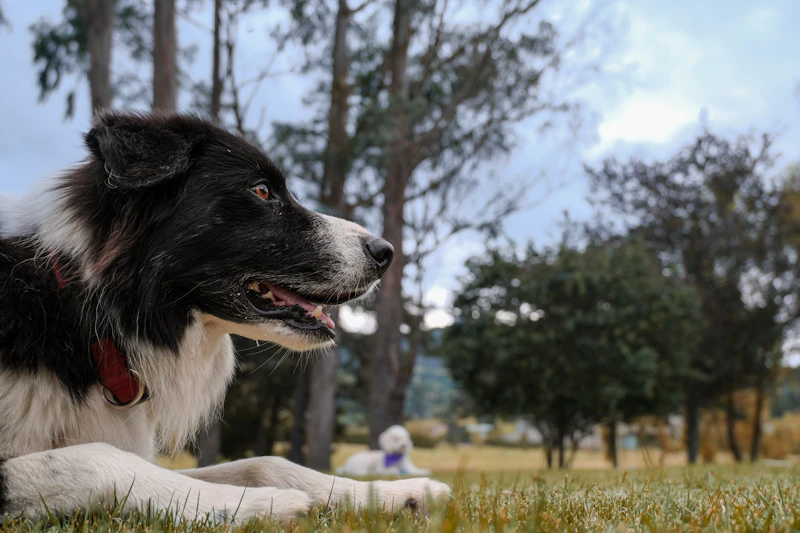
Choosing the right dog harness and leash makes walks safer, more comfortable, and more enjoyable. The best combo depends on your dog’s size, shape, walking style, and your goals (training, city walks,
Choosing the right dog harness and leash makes walks safer, more comfortable, and more enjoyable. The best combo depends on your dog’s size, shape, walking style, and your goals (training, city walks, hiking, or recall practice).
Affiliate disclosure: K9Corner.ca may earn a commission if you purchase through links on our site, at no extra cost to you. We only recommend products and features we believe are genuinely helpful to dog owners.
Why a Dog Harness Often Beats a Collar for Walks
- Reduced neck strain: Pressure spreads across the chest/shoulders—great for pullers, small dogs, flat-faced breeds, and sensitive tracheas.
- More control: Easier steering and support, especially with training-friendly designs.
- Harder to escape: Many harnesses are tougher to slip when fitted correctly.
- Training support: A no-pull harness can help manage pulling while you teach loose-leash walking.
Note: Gear helps, but it’s not a substitute for rewards-based training and consistent handling.
Types of Dog Harness: Quick Guide
- Back-clip: Simple and comfy for polite walkers; strong pullers may lean in.
- Front-clip: Adds steering and can reduce pulling by turning your dog toward you; needs a good fit to avoid rubbing.
- No-pull: Often front-clip with added geometry; avoid overly restrictive designs that limit shoulder movement.
- Y-front/ergonomic: Usually more stride-friendly, but not automatically “no-pull.”
- Step-in: Helpful for head-shy dogs; can be easier to back out of if loose.
- Dual-clip: Front + back rings for flexibility; more hardware to inspect.
What to Look For in the Best Dog Harness
- Fit/adjustability: Multiple adjusters (often 4), flat-lying straps, and a snug (not tight) feel.
- Comfort: Soft edges, sensible padding, breathable materials.
- Shoulder freedom: No digging into joints; watch for shortened stride or armpit rubbing.
- Durability: Strong buckles, metal D-rings, reinforced stitching, reflective accents.
- Escape resistance: For “Houdini” dogs, consider a 3-strap/extra belly strap design.
Best Dog Leash: What to Choose
- Standard 4–6 ft: Best all-around (6 ft is the sweet spot). Look for a comfy handle and strong clasp.
- Traffic handle: Extra control in crowds, near roads, or at the vet.
- Long line 15–50 ft: Ideal for recall and decompression; use gloves if needed and don’t wrap it around your hand.
- Adjustable/multi-way: Versatile and can be worn cross-body.
- Retractable: Use with caution—less control and more safety/training issues.
Fit and Safety Checklist
- Measure: Use chest girth + neck per the brand’s guide.
- Two-finger check: Snug, not tight.
- Armpit clearance: Avoid rubbing behind elbows; watch your dog walk and adjust.
- Inspect regularly: Check stitching, buckles, D-rings, and clips for wear.
- Use ID: Tags and/or microchip, even with secure gear.
Key Takeaways
- For pullers: start with a well-fitted no-pull harness + a 6-ft leash, and train consistently.
- Prioritise fit, comfort, and shoulder freedom.
- Match leash length to your environment (standard daily, traffic for busy areas, long line for training).