Best Dog Harnesses and Leashes: How to Choose the Right Dog Harness, No-Pull Harness, and Best Dog Leash
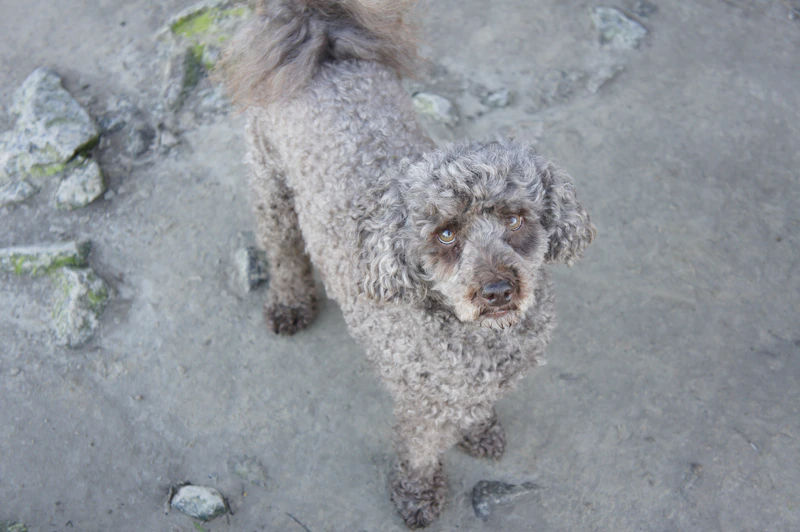
Choosing the right dog harness and leash can make daily walks safer, calmer, and more enjoyable—for both ends of the lead. The best setup reduces pulling, prevents escapes, protects your dog’s neck, a
Choosing the right dog harness and leash can make daily walks safer, calmer, and more enjoyable—for both ends of the lead. The best setup reduces pulling, prevents escapes, protects your dog’s neck, and gives you reliable control without relying on harsh gear. Affiliate disclosure: K9Corner.ca may earn a commission if you purchase through links on our site at no extra cost to you.
Why a Dog Harness Often Beats a Collar for Walking
Collars are fine for ID tags and some calm walkers, but leash pressure on the neck can be risky—especially for dogs that pull, lunge, cough, have small airways, or are still learning. A well-fitted walking harness spreads pressure across the chest/shoulders and can be more secure for dogs prone to backing out.
- Especially helpful for: pullers/lungers, small breeds, puppies, seniors, and escape artists.
Harness Types (What to Choose)
- Back-clip: Comfortable and simple; best for polite walkers. Con: can increase pulling leverage.
- Front-clip: Redirects the dog toward you when they pull—great for loose-leash training. Con: can rub armpits or twist if fit is off.
- Dual-clip (front + back): Train with the front, relax with the back; works well with double-ended leashes. Con: more adjustment.
- No-pull harness: Usually front-clip/special leverage design; helpful, but not a magic fix—pair with training. Avoid designs that restrict shoulders, compress the throat, or change gait.
- Step-in: Good for head-shy dogs. Con: often back-clip only; fit can be tricky on broad chests.
Fit Checklist (Comfort + Escape Prevention)
- Two-finger rule under each strap.
- Chest strap sits on the breastbone, not the throat.
- Armpit clearance to prevent rubbing.
- Full motion (walk, trot, sit, lie down comfortably).
- Back-out test: with leash attached, gently apply backward pressure; adjust or choose a more secure design if they slip.
Best Dog Leash Options (What Matters)
- Standard 1.2–1.8 m (4–6 ft): best everyday choice; look for a comfy handle, strong stitching, reliable clip.
- Adjustable: short for sidewalks, long for trails; hardware should be smooth and easy.
- Hands-free: great for jogging; use with decent manners and a secure buckle/optional traffic handle.
- Long line (5–15 m): ideal for recall and sniff walks in appropriate spaces; consider gloves.
- Retractable: use with caution—less control, can encourage pulling; reserve for open areas and reliable dogs.
Pairing + Training (No Harsh Tools)
- Front-clip + 1.8 m (6 ft) leash: simple training setup.
- Dual-clip + double-ended leash: extra control, less twisting.
- Back-clip + leash with traffic handle: great for calm dogs and tight spaces.
- Reward slack-leash position, pause/turn when tight, start in low-distraction areas, and prioritize natural movement.
If pulling or reactivity is intense, work with a qualified reward-based trainer.