Common Dog Health Issues and How to Prevent Them
Most dog health problems are easier (and cheaper) to prevent than to treat. In Canada, seasonal weather swings, ticks, and winter road salt can add extra risks. The good news: a few consistent habits
Common Dog Health Issues (and Why Prevention Matters)
Most dog health problems are easier (and cheaper) to prevent than to treat. In Canada, seasonal weather swings, ticks, and winter road salt can add extra risks. The good news: a few consistent habits can significantly reduce your dog’s chances of developing common issues—and help you catch problems early.
Top Dog Health Issues to Watch For
- Dental disease: Bad breath, red gums, and tartar can lead to pain and infections.
- Obesity: Extra weight increases risk of arthritis, diabetes, and heart strain.
- Ear infections: Common in floppy-eared or allergy-prone dogs; look for head shaking and odor.
- Skin allergies/hot spots: Itching, licking, and redness can flare with pollen, food sensitivities, or fleas.
- Parasites: Fleas, ticks, and intestinal worms can cause anemia, illness, and (with ticks) Lyme disease in many Canadian regions.
- Joint issues: Especially in large breeds and seniors; stiffness after rest is a key clue.
How to Prevent Dog Health Problems
- Book routine vet care: Annual (or twice-yearly for seniors) exams help spot issues early. Ask about core vaccines and region-specific risks like ticks.
- Brush teeth + use dental chews: Aim for daily brushing; even 3–4 times/week helps. Schedule professional cleanings as recommended.
- Keep a lean body condition: Measure food, limit treats to 10% of calories, and prioritize daily walks and play. If weight is creeping up, switch to a vet-approved weight diet.
- Use parasite prevention: Talk to your vet about flea/tick protection and deworming schedules, especially if you hike, camp, or visit dog parks.
- Protect paws year-round: In winter, rinse off salt and de-icer, trim paw hair, and consider booties or paw balm.
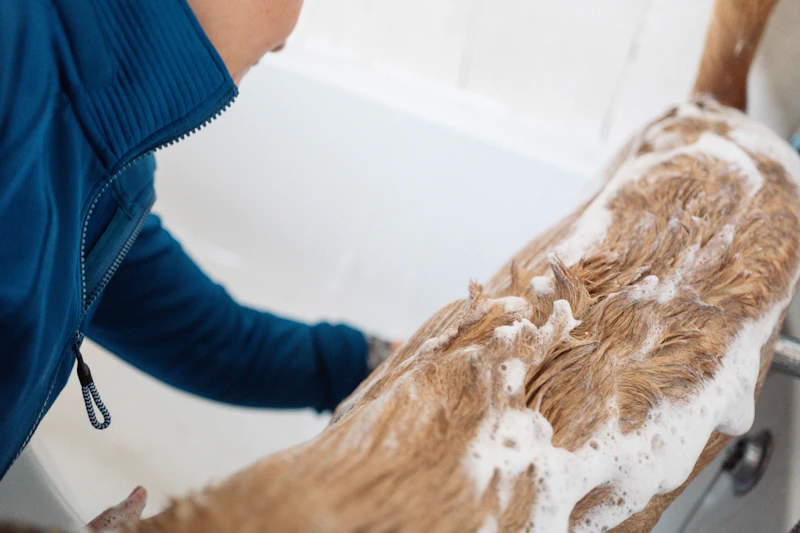
- Groom smart: Dry ears after swims, brush coat regularly, and check for lumps, ticks, and skin irritation.
Bottom line: Consistent prevention—vet checkups, dental care, healthy weight, parasite control, and seasonal protection—keeps most dogs healthier for longer. When in doubt, call your veterinarian early; small symptoms can become big problems fast.