Common Dog Health Problems and Prevention: Practical Ways to Prevent Dog Illness
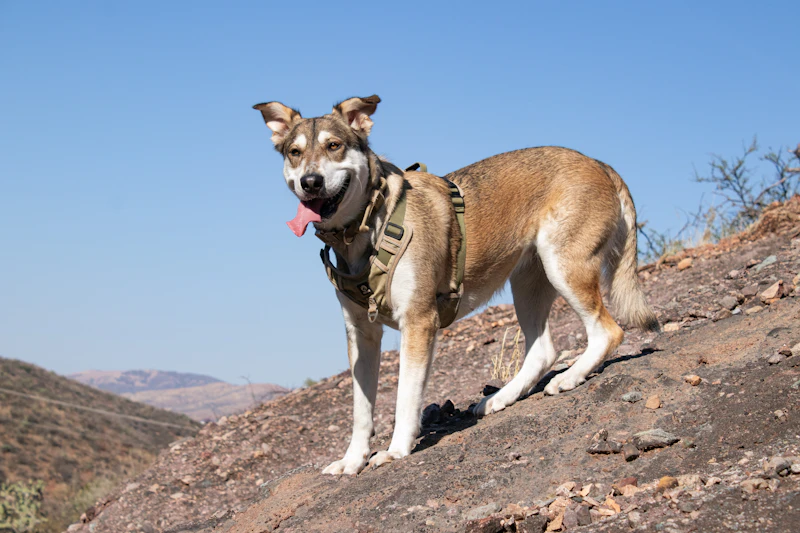
Keeping your dog feeling their best isn’t guesswork—it’s the consistent basics: good nutrition, parasite control, dental care, exercise, and timely veterinary support. Many common dog health problems
Keeping your dog feeling their best isn’t guesswork—it’s the consistent basics: good nutrition, parasite control, dental care, exercise, and timely veterinary support. Many common dog health problems are preventable or far easier to manage when caught early.
1) Skin and ear problems: itching, infections, and allergies
Common triggers include allergies, fleas/mites, yeast/bacteria, trapped moisture, and sometimes hormone issues.
- Watch for scratching/licking, red skin or hot spots, ear odour/discharge, and head shaking.
- Use vet-recommended flea/tick prevention—even one bite can spark a flare-up.
- Keep ears dry after swimming/baths; ask your vet about safe cleaning routines.
- Use dog-specific shampoo; go medicated only with veterinary guidance.
- Don’t “wait and see” with ear pain or intense itching—untreated infections snowball.
2) Dental disease: the silent threat to dog health
Plaque hardens into tartar, inflaming gums and leading to pain, tooth loss, and infection.
- Signs: bad breath, visible tartar, red/bleeding gums, chewing changes, facial/jaw swelling.
- Brush with dog toothpaste several times weekly (daily is ideal but not always realistic).
- Choose vet-approved dental chews/diets; avoid very hard items that can fracture teeth.
- Book professional cleanings when your vet recommends.
3) Parasites: fleas, ticks, heartworm, and intestinal worms
- Keep preventives on schedule (year-round or seasonal based on local risk).
- Do tick checks after hikes: ears, neck, armpits, groin, between toes, under collars.
- Run routine stool tests—many worms aren’t visible.
- Pick up poop promptly to reduce reinfection and spread (some parasites can affect people).
4) Digestive upsets and pancreatitis risk
Repeated vomiting/diarrhoea, lethargy, dehydration, belly pain, or blood/black stool needs prompt veterinary care.
- Feed a complete, balanced diet matched to life stage and size.
- Transition foods gradually over about a week.
- Limit rich/fatty scraps; use portion control and prevent scavenging (secure bins, teach “leave it”).
5) Obesity, joints, and routine prevention
- Ask your vet for a body condition score and target weight; measure meals and count treats.
- Prioritize low-impact movement: steady walks, sniffy walks, swimming if appropriate; add ramps/non-slip footing if needed.
- Keep vaccines current, schedule wellness exams (more often for seniors), and discuss screening tests and spay/neuter timing.
- At home: track appetite, thirst, weight, energy, bathroom habits, and check lumps monthly.
Conclusion: key takeaways for stronger dog health
- Stay consistent with parasite prevention and routine checks.
- Do dental care at home and get vet cleanings when needed.
- Feed balanced meals, change foods slowly, and skip fatty extras.
- Keep your dog lean with measured portions, smart treats, and regular exercise.
- Vaccines and exams help catch dog diseases early.
If you’re unsure whether a symptom is serious, contact your veterinarian—early guidance is one of the best healthy dog tips of all.