Dealing with Separation Anxiety in Dogs
Separation anxiety in dogs is more than a little whining—it’s real distress that can show up as barking, destruction, pacing, drooling, or accidents soon after you leave. The good news: with the right
Dealing with Separation Anxiety in Dogs: Practical Steps That Work
Separation anxiety in dogs is more than a little whining—it’s real distress that can show up as barking, destruction, pacing, drooling, or accidents soon after you leave. The good news: with the right plan (and patience), most dogs improve. If your dog’s panic is intense or sudden, talk to your veterinarian—especially to rule out pain or medical causes and to discuss behaviour support options available across Canada.
Build Calm Departures with Training (Not Guilt)
The goal is to teach your dog that alone time is safe and predictable. Start small and go slowly.
- Practice micro-absences: Step out for 5–30 seconds, return before your dog escalates, and gradually increase time.
- Desensitize cues: Pick up keys, put on boots, or grab your bag—then sit back down. Repeat until those triggers stop predicting “panic.”
- Reward calm, not clingy: Praise and treat when your dog settles on a mat or bed. Keep greetings low-key to avoid emotional spikes.
- Create a safe zone: Use a comfy room or pen with water, a bed, and a white-noise machine. Only crate if your dog is already crate-comfortable.
Meet Needs Before You Leave
A tired, enriched dog copes better—but exhaustion won’t “fix” anxiety alone. Combine exercise with brain work.
- Pre-departure routine: A brisk walk, potty break, then 10 minutes of training (sit, touch, settle).
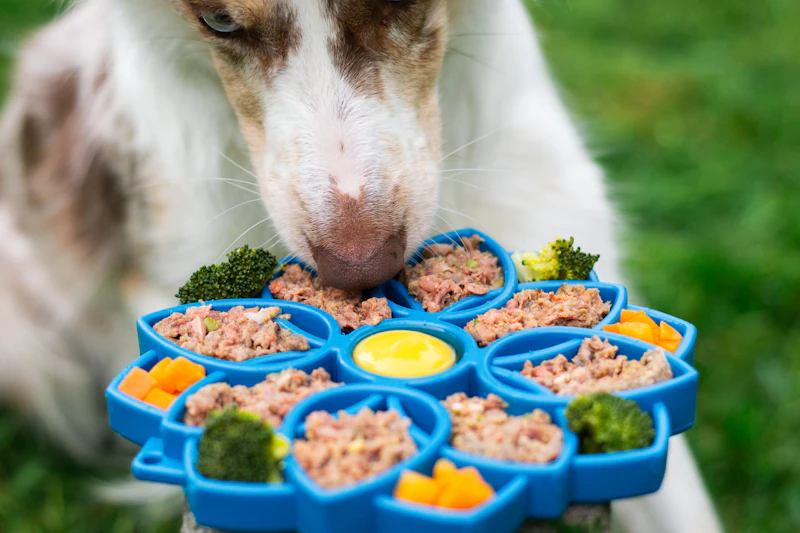
- Food puzzles: Stuffed Kongs, snuffle mats, or frozen wet food can buy calm time. (In Canada’s winters, frozen enrichment lasts longer.)
- Alone-time enrichment: Rotate safe chews and toys to prevent boredom.
- Consider help: Dog walkers, daycare, or a trusted neighbour can bridge training gaps—especially during long workdays.
Conclusion: Separation anxiety is treatable with gradual training, consistent routines, and smart enrichment. If you’re not seeing progress in a few weeks, or your dog is hurting themselves, seek a certified trainer or veterinary behaviour support for a tailored plan.