Dealing with Separation Anxiety in Dogs
Separation anxiety in dogs isn’t “bad behaviour”—it’s panic when you leave. Common signs include barking/whining, destructive chewing near doors or windows, pacing, drooling, and house soiling shortly
Dealing with Separation Anxiety in Dogs (Practical Steps That Work)
Separation anxiety in dogs isn’t “bad behaviour”—it’s panic when you leave. Common signs include barking/whining, destructive chewing near doors or windows, pacing, drooling, and house soiling shortly after you head out. Many Canadian dogs developed this during work-from-home routines and struggle when schedules change. The good news: most dogs improve with a structured plan and patience.
Build Calm Alone-Time Skills (Without Making It Worse)
Your goal is to teach your dog that departures are safe and predictable. Start small and progress only when your dog stays relaxed.
- Practice “micro-absences”: step out for 5–30 seconds, return calmly, repeat. Gradually increase time by minutes, not hours.
- Make leaving boring: no big goodbyes; ignore for 1–2 minutes before leaving and after returning.
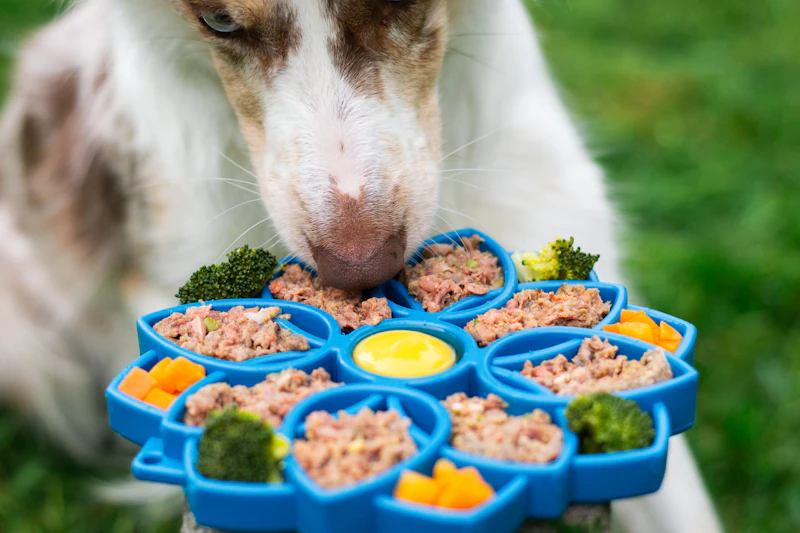
- Pair alone time with a high-value activity: frozen Kong, lick mat, or snuffle mat given only when you leave. Remove it when you return.
- Train a settle spot: reward calm on a bed/mat while you move around the home, then while you briefly step out.
- Use a consistent cue: a phrase like “Back soon” can become reassuring when paired with short absences.
Avoid punishment for accidents or damage—it increases anxiety and can intensify the problem.
Set Up the Environment + Get Help When Needed
- Meet needs first: a walk, sniff time, and a quick training session before you go can reduce stress.
- Prevent rehearsal: if your dog panics, don’t leave them to “cry it out.” Use doggy daycare, a pet sitter, or a trusted neighbour while you train.
- Create comfort: white noise, closed curtains, and a safe space (not always a crate) can help.
- Rule out medical issues: talk to your veterinarian if symptoms are sudden or severe.
- Consider professional support: a qualified force-free trainer or veterinary behaviourist can tailor a plan; in some cases, medication supports training.
Conclusion: Separation anxiety is treatable. With gradual training, smart management, and the right support, your dog can learn to stay calm—and you can leave the house with confidence.