Dealing with Separation Anxiety in Dogs
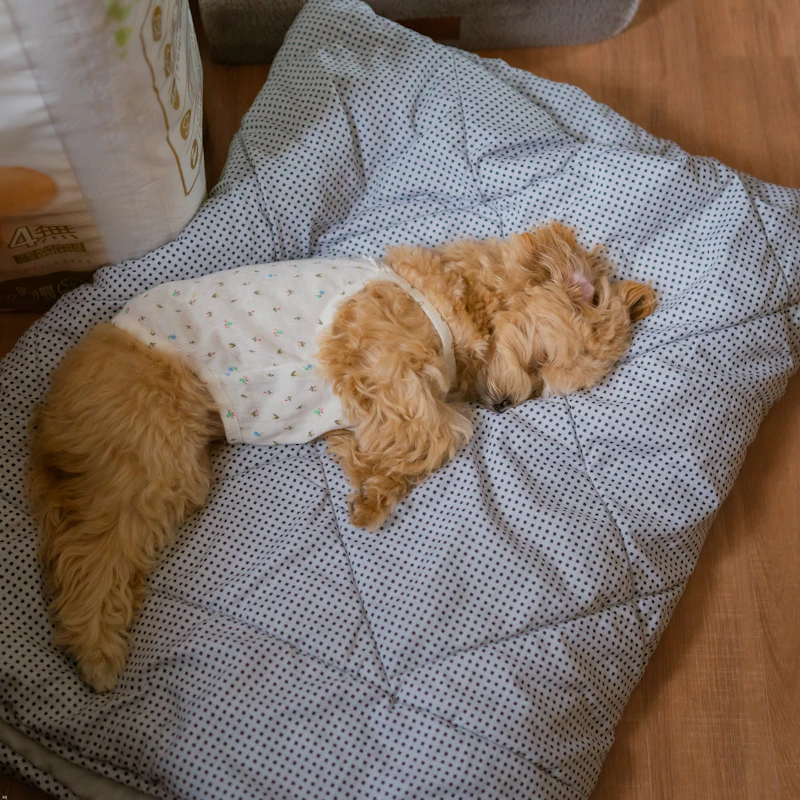
Separation anxiety in dogs is more than a little whining—it’s panic when you leave. Common signs include nonstop barking, scratching doors, pacing, drooling, or destructive chewing soon after you head
Separation anxiety in dogs is more than a little whining—it’s panic when you leave. Common signs include nonstop barking, scratching doors, pacing, drooling, or destructive chewing soon after you head out. The good news: with a structured plan, most Canadian dog owners can reduce symptoms and help their dogs feel safe alone.
Recognize the Signs (and Rule Out Other Issues)
Before training, confirm it’s separation anxiety—not boredom, lack of exercise, or a medical problem. Video your dog for the first 30–60 minutes after you leave to spot patterns. If your dog is suddenly anxious, house-soiling, or chewing unusually, book a vet visit to rule out pain or urinary issues. In Canada, many clinics and trainers now offer virtual consults, which can be helpful if you’re rural or short on time.
Training That Actually Works
The most effective approach is gradual desensitization: teaching your dog that departures are safe and temporary.
- Practice short “alone time” reps: step out for 5–30 seconds, return calmly, repeat. Increase time only when your dog stays relaxed.
- Change departure cues: pick up keys, put on boots, then sit down. Make triggers boring.
- Pre-departure calm routine: 10–15 minutes before leaving, offer a predictable settle spot (mat/bed) and a quiet chew.
- Use food puzzles strategically: stuffed Kongs or lick mats can help, but only if your dog will eat when alone—some anxious dogs won’t.
- Meet basic needs: a brisk walk, sniffing time, and a bathroom break reduce restlessness.
- Create a safe setup: a cozy room, white noise, and blocked window views can lower arousal. Avoid crating if it increases panic.
If anxiety is severe, consider a Certified Separation Anxiety Trainer (CSAT) or a positive-reinforcement trainer. In some cases, your vet may discuss medication to support training.
Conclusion
Dealing with separation anxiety in dogs takes patience, not punishment. Keep absences below your dog’s threshold, build up slowly, and get professional help early if needed. Consistent, calm practice is what creates lasting confidence.