Dog Allergies: Symptoms, Causes, and Treatments
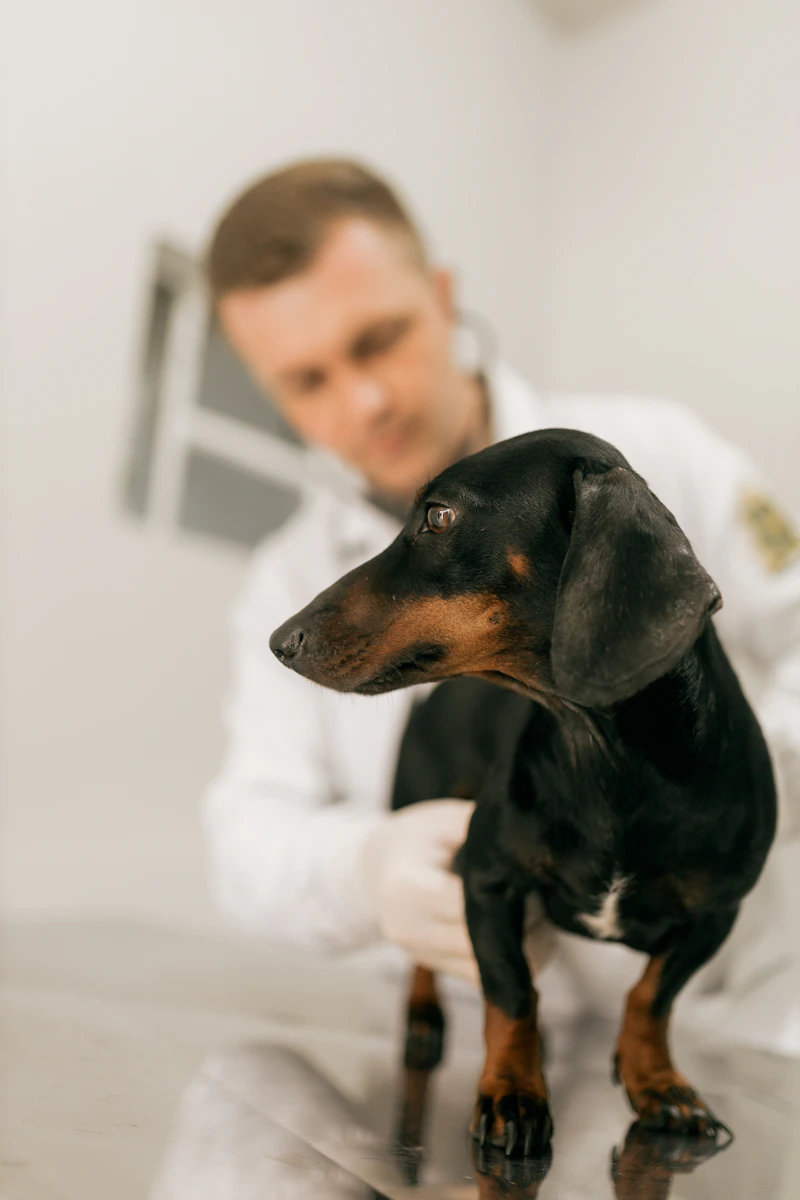
Itchy skin, endless licking, and recurring ear infections can leave Canadian dog owners wondering: is it allergies or something else? Dog allergies are common—and manageable—when you know the signs, t
Itchy skin, endless licking, and recurring ear infections can leave Canadian dog owners wondering: is it allergies or something else? Dog allergies are common—and manageable—when you know the signs, triggers, and best next steps.
Dog Allergy Symptoms to Watch For
Allergies often show up on the skin and ears, not just with sneezing. Contact your vet if symptoms are persistent, worsening, or causing open sores.
- Itching and scratching (paws, belly, armpits, face)
- Red, inflamed skin, hives, or recurrent “hot spots”
- Excess paw licking/chewing and rubbing face on furniture
- Ear infections (odor, head shaking, dark debris)
- Digestive upset (vomiting/diarrhea) in some food allergies
Common Causes in Canada
Most “allergies” are one of three types:
- Environmental (atopy): pollens (ragweed, grasses), molds, dust mites. Many dogs flare seasonally—especially spring and fall.
- Flea allergy dermatitis: a single bite can trigger intense itching. This is a big one, even in cooler provinces, because fleas can survive indoors year-round.
- Food allergy: usually proteins (chicken, beef, dairy) and typically causes year-round itch and/or GI signs.
Treatments and Practical Next Steps
Relief starts with reducing exposure and calming inflammation—safely.
- Book a vet exam to rule out parasites, infections, and yeast; many allergy dogs need ear/skin meds first.
- Use vet-recommended flea prevention consistently (ask about products appropriate for your dog and region).
- Try targeted bathing: hypoallergenic shampoo 1–2x/week during flares; rinse paws after walks and dry well.
- Consider an elimination diet (8–12 weeks) only with veterinary guidance—no treats or flavored meds.
- Ask about prescription options: Apoquel, Cytopoint, medicated shampoos, or immunotherapy for long-term control.
Bottom line: Dog allergies aren’t “one-size-fits-all.” With the right diagnosis and a consistent plan, most dogs get comfortable—and stay that way.