Dog Dental Care: How to Keep Your Dog’s Teeth Healthy (Brushing, Cleaning & Prevention)
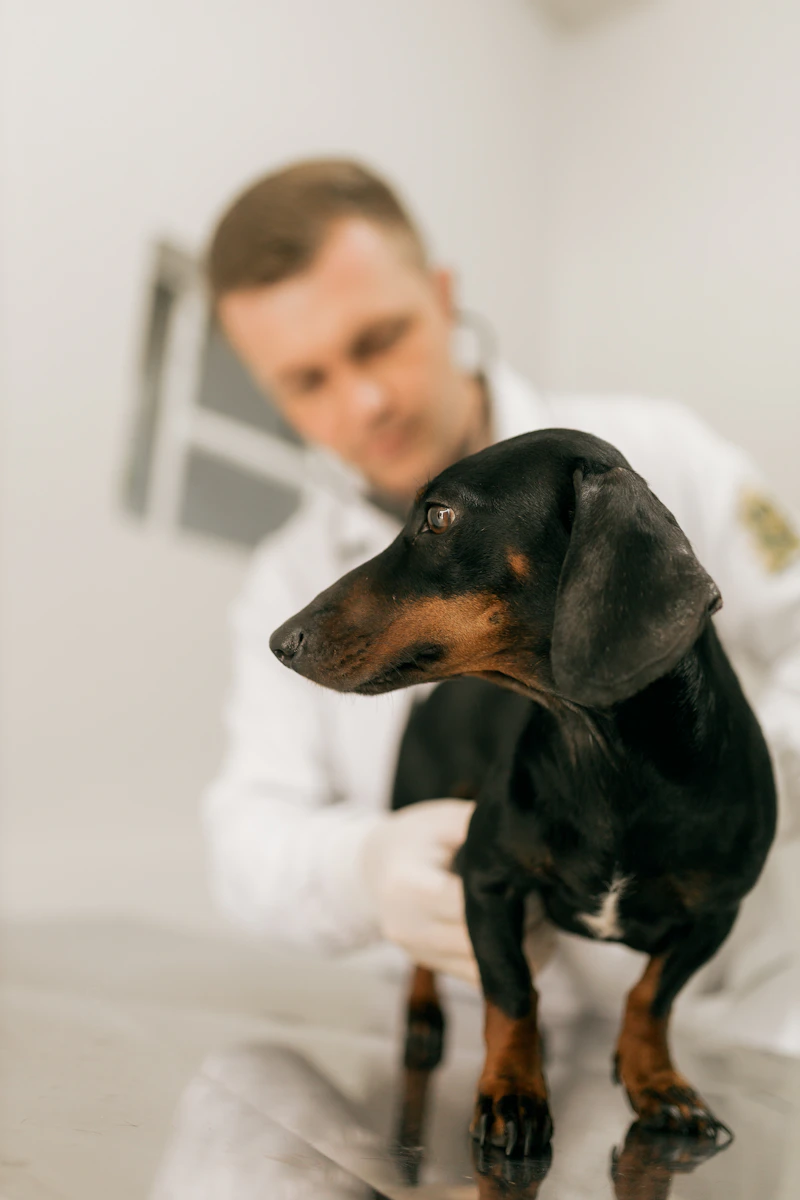
Healthy teeth aren’t just about fresh breath—they’re a key part of your dog’s overall wellbeing. Plaque can turn into tartar fast, leading to gum inflammation, tooth loss, and pain that’s easy to miss
Healthy teeth aren’t just about fresh breath—they’re a key part of your dog’s overall wellbeing. Plaque can turn into tartar fast, leading to gum inflammation, tooth loss, and pain that’s easy to miss. With consistent dog dental care at home and regular vet support, most dogs can keep strong teeth and healthier gums for life.
Why Dog Dental Health Matters
Plaque is a sticky film that hardens into tartar (calculus). Tartar irritates gums, traps bacteria, and can progress to periodontal disease.
- Gingivitis (often reversible early)
- Periodontal disease (gum recession, loose teeth, pain)
- Broken/worn teeth from chewing very hard items
- Eating changes (dropping food, chewing on one side)
Brushing Dog Teeth: The Gold Standard
If you do one thing, make it brushing dog teeth. It removes plaque at the gumline before it hardens—chews and rinses help, but don’t outperform a brush used consistently.
- Tools: soft dog toothbrush or finger brush, dog-safe toothpaste (never human), and treats
- Start small: lip lifts → toothpaste lick → finger rub along outer gumline → toothbrush
- Focus: gentle circles at the gumline; prioritise back teeth
- Timing: keep sessions short and calm; end before stress
How often? Daily is ideal. If not, aim for 3–5x/week—consistency beats perfection.
Beyond Brushing: Helpful, Safe Add-Ons
- Dental chews: right size, supervise, watch calories; avoid ultra-hard items (if you can’t indent it with a fingernail, it may be too hard)
- Dental toys: ridged designs can help; choose durable (not rock-hard), correct size, and replace if cracked/sharp
- Water additives/gels/rinses: useful for brush-resistant dogs; follow dosing and ask your vet if your dog has medical conditions
- Dental diets (commercial): only specific veterinary-supported formulas; ask your vet what fits your dog
When to Call Your Vet
- Persistent bad breath, red/swollen/bleeding gums, visible tartar
- Drooling, pawing at the mouth, difficulty eating, loose/missing teeth
- Swelling under the eye or along the jaw
Don’t scrape tartar at home with sharp tools—it can injure gums, damage enamel, and won’t address bacteria under the gumline.
Professional Cleanings + A Simple Weekly Routine
Many dogs eventually need a veterinary dental cleaning to remove tartar above/below the gumline and check for hidden issues (often with dental X-rays). Frequency depends on breed, age, and buildup—your vet will advise.
- Daily (best) or 3–5x/week: brush 1–2 minutes
- Most days: supervised dental chew or toy
- Weekly: quick mouth check (gums, breath, tartar)
- Regularly: wellness visits with oral assessment