Dog Exercise Needs: How Much Exercise Does Your Dog Need Each Day?
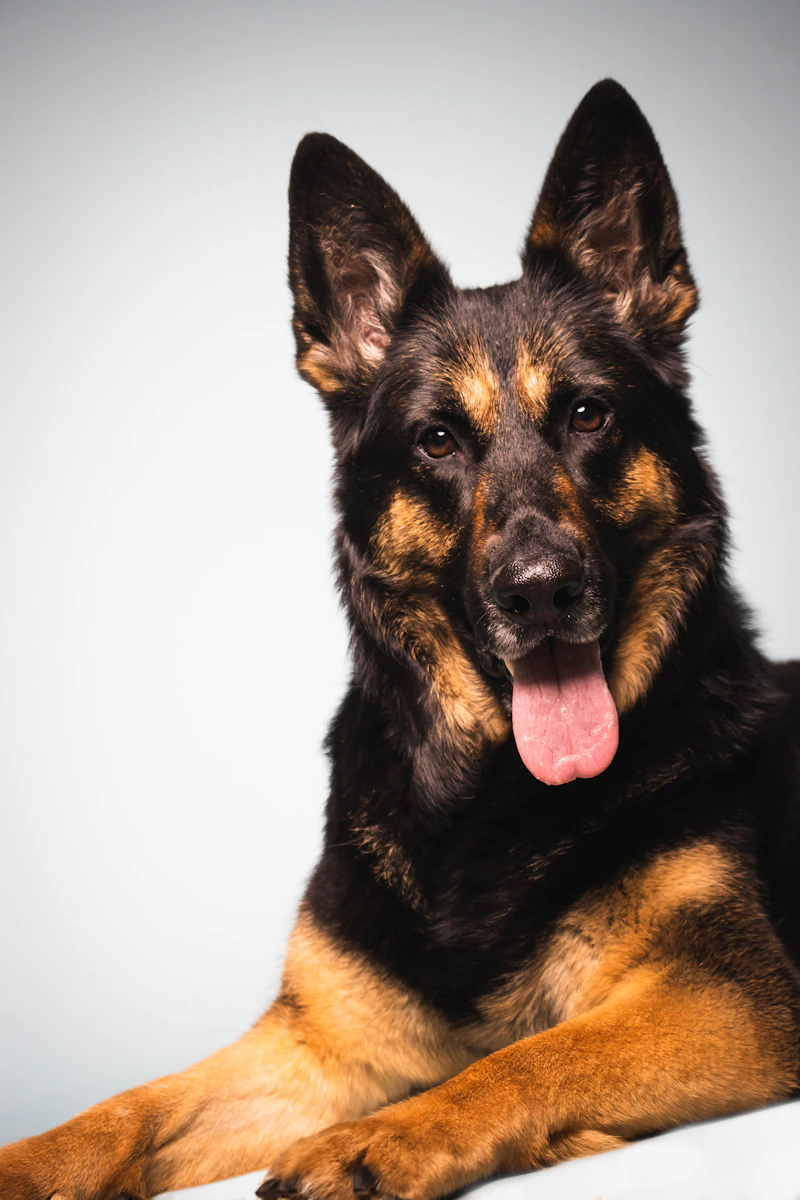
Dog exercise isn’t one-size-fits-all. Some dogs are happy with a couple of steady, sniffy walks; others need structured runs, training games, and problem-solving to feel settled. Getting the balance r
Dog exercise isn’t one-size-fits-all. Some dogs are happy with a couple of steady, sniffy walks; others need structured runs, training games, and problem-solving to feel settled. Getting the balance right improves behaviour, supports healthy weight, strengthens joints and muscles, and lowers stress—for both of you.
Why dog exercise matters (beyond burning energy)
- Weight management: Supports lean muscle and a healthy balance.
- Joint and muscle health: Strong muscles help protect joints.
- Digestive/urinary health: Movement + regular bathroom breaks support routine.
- Stress relief: Sniffing, exploring, and training are healthy outlets.
- Better manners: Met needs often = calmer, more responsive dogs.
Note: If your dog has arthritis, heart/breathing issues, or is recovering from injury, ask your vet before increasing activity.
General guidelines: how much exercise do most dogs need?
- Low-energy adults: ~30–60 minutes/day total activity.
- Moderate-energy adults: ~60–90 minutes/day, including bursts or training games.
- High-energy adults: ~90–120+ minutes/day plus significant mental enrichment.
Prioritize quality, not just minutes: a sniffy walk can beat a rushed march. Remember exercise (walking, jogging, fetch) and activity (sniffing, training, puzzles) both count.
What changes your dog’s exercise needs?
- Age: Puppies need short bursts + lots of rest (avoid forced running/jumping). Seniors still need daily movement—shorter, gentler, with good traction.
- Breed/temperament: Breed is a clue, but the individual dog matters most.
- Body structure: Short-nosed dogs overheat; giant breeds do best with joint-friendly, controlled work; long-backed dogs benefit from low-impact conditioning and less repetitive jumping.
- Health/fitness: Build gradually. If you see coughing, limping, lagging, or unusual fatigue, scale back and call your vet.
Make walks count (without adding lots of time)
- Add sniff time in safe areas and vary routes for new sights/smells.
- Micro-train (sit, hand target, loose leash, “find it”).
- Use intervals: 1–2 minutes brisk, 1–2 minutes easy.
Beyond walks: enrichment + purposeful exercise
- Low-impact: Scent games, puzzle feeders, 5-minute training, polite tug with start/stop cues.
- Higher-intensity (healthy dogs): Structured fetch in short sets, supervised swimming, hiking, sport foundations (nose work, rally, gentle agility).
- Indoor: Scatter feeding, hallway recalls, trick training, supervised cardboard “find it.”
Safety: too much vs. too little
- Needs more: Evening restlessness, destructive behaviour, excessive barking/attention-seeking.
- Overdoing it: Stiffness/limping, reluctance to walk, heavy panting/drooling, crankiness when touched.
Adjust the “dose,” add rest days, and talk to your vet if symptoms persist. In heat, go during cool hours, bring water, and avoid hot pavement; in cold, watch ice/salt, consider paw protection, and shorten sessions for small or short-coated dogs.
Helpful gear (and affiliate disclosure)
- Harness: Well-fitted and shoulder-friendly.
- Leash: Standard leash for control; long line for legal, safe sniff walks.
- Lights/reflective gear: For low-light walks.
- Enrichment toys: Puzzles/chews for indoor activity.
Affiliate disclosure: K9Corner.ca may earn a small commission from links at no extra cost to you; we only recommend products we believe can genuinely help.