Dog Harness vs. Collar: Which Is Safer?
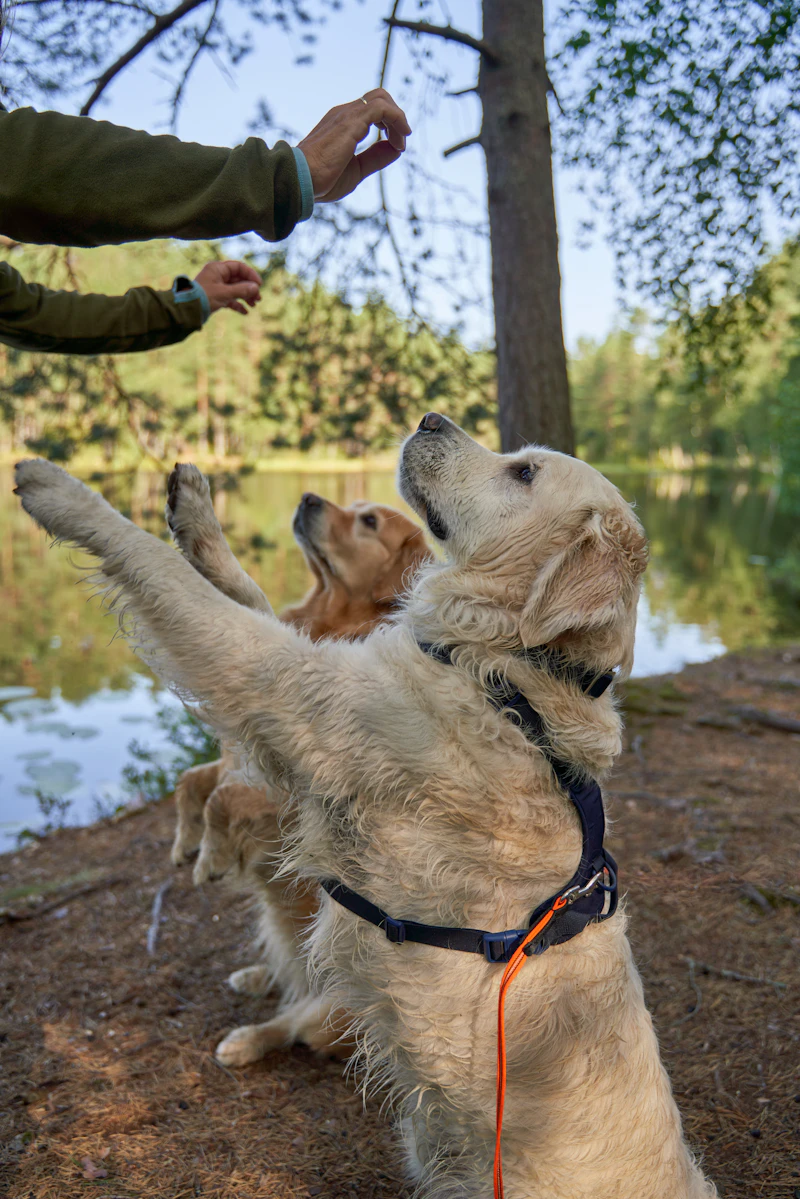
Choosing between a dog harness and a collar isn’t just about style—it’s about safety, control, and your dog’s comfort. In general, a well-fitted harness is safer for most dogs during walks because it
Dog Harness vs. Collar: Which Is Safer?
Choosing between a dog harness and a collar isn’t just about style—it’s about safety, control, and your dog’s comfort. In general, a well-fitted harness is safer for most dogs during walks because it reduces strain on the neck and can prevent escape. But collars still have a place, especially for ID and calm leash manners.
Harness: When It’s the Safer Choice
A harness distributes pressure across the chest and shoulders instead of the throat. That matters if your dog pulls, coughs, or has a delicate airway.
- Best for pullers and dogs in training (less choking and gagging).
- Safer for small breeds (Yorkies, Pomeranians) and flat-faced breeds (Pugs, Bulldogs) prone to airway issues.
- Great for seniors and dogs with collapsing trachea or neck/back concerns.
- Extra security in winter: In many Canadian cities, icy sidewalks can cause slips; a harness gives steadier control.
Action tip: Choose a Y-front or H-style harness that allows full shoulder movement. You should fit two fingers under straps, and the chest strap should sit above the armpits to prevent chafing.
Collar: When It’s Enough (and When It’s Not)
A collar can be safe for dogs that don’t pull and for quick potty breaks. It’s also the easiest place to keep ID.
- Use a flat collar (not a choke, prong, or slip) for everyday wear.
- Avoid collars for hard pullers—neck strain can contribute to coughing, eye pressure issues, and throat irritation.
- In Canada, ensure your dog’s tag info matches your municipality’s licensing requirements and consider a microchip for backup.
Action tip: If you walk on a collar, train a loose-leash cue and stop moving the moment the leash tightens.
Bottom Line
For most dogs, a properly fitted harness is the safer walking tool, while a collar works best for ID and low-pull situations. If you’re unsure, ask your vet or a certified trainer to check fit—small adjustments make a big safety difference.