Dog Harness vs. Collar: Which Is Safer?
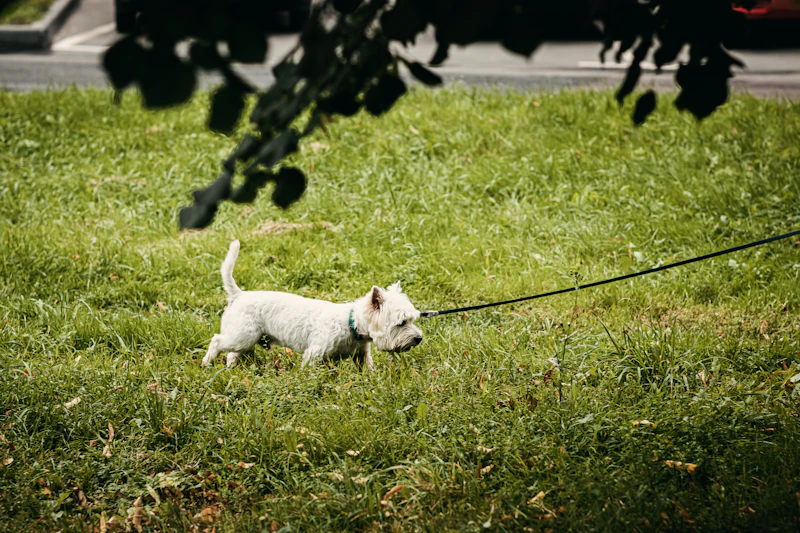
Choosing between a dog harness and a collar isn’t just about style—it’s about safety, comfort, and control. In most everyday situations, a well-fitted harness is the safer option, especially for pulle
Dog Harness vs. Collar: Which Is Safer?
Choosing between a dog harness and a collar isn’t just about style—it’s about safety, comfort, and control. In most everyday situations, a well-fitted harness is the safer option, especially for pullers and small breeds. But collars still have a place, particularly for ID and calm walkers.
Why Harnesses Are Often Safer
A harness distributes pressure across the chest and shoulders rather than the neck. This can reduce the risk of tracheal injury, coughing, gagging, and neck strain—common issues when dogs pull on a collar. Harnesses can also improve handling on icy Canadian sidewalks and busy urban paths.
- Best for: dogs that pull, puppies in training, brachycephalic breeds (e.g., Pugs, French Bulldogs), seniors, and dogs with respiratory issues.
- Look for: a Y-front design that allows full shoulder movement, adjustable straps, and sturdy hardware.
- Trainer tip: a front-clip harness can reduce pulling by redirecting your dog toward you (without yanking).
Fit check: you should fit two fingers under straps; the chest piece should sit low on the sternum, not across the throat.
When a Collar Can Be the Better Choice
Collars are simple, lightweight, and ideal for holding identification. For dogs who walk politely on leash, a collar can be perfectly safe. In Canada, where dogs must often be licensed, keeping tags on a collar is practical—even if you walk on a harness.
- Best for: calm leash walkers and quick potty breaks in safe areas.
- Avoid for walks if: your dog pulls, coughs on leash, or has a history of neck/back issues.
- Choose: a flat collar (not a choke chain); ensure you can slip two fingers underneath.
Bottom Line: The Safest Setup
For most dogs, the safest combo is a harness for walks plus a collar for ID. If you’re unsure, ask your vet or a certified trainer—especially if your dog is a strong puller or has breathing concerns.