Lifestyle
Dog-Proofing Your Home: Room by Room Guide
1 min readBy K9Corner.caUpdated: August 2, 2026
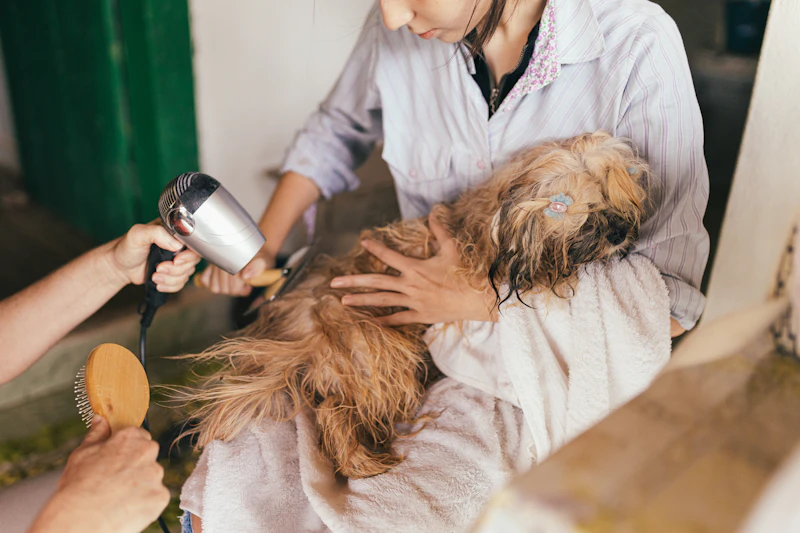
Dog-proofing your home prevents emergency vet trips, damaged furniture, and stressful “what did you eat?!” moments. Use this room-by-room checklist to create a safer space—especially important in Cana
Dog-proofing your home prevents emergency vet trips, damaged furniture, and stressful “what did you eat?!” moments. Use this room-by-room checklist to create a safer space—especially important in Canadian winters when dogs spend more time indoors.
Kitchen & Laundry: The Highest-Risk Zones
- Lock up toxins: Store cleaners, detergents (including pods), dishwasher tabs, and antifreeze (common in garages/laundry areas) in latched cabinets or high shelves.
- Secure the garbage: Use a heavy, lidded can or keep it behind a closed door. Chicken bones, coffee grounds, and wrappers are frequent hazards.
- Counter-surfing control: Keep food, meds, and vitamins pushed back; don’t leave bread bags or compost on counters.
- Block access: Install a baby gate to separate the kitchen during cooking and clean-up.
- Mind Canadian winter gear: Wipe up salt/ice melt residue and store boots where dogs can’t lick them. Choose pet-safe ice melt when possible.
Living Room, Bedrooms & Home Office: Chew-Proof and Choke-Proof
- Manage cords: Use cord covers, route cables behind furniture, and unplug chargers. Puppies especially target dangling wires.
- Pick up small items: Coins, hair ties, kids’ toys, and earbuds can cause choking or blockages.
- Plant check: Remove or elevate toxic houseplants (e.g., lilies, pothos). When in doubt, keep plants out of reach.
- Medication safety: Keep pill bottles and weekly organizers in closed drawers—dogs will chew plastic to get inside.
- Create a “yes” zone: Provide a crate or bed plus safe chew toys to redirect boredom and anxiety.
Bathroom, Garage & Entryway: Hidden Dangers
- Close the lid: Toilet water can contain cleaners; keep bathroom doors shut or use a lid lock.
- Store grooming items: Razors, floss, and cotton swabs belong in closed containers.
- Garage safety: Lock away paint, fertilizers, rodent bait, and tools; wipe up spills immediately.
- Entryway routine: Hang leashes up, stash gloves/hand warmers (can be toxic) in drawers, and keep delivery packaging picked up.
Finish with a quick “dog’s-eye view” crawl: what can be reached, chewed, or swallowed? A few smart barriers and storage upgrades make your home safer—and give you peace of mind year-round.