Flea and Tick Prevention: A Complete Guide
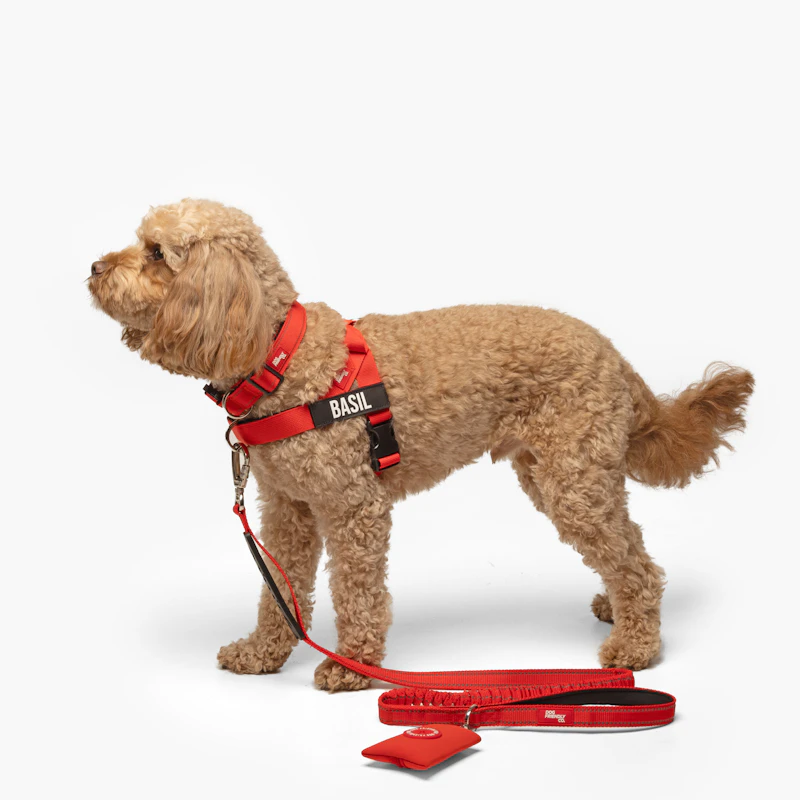
Fleas and ticks aren’t just annoying—they can spread disease and trigger severe itching, skin infections, and anemia. In Canada, tick activity peaks in spring and fall (and can persist through mild wi
Flea and Tick Prevention for Dogs: The Complete Canadian Guide
Fleas and ticks aren’t just annoying—they can spread disease and trigger severe itching, skin infections, and anemia. In Canada, tick activity peaks in spring and fall (and can persist through mild winters), while fleas thrive indoors year-round. The best plan is a simple routine: use proven preventives + reduce exposure + check your dog regularly.
Choose the Right Preventive (What Works)
For reliable flea and tick prevention, focus on veterinary-recommended products and consistent dosing. Ask your vet what fits your dog’s age, size, and health history.
- Oral chewables: Monthly (or longer) options that kill ticks/fleas after they bite. Great for dogs that swim or get frequent baths.
- Topical treatments: Applied to the skin monthly. Ensure correct placement and keep kids/pets from touching the area until dry.
- Tick collars: Long-lasting protection (often several months). Ideal for steady coverage, but ensure proper fit and check for skin irritation.
Canadian tip: Blacklegged ticks (deer ticks) are established in parts of Ontario, Quebec, Nova Scotia, New Brunswick, and Manitoba, with spread continuing. If you hike, camp, or visit cottage country, stay on prevention even outside peak months.
Prevent Bites: Home, Yard, and Daily Checks
- After every walk: Run hands over your dog, checking ears, neck, armpits, groin, toes, and under the collar.
- Use a tick tool: Remove ticks promptly by gripping close to the skin and pulling straight out. Clean the area and monitor.
- Yard maintenance: Keep grass short, clear leaf litter, and create a gravel/wood-chip barrier between lawn and forest edges.
- Indoor flea control: Vacuum carpets and furniture weekly, wash bedding hot, and treat all pets in the home to stop reinfestation.
Skip DIY essential oils—many are unsafe for pets and won’t reliably prevent parasites.
Conclusion: Make Prevention a Year-Round Habit
The winning strategy is consistency. Use an effective preventive, limit exposure, and check your dog often—especially in Canadian tick hotspots and during shoulder seasons. If your dog seems lethargic, develops a rash, or you find a tick attached, contact your veterinarian promptly.