Foods That Are Toxic to Dogs: A Comprehensive List
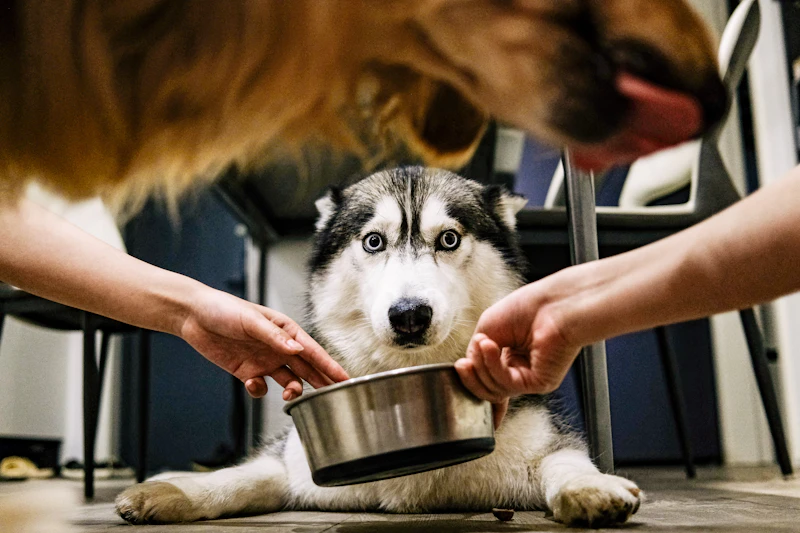
Dogs are expert snack “helpers,” but many everyday foods can cause poisoning, organ damage, or even death. If you’re in Canada, remember holiday treats (Halloween candy, Thanksgiving leftovers) and co
Foods That Are Toxic to Dogs: A Comprehensive List
Dogs are expert snack “helpers,” but many everyday foods can cause poisoning, organ damage, or even death. If you’re in Canada, remember holiday treats (Halloween candy, Thanksgiving leftovers) and common pantry staples can be just as risky as anything outdoors. Use this list to dog-proof your kitchen fast.
Top Toxic Foods for Dogs (Avoid Completely)
- Chocolate (especially dark/baking): causes vomiting, tremors, seizures.
- Grapes & raisins: can trigger sudden kidney failure—no safe amount.
- Onions, garlic, chives (raw, cooked, powdered): damages red blood cells; watch soups, sauces, chips, spice blends.
- Xylitol (birch sugar): found in sugar-free gum/candy, some peanut butters, baked goods; causes dangerous low blood sugar and liver injury.
- Alcohol (beer, wine, cocktails, dough): can cause coma and respiratory failure.
- Macadamia nuts: weakness, vomiting, tremors.
- Coffee/tea/energy drinks (caffeine): rapid heart rate, agitation, seizures.
- Cooked bones (especially poultry): splinter risk and intestinal blockage.
- Fatty foods (bacon, gravy, fried foods): can cause pancreatitis.
- Raw bread dough (yeast): expands in stomach; alcohol byproduct is toxic.
What to Do If Your Dog Eats Something Toxic
Act immediately: remove access, note what/when/how much, and call your veterinarian or an emergency clinic. In Canada, you can also contact ASPCA Animal Poison Control or the Pet Poison Helpline (fees may apply). Don’t induce vomiting unless a professional tells you to—some toxins can make things worse on the way back up.
Prevention tips: store food in sealed containers, keep purses (gum!) out of reach, use lidded compost bins, and teach a solid “leave it.” When sharing treats, stick to dog-safe options like plain cooked meat, carrots, or vet-approved treats.
Bottom line: Most food poisonings are preventable. Keep this list handy, and when in doubt, assume it’s unsafe and call a pro.