Grain-Free Dog Food: Benefits and Risks Explained
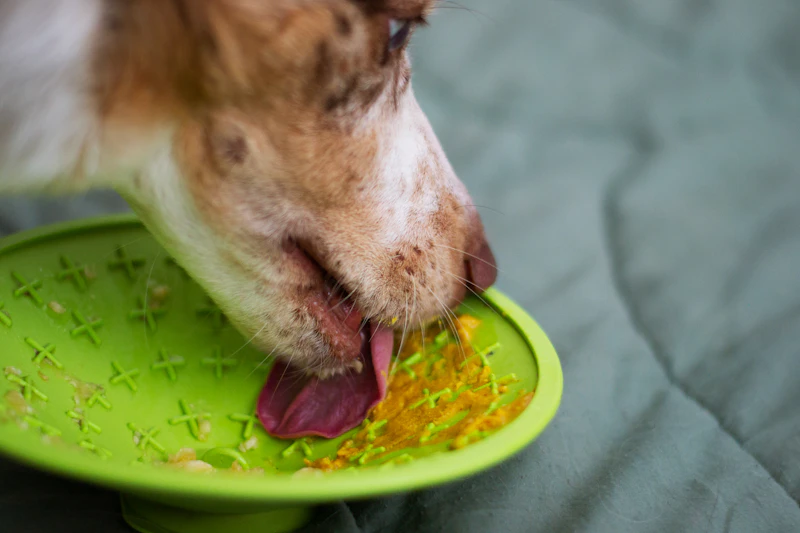
Grain-free dog food is everywhere in Canada—from boutique pet stores to big-box aisles—and it’s often marketed as a cleaner, allergy-friendly choice. But “grain-free” doesn’t automatically mean health
Grain-free dog food is everywhere in Canada—from boutique pet stores to big-box aisles—and it’s often marketed as a cleaner, allergy-friendly choice. But “grain-free” doesn’t automatically mean healthier. Here’s a clear look at the benefits and risks of grain-free dog food so you can choose what’s best for your dog.
Potential Benefits of Grain-Free Dog Food
Some dogs do better on grain-free diets, especially when grains trigger digestive upset. The biggest potential upsides include:
- Helpful for true grain sensitivities: A small number of dogs may react to certain grains (more commonly, dogs react to proteins like chicken or beef).
- Different carb sources: Grain-free foods often use peas, lentils, chickpeas, or potatoes, which may suit some dogs’ digestion.
- Useful for elimination diets: Under veterinary guidance, grain-free can help narrow down ingredients during allergy trials.
Actionable tip: If your dog has itchy skin, ear infections, or chronic GI issues, ask your vet about a structured food trial—don’t self-diagnose a “grain allergy.”
Key Risks and What the Evidence Says
The main concern is a possible association between some grain-free diets and dilated cardiomyopathy (DCM), a serious heart condition. Health authorities (including in North America) have investigated diets high in legumes/pulses and certain boutique or exotic-ingredient formulas. The link isn’t fully proven, but it’s enough to be cautious.
- Not all grain-free is equal: Risk may relate to formulation (e.g., heavy reliance on peas/lentils) rather than grains themselves.
- Marketing can outpace science: “Ancestral” or “wolf” claims aren’t nutrition guarantees.
Actionable tip: If you feed grain-free, choose a brand with strong quality control and veterinary nutrition expertise, and ask your vet whether your dog should have a heart check (especially large breeds or dogs with symptoms like coughing, fatigue, or fainting).
How to Choose the Right Food (Canada-Friendly Checklist)
- Look for a complete and balanced statement (AAFCO-style) and clear life-stage suitability.
- Prioritize brands with feeding trials or a qualified nutrition formulator.
- If switching foods, transition over 7–10 days to avoid GI upset.
Bottom line: grain-free dog food can be appropriate for some dogs, but it isn’t automatically superior. When in doubt, partner with your veterinarian to pick a diet that supports long-term health—not just trends.