Grain-Free Dog Food: Benefits and Risks Explained
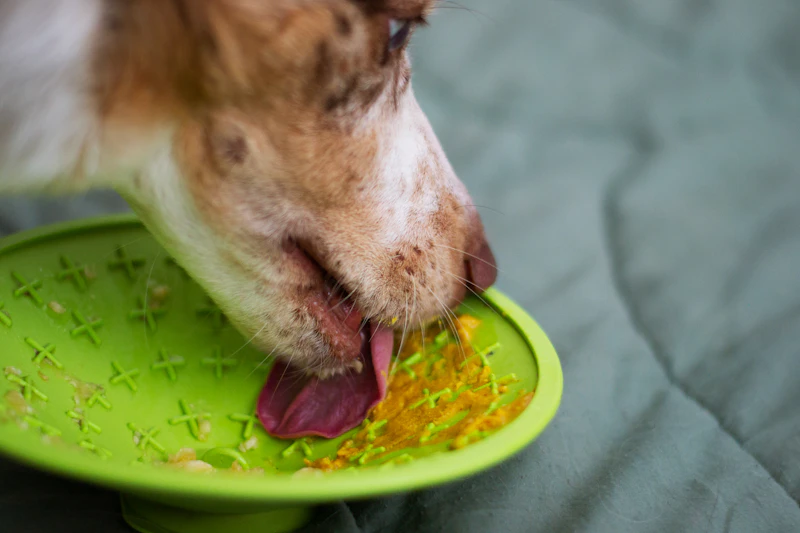
Grain-free dog food is everywhere in Canadian pet stores, but it’s not automatically “healthier.” For some dogs, it can be a helpful option; for others, it may add cost and potential risk without clea
Grain-free dog food is everywhere in Canadian pet stores, but it’s not automatically “healthier.” For some dogs, it can be a helpful option; for others, it may add cost and potential risk without clear benefits. Here’s what dog owners should know before switching.
Potential Benefits of Grain-Free Dog Food
Grain-free formulas replace grains (like wheat, corn, rice) with ingredients such as peas, lentils, potatoes, or sweet potatoes. The main advantages are situational:
- Helps dogs with true grain allergies (uncommon). If your vet has confirmed a food allergy, removing a specific grain may reduce itching, ear infections, or GI upset.
- May improve stool quality for some dogs when paired with the right protein and fiber balance.
- Useful in elimination diets when you’re narrowing down triggers under veterinary guidance.
Tip: Don’t self-diagnose an “allergy.” Many reactions are caused by proteins (chicken, beef, dairy) rather than grains.
Risks and the DCM Concern
The biggest reason to be cautious is the ongoing discussion around dilated cardiomyopathy (DCM) and certain grain-free or “boutique” diets, particularly those high in legumes. The U.S. FDA investigated reports, and while no single cause has been confirmed, many vets recommend avoiding diets heavy in peas/lentils unless medically necessary.
- Check the ingredient list: If peas, lentils, chickpeas, or pea protein dominate the first ingredients, ask your vet if it’s appropriate.
- Don’t assume “grain-free” equals low-carb; some grain-free foods are still very starch-heavy.
- Choose evidence-based brands: In Canada, look for companies with strong quality control, feeding trials, and veterinary nutrition expertise.
How to Choose (Canada-Friendly Tips)
- Talk to your veterinarian, especially for large breeds or dogs with heart history.
- Transition slowly over 7–10 days to prevent diarrhea.
- Monitor changes: energy, coat, stool, itching, and weight; recheck if symptoms persist.
Conclusion: Grain-free dog food can be beneficial for a small subset of dogs, but it’s not a universal upgrade. Pick diets based on your dog’s needs, not trends—and involve your vet when in doubt.