How Much Exercise Does Your Dog Need? A Practical Guide to Dog Exercise Needs
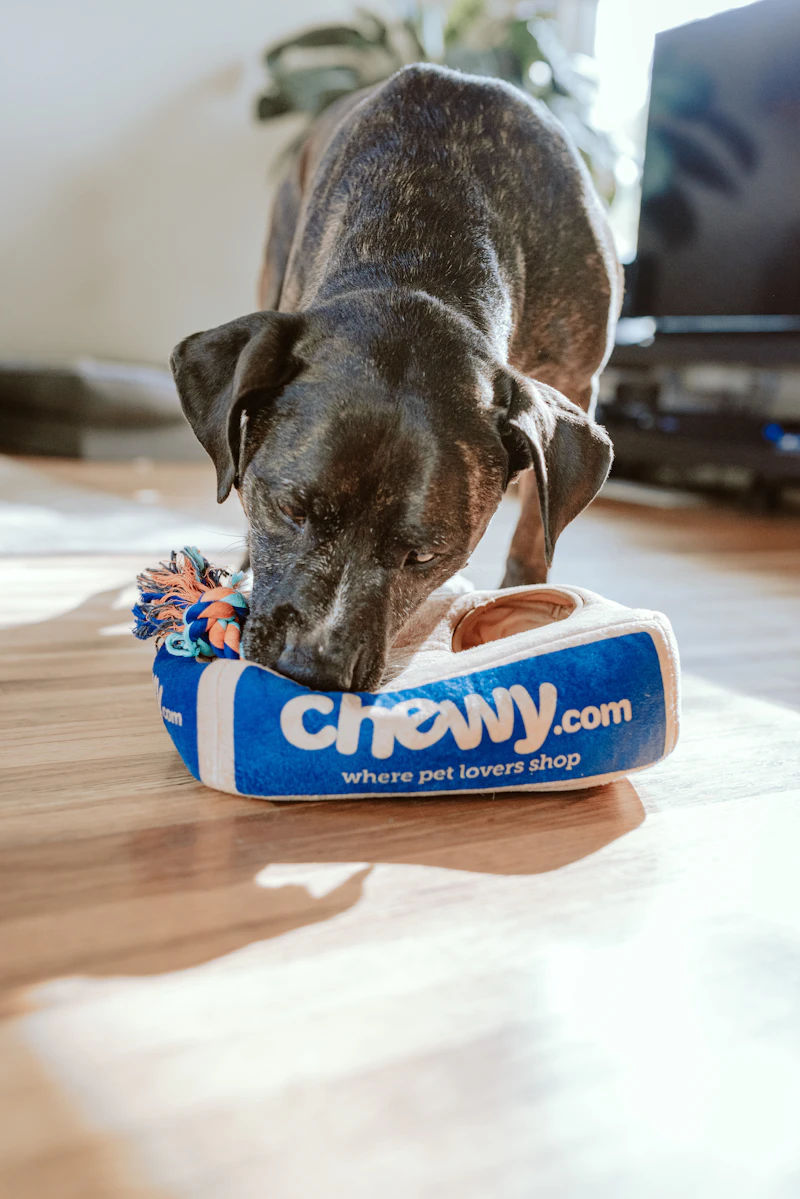
Dog exercise supports physical health, mental wellbeing, and behaviour—but the right amount isn’t one-size-fits-all. Your dog’s dog exercise needs depend on age, breed traits, size/structure, health,
Dog exercise supports physical health, mental wellbeing, and behaviour—but the right amount isn’t one-size-fits-all. Your dog’s dog exercise needs depend on age, breed traits, size/structure, health, environment, and personality. Some dogs love long hikes; others do best with shorter, steadier dog activity spread through the day—especially when walking your dog is the main routine.
Why Dog Exercise Matters (Beyond “Burning Energy”)
- Weight, joints, heart, and muscles: Regular movement supports fitness and mobility.
- Digestion: Routine walks often improve bathroom regularity.
- Mental enrichment: Sniffing and exploring can be as tiring as running.
- Behaviour: Under-exercised/under-enriched dogs may pace, bark, chew, or struggle to settle.
Best results usually come from a mix of structured movement (brisk walks) and enrichment (sniffing, training, puzzles).
What Determines Your Dog’s Exercise Needs?
- Age: Puppies need short bursts + rest (avoid forced high-impact); adults often handle longer daily routines; seniors still need daily movement but shorter, more frequent sessions and warm-ups.
- Breed traits + individuality: Herding/retrieving/working types often need more “jobs” and mental work; brachycephalic dogs may need moderate, climate-conscious plans.
- Body structure: Conditioning and joints matter more than size; choose low-impact options for stockier builds.
- Health: Arthritis, heart/respiratory disease, obesity, or post-op recovery change the plan—ask your vet if you see coughing, limping, pain, or slow recovery.
- Environment: Apartments can work with intentional walks, indoor enrichment, and support like walkers/daycare.
How Much Exercise Does Your Dog Need per Day? (Starting Points)
- Low–moderate: 30–60 minutes/day, split into 2–3 sessions.
- Moderate–high: 60–120 minutes/day plus mental enrichment.
- Very high drive: Often 2+ hours/day plus significant training/scent work.
Key point: Quality beats minutes—a “sniffari” can be more satisfying than a longer repetitive loop.
Signs You Need to Adjust
- Needs more: restlessness, attention-seeking, destructive chewing, evening zoomies, increased leash reactivity.
- Doing too much: next-day stiffness, limping, reluctance to walk, prolonged heavy panting, irritability, long recovery.
Increase activity gradually (think weeks, not days).
Make Walks Count (and Add Easy Home Activity)
- Walk types: sniff walk, fitness walk, training walk, adventure/new route.
- Mini-work: gentle hills, 30–60 seconds of cues, decompression sniff breaks.
- Safety: avoid heat/humidity, protect paws from hot pavement/ice melt, use well-fitted gear.
- At home: short tug, modified fetch, “find-it” games, simple obstacle courses; plus 2–5 minute training sessions, puzzle/slow feeders, and vet-approved chews.
Build a Routine You Can Stick To
- Daily: 2–3 walks + a few minutes of training/puzzle.
- 2–4x/week: longer adventure walk, play session, or beginner scent work.
- Recovery days: lower-impact movement and enrichment.
Warm up, progress slowly, and check with your vet for persistent limping, coughing, vomiting after exertion, reluctance to exercise, or major energy changes.