How to Choose the Right Dog Food for Puppies
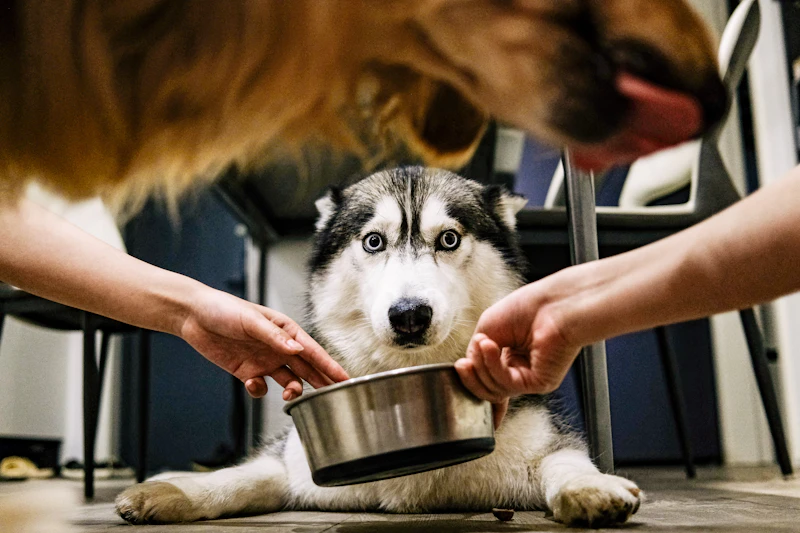
Puppies grow fast, and the right food helps build strong bones, a healthy brain, and a resilient immune system. Start by choosing a diet labeled “complete and balanced for growth” (or “all life stages
Choosing the Right Puppy Food: What Matters Most
Puppies grow fast, and the right food helps build strong bones, a healthy brain, and a resilient immune system. Start by choosing a diet labeled “complete and balanced for growth” (or “all life stages”) and match it to your puppy’s expected adult size. In Canada, look for foods that meet AAFCO nutrient profiles (often stated on the label) or provide a full nutrient adequacy statement.
How to Read the Label (and Avoid Common Mistakes)
Ignore marketing buzzwords and focus on what’s proven. A quality puppy food should clearly list:
- Life stage: “Puppy/Growth” for most pups; large-breed puppy formulas for pups expected to be >25 kg adult weight.
- Protein and fat: Puppies generally need more calories than adults. Choose a formula with balanced protein and higher fat for energy—without overfeeding.
- Calcium/phosphorus balance: Critical for bone development, especially in large breeds. Don’t add calcium supplements unless your vet directs it.
- Ingredient clarity: Named proteins (e.g., chicken, salmon) and identifiable fats (e.g., chicken fat, fish oil). Fish oil can support DHA for brain/vision.
Common mistake: Feeding adult food “because it’s cheaper.” Puppies can miss key nutrients, and large-breed pups are especially vulnerable to growth-related joint issues if fed an inappropriate formula.
Practical Feeding Tips for Canadian Puppy Owners
- Choose a reputable brand with good quality control and a reachable customer service line in Canada.
- Transition slowly over 7–10 days to prevent diarrhea (mix old to new, increasing new food daily).
- Measure meals with a standard cup or kitchen scale; adjust every 1–2 weeks based on body condition (you should feel ribs, not see them).
- Use treats wisely: Keep treats under 10% of daily calories; use part of their kibble for training.
- Ask your vet if your puppy has allergies, frequent GI upset, or rapid growth concerns.
Conclusion: The best puppy food is one that’s growth-appropriate, well-formulated, and fed in the right amounts. Pair smart label reading with consistent measuring, and you’ll set your puppy up for a healthy start.