How to Crate Train a Puppy: A Step-by-Step Guide to Puppy Crate Training
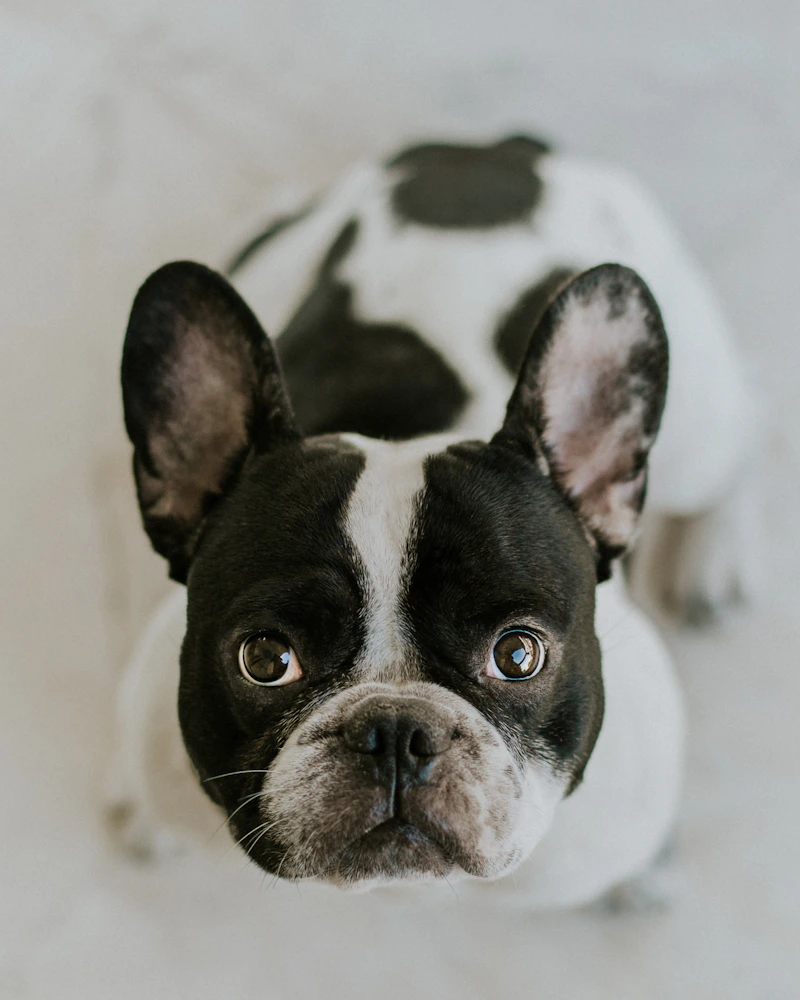
Crate training is one of the most useful skills you can teach a puppy. Done properly, the crate becomes a safe, comfortable “den” that supports house training, prevents destructive chewing, and helps
Crate training is one of the most useful skills you can teach a puppy. Done properly, the crate becomes a safe, comfortable “den” that supports house training, prevents destructive chewing, and helps your puppy learn to settle. The key: make the crate positive—never a punishment—and follow a plan that fits your puppy’s age.
Affiliate disclosure: K9Corner.ca may earn a small commission from purchases through our links, at no extra cost to you. We only recommend items we believe can help.
Why crate training works (and what it’s for)
Puppies naturally avoid soiling where they sleep, so a properly sized crate can support potty training. It also improves safety (cords, cleaners, choking hazards), builds a rest routine, and makes travel/vet visits easier. Crates aren’t for long-hour confinement—pair crate time with exercise, training, social time, and frequent bathroom breaks.
Choosing the right crate and setting it up
- Type: Wire (ventilated, often includes a divider), plastic (more den-like), soft-sided (only for calm, non-chewing pups).
- Size: Your puppy should stand, turn, and lie down comfortably. Too big = a potty corner. Use a divider if buying for adult size.
- Setup: Daytime: quiet-but-social spot. Night: near your bed at first to reduce crying and simplify potty trips. Add safe bedding only if your puppy won’t shred/eat it; offer chews/enrichment with supervision.
Step-by-step crate training (gentle and effective)
- 1) Zero-pressure intro: Door open; toss treats in and feed meals near/inside. Never push or pull your puppy in.
- 2) Add a cue: Say “Crate,” toss a treat in, reward inside, then release after a second (1–3 minute sessions) so it doesn’t feel like a trap.
- 3) Close the door briefly: Start 5–10 seconds while they chew/eat; open before fussing. If whining starts, wait for a brief pause before opening.
- 4) Add distance: Step away, return, drop a treat; progress to short room exits.
- 5) Build duration with naps: Use the crate for planned naps to prevent overtired “wild” behaviour. Potty before crating and immediately after.
A realistic schedule + troubleshooting
Potty needs spike after waking, after meals/drinks, and after play. A rough daytime max is age in months + 1 hours (many need more breaks). If you’ll be gone too long, arrange a walker/sitter or use a puppy-proofed pen/safe room.
- Crying: Go back a step; close only while eating; increase time in seconds.
- Accidents: Recheck size, add breaks, clean with enzymatic cleaner, and see your vet if frequent.
- Needs you close: Start nearby, increase distance gradually, reward calm, keep sessions short.
- Biting/escaping: Add exercise/enrichment, reduce duration, adjust location; get a qualified trainer if intense.
Avoid prolonged “cry it out.” Aim for gradual wins that teach: Crate = good things and I can relax.