How to Crate Train Your Puppy in 7 Days
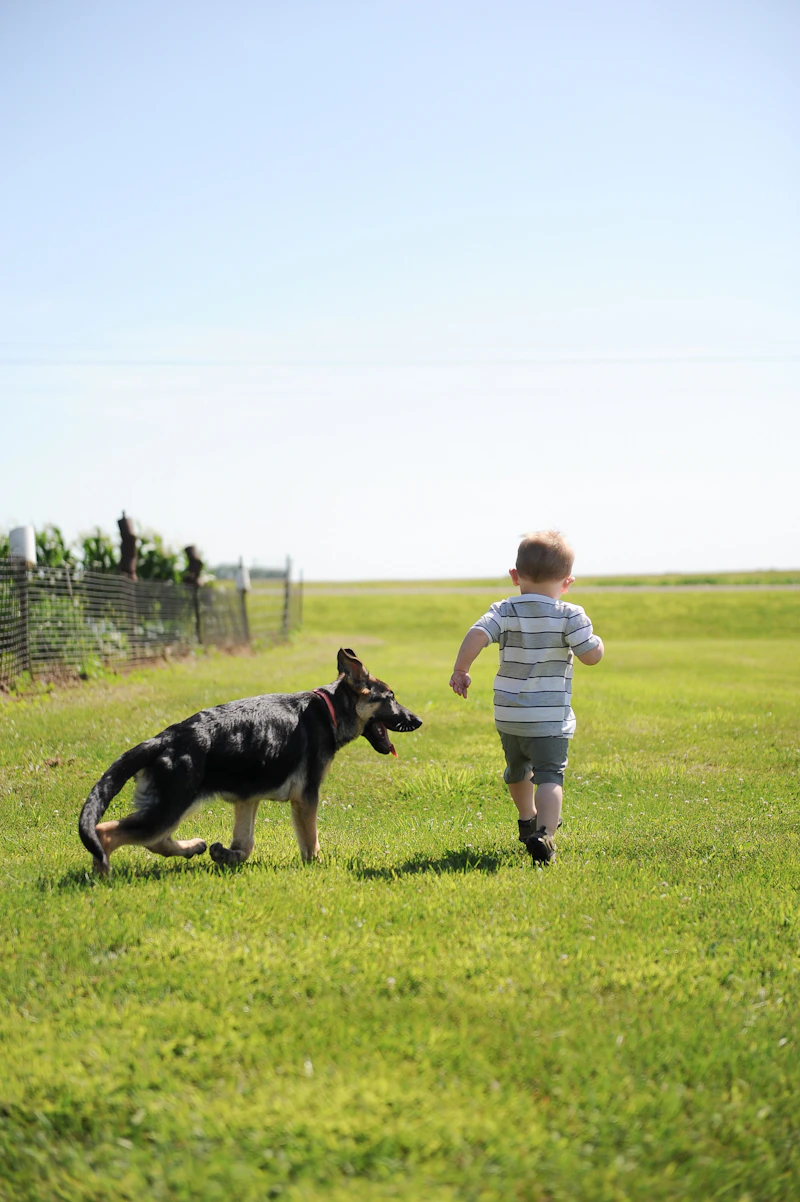
Crate training helps your puppy learn house training, settle calmly, and stay safe when you can’t supervise. Done right, the crate becomes a cozy den—not a punishment. This 7-day plan uses short sessi
How to Crate Train Your Puppy in 7 Days (Fast, Kind, and Effective)
Crate training helps your puppy learn house training, settle calmly, and stay safe when you can’t supervise. Done right, the crate becomes a cozy den—not a punishment. This 7-day plan uses short sessions, rewards, and consistency (perfect for busy Canadian households juggling work, kids, and winter weather).
Before You Start: Set Up for Success
Choose a crate your puppy can stand, turn, and lie down in. Add a washable mat, a safe chew, and place the crate in a main living area. In Canada, plan for muddy paws and wet coats—keep a towel nearby and use easy-clean bedding.
- Rule: Crate = good things (meals, treats, calm praise).
- Never: Use the crate for punishment or long time-outs.
- Schedule: Potty break after waking, eating, playing, and every 1–2 hours at first.
Your 7-Day Crate Training Plan
- Day 1: Door open. Toss treats inside. Let your puppy explore. Feed one meal near the crate.
- Day 2: Feed meals inside the crate. Add a cue like “Crate.” Close the door for 10–20 seconds while they eat.
- Day 3: Increase closed-door time to 1–3 minutes after meals. Reward quiet. One short daytime “rest” (2–5 minutes).
- Day 4: Two rest sessions (5–10 minutes). Step out of sight briefly, then return before whining escalates.
- Day 5: Add a stuffed Kong or lick mat for 10–20 minutes. Practice a quick “in crate” while you shower or make coffee.
- Day 6: One longer nap (30–60 minutes). Keep departures boring and returns calm to prevent separation anxiety.
- Day 7: First “real-life” test: crate time during an errand (start 20–40 minutes). Build gradually.
Troubleshooting: If your puppy cries, wait for a brief pause to reward quiet—don’t release during active whining. If accidents happen, reduce freedom, increase potty breaks, and clean with an enzymatic cleaner.
Conclusion
In a week, most puppies learn the crate is a safe, predictable place. Stay consistent, keep sessions short, and prioritize potty timing—your puppy’s calm crate habits will pay off for years.