How to Crate Train Your Puppy in 7 Days
Crate training helps your puppy learn house-training, prevents chewing, and creates a safe “den” for naps—especially useful during Canadian winters when outdoor breaks are brief. The key is making the
How to Crate Train Your Puppy in 7 Days (Canadian-Friendly Guide)
Crate training helps your puppy learn house-training, prevents chewing, and creates a safe “den” for naps—especially useful during Canadian winters when outdoor breaks are brief. The key is making the crate a positive place, never a punishment. Choose a crate just big enough for your pup to stand, turn, and lie down, and place it in a busy area of your home.
7-Day Crate Training Plan
- Day 1: Introduce the crate. Keep the door open. Toss treats inside and praise. Feed one meal near the crate.
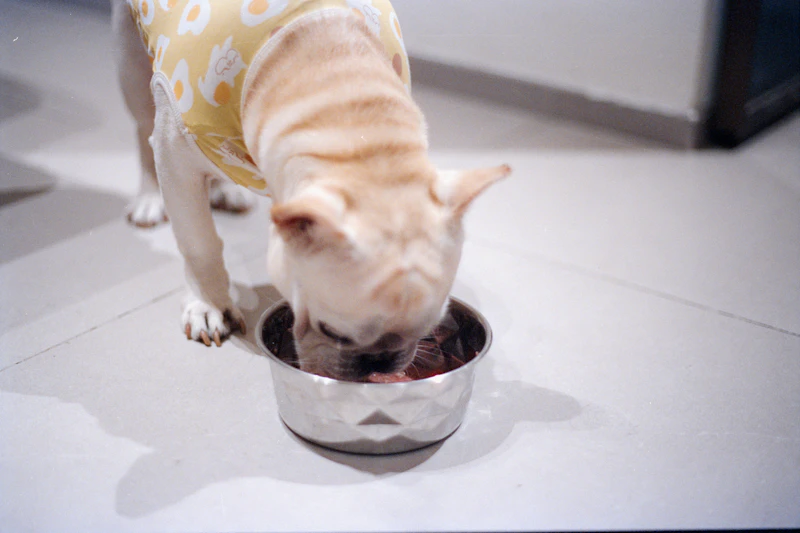
- Day 2: Meals in the crate. Place the bowl inside. Close the door for 10–30 seconds while they eat, then open calmly.
- Day 3: Short “in-crate” sessions. Lure in with a treat, say “Crate,” close the door for 1–2 minutes, then release before whining starts.
- Day 4: Add a chew. Give a stuffed Kong or safe chew. Stay nearby for 5–10 minutes of quiet time.
- Day 5: Practice leaving the room. Crate for 10–15 minutes while you step out briefly. Return quietly; avoid excited greetings.
- Day 6: Build duration. Aim for 20–40 minutes after a potty break and play. Keep sessions varied and positive.
- Day 7: Night routine. Last potty break before bed (quick trip if it’s cold). Crate in your bedroom for the first week to reduce stress and accidents.
Pro Tips for Faster Results
- Potty schedule: Take your puppy out after waking, eating, playing, and every 1–2 hours. In winter, keep breaks short but frequent.
- Comfort + safety: Use a flat mat; skip bulky bedding for chewers. Cover part of the crate to reduce stimulation.
- Whining rule: If you’re sure they’ve pottied, wait for a brief pause in whining before opening the door.
Conclusion: With consistent, calm practice, most puppies accept a crate within a week. Keep sessions short, pair the crate with rewards, and stick to a predictable routine for a confident, crate-trained pup.