How to Keep Your Dog's Joints Healthy
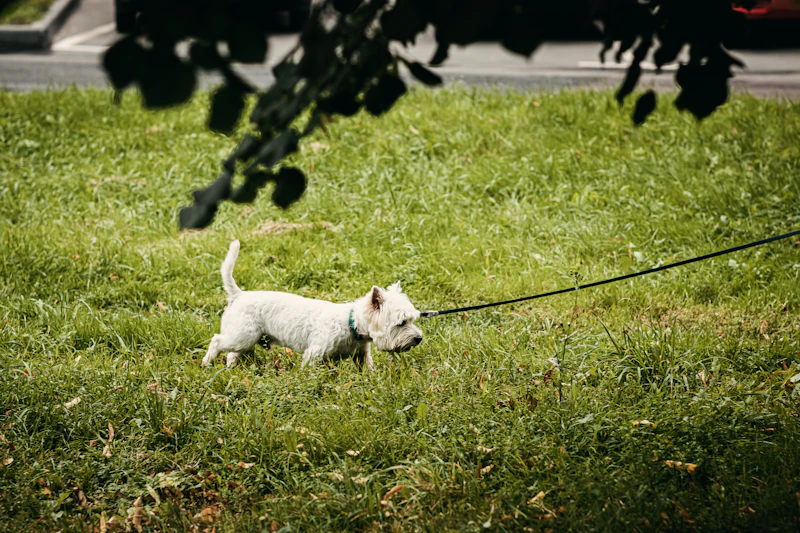
Healthy joints help your dog stay active, comfortable, and mobile—from puppyhood to the senior years. While genetics and age play a role, daily habits matter most. Use these practical, vet-informed st
How to Keep Your Dog’s Joints Healthy
Healthy joints help your dog stay active, comfortable, and mobile—from puppyhood to the senior years. While genetics and age play a role, daily habits matter most. Use these practical, vet-informed steps to support joint health in Canada’s changing seasons.
Daily Habits That Protect Joints
Keep your dog lean. Extra weight is one of the biggest stressors on hips, knees, and elbows. Aim for a visible waist and easily felt ribs under a thin layer of fat. If you’re unsure, ask your vet for a body condition score at your next visit.
- Exercise consistently (not sporadically). Choose steady, low-impact movement like brisk walks, swimming, or controlled hikes.
- Warm up and cool down. A 5-minute easy walk before and after play reduces strain—especially for weekend warriors.
- Strengthen supporting muscles. Short hill walks, sit-to-stand reps, and slow leash walks build stability (keep sessions brief and pain-free).
- Upgrade traction at home. Add runners or mats on slippery floors to prevent falls, a common cause of soft-tissue injuries.
Nutrition, Supplements, and Canadian Weather Tips
Feed a complete, life-stage diet and measure portions. For large-breed puppies, choose a large-breed growth formula to reduce the risk of developmental joint issues.
- Consider evidence-backed supplements. Many Canadian vets recommend glucosamine/chondroitin, omega-3s (EPA/DHA), or green-lipped mussel. Use products with clear dosing and talk to your vet—especially if your dog is on other meds.
- Book regular checkups. Early arthritis signs include stiffness after rest, slower stairs, limping, or less interest in play. Prompt care helps.
- Plan for winter. Cold can worsen stiffness; keep walks shorter but more frequent, use a coat for short-haired dogs, and consider paw protection on salted sidewalks.
Conclusion
Joint health is built through lean weight, smart exercise, safe footing, and targeted nutrition. Start small, stay consistent, and partner with your veterinarian—your dog’s future mobility depends on what you do today.