How to Leash Train a Dog: Practical Leash Training for Loose Leash Walking
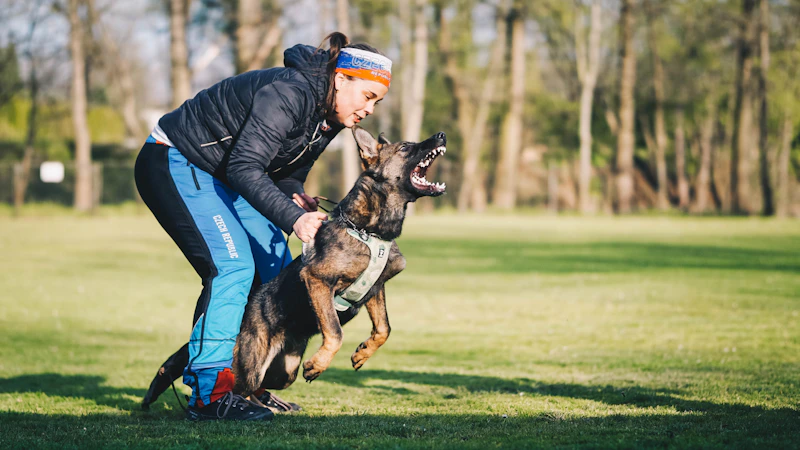
Leash training is one of the most valuable skills you can teach your dog. It turns walks from a tug-of-war into enjoyable bonding time, improves safety around traffic and distractions, and helps you f
Leash training is one of the most valuable skills you can teach your dog. It turns walks from a tug-of-war into enjoyable bonding time, improves safety around traffic and distractions, and helps you feel confident in public. Pulling is common because it’s self-rewarding—dogs naturally move toward what they want.
With the right setup and consistent practice, most dogs can learn loose leash walking: walking near you on a relaxed leash with regular check-ins. Here’s a practical, force-free plan.
What Leash Training Really Means (and Why Dogs Pull)
The goal isn’t a perfect heel—it’s a dog who stays close enough to navigate safely without dragging you.
- Pulling works: it gets them to smells, dogs, and fun.
- Pace mismatch: many dogs walk faster and want to sniff.
- Excitement: busy environments spike arousal.
- Not enough practice: the “real world” is too hard too soon.
Choose the Right Gear for Safer, Easier Walking Training
- Harness: a well-fitted Y-front or H-style; a front-clip can help strong pullers while you train.
- Standard leash: 1.8–2 m (6 ft).
- Treat pouch + high-value treats: reward fast and often.
- Optional long line: 5–10 m for safe sniffy walks.
Avoid retractable leashes and pain/fear-based tools. Prioritize fit: no rubbing, restricted shoulders, or sliding into armpits.
Foundation Skills: Teach It Easy First
Start indoors/quiet areas.
- Reward proximity: when your dog turns toward you or steps near your side, mark (“Yes!”/click) and treat. Build from 1 step to 3–5 steps between rewards.
- Add a cue: say “Let’s go,” then move; reward slack leash.
- Reinforce check-ins: any glance back gets marked and rewarded (sniffing is still welcome).
How to Stop Dog Pulling on Leash
- Stop like a tree: leash tight = stop. Leash loosens = mark, reward, “Let’s go.”
- Turn and go: if stopping creates a standoff, cue “This way,” turn 180°, reward when they catch up slack.
- Pay the “good zone”: reward frequently near your leg; use life rewards (sniffing, greeting) for loose leash walking.
Real-World Walking Training + Troubleshooting
Progress using the 3 Ds: Distance (start far), Duration (5–10 minutes), Distraction (increase slowly). Try training minutes plus decompression sniffing on a longer line. Ask for 2–3 seconds of loose leash, then release: “Go sniff!”
- Doorway pulling: calm start + brief indoor cues; restart immediately if they surge.
- Other dogs = chaos: add distance until treats work; reward calm; get a qualified trainer for lunging/barking/panic.
- Freezing: check discomfort/fear; encourage with a tossed treat; keep sessions short.
- Leash biting: redirect to toy/treats; stay calm—don’t make it tug.
- No progress: easier routes, better treats, more reps, consistent rules from all handlers.