How to Potty Train a Puppy: Practical Potty Training & House Training Tips That Work
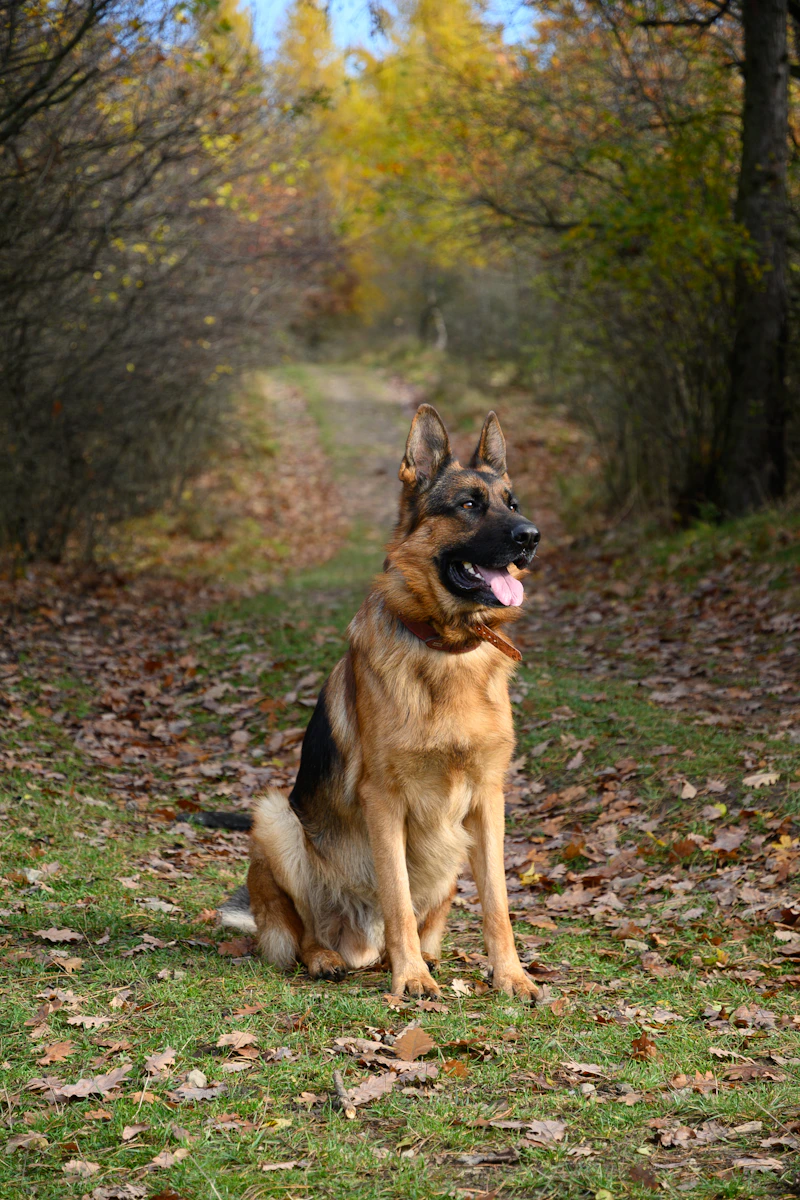
Potty training a puppy (also called house training or housebreaking) is one of the first and most important skills you’ll teach. The goal is simple: help your puppy learn where to go and build a routi
Potty training a puppy (also called house training or housebreaking) is one of the first and most important skills you’ll teach. The goal is simple: help your puppy learn where to go and build a routine they can rely on. You’ll get faster results with consistent management, frequent bathroom breaks, and positive reinforcement.
Affiliate disclosure: K9Corner.ca may earn a commission if you purchase through links to recommended potty training supplies.
How potty training works (and what to expect)
House training is habit-building through repetition. Puppies don’t generalize well, so being “clean” in one area doesn’t automatically transfer to the whole house.
- 1–2 weeks: prevent accidents with supervision, a tight routine, and lots of trips out.
- Weeks 3–8: clearer signals; many start preferring outdoors.
- Several months: reliability improves as bladder/bowel control matures.
Rule of thumb: daytime bladder capacity is roughly age in months + 1 hour (often less with excitement, stress, or big drinks).
Set up your home for success
Most potty training problems come from too much freedom too soon. Pick one outdoor potty spot and stick with it—scent helps cue “bathroom.” If your puppy is loose, someone watches. If you can’t supervise, use a crate/pen/puppy-proofed room (management, not punishment).
- Crate (right size: stand/turn/lie down; too big invites soiling)
- Baby gates/pen to limit access
- Enzymatic cleaner to remove odor cues
- Leash for quick, boring potty trips
- High-value treats reserved for potty success
A simple schedule that works
- After waking (including naps)
- 10–20 minutes after meals
- After big drinks
- After play/excitement or training
- Before and right after crating/being left alone
- Before bed
Very young puppies may need breaks every 30–60 minutes when awake. Increase time only after a streak of accident-free days.
Step-by-step (positive reinforcement)
- Go out on leash to the same spot; no play until after they potty.
- Wait quietly a few minutes.
- Reward immediately after they finish (praise + treat).
- Earn freedom: potty first, then supervised indoor time. If they don’t go, try again in 10–15 minutes.
- Cue (optional): once reliable, say “Go potty” as they start.
Crate training, accidents, and troubleshooting
A crate can speed training because many puppies avoid soiling their sleeping area. Make it comfy, build positive associations, never use it as punishment, and take your puppy out immediately after release. If you’ll be gone too long, arrange a walker/sitter or safe confinement with vet/trainer guidance.
If you catch an accident: calmly interrupt (“Oops”), go straight outside, and reward if they finish there. If you find it later: don’t punish—clean with enzymatic cleaner and tighten supervision/break frequency.
- Still peeing inside: stay out longer, reduce distractions, reward more.
- Accidents in certain rooms: block access, potty before entering, deep-clean anyway.
- Hates rain/cold/night: keep trips short and routine, add cover/light, reward generously.
Expect regressions during travel, illness, growth spurts, or schedule changes—go back to basics for a week. Call your vet for frequent urination, pain/straining, blood, or regression plus vomiting/diarrhea/lethargy.