How to Train Your Dog to Walk Off-Leash Safely
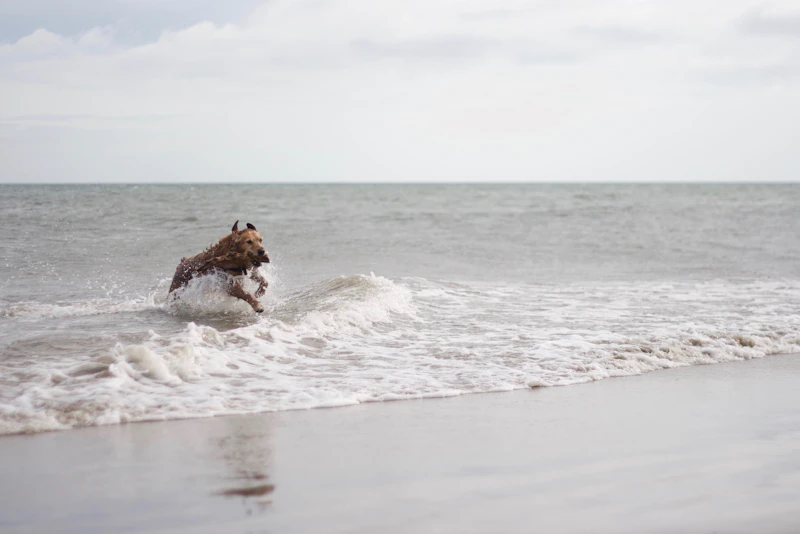
Off-leash walks can be a joy—but only when they’re safe, legal, and truly under control. In Canada, leash rules vary by city and province, and wildlife, bikes, and busy multi-use trails add real risk.
Off-leash walks can be a joy—but only when they’re safe, legal, and truly under control. In Canada, leash rules vary by city and province, and wildlife, bikes, and busy multi-use trails add real risk. Here’s how to train a reliable off-leash dog step by step.
1) Build rock-solid foundations (before you unclip)
Your dog needs dependable skills on leash first. Aim for calm focus, quick responses, and low reactivity around distractions. Use high-value rewards (treats, tug, praise) and short sessions.
- Master “Come” (recall): Start indoors, then fenced yards, then quiet outdoor spaces. Reward heavily every time.
- Add “Check-in”: Mark and reward when your dog looks back at you voluntarily. This becomes your “invisible leash.”
- Teach “Leave it” and “Drop it”: Essential for Canada’s common hazards—geese droppings, bones, and wildlife.
- Practice “Heel/Let’s go”: For passing runners, strollers, or other dogs on paths.
2) Transition safely with long lines and real-world proofing
Use a 10–15 m long line (not a retractable leash) to simulate freedom while keeping control. Gradually increase distractions, distance, and duration.
- Reward fast recalls: Call once, then move backward, clap, or run a few steps. Pay big for speed.
- Never punish recalls: If “come” ends fun, your dog will stop coming. Recall, reward, then release to play again.
- Train an emergency cue: A special word (“Now!”) or whistle used only for jackpots.
- Proof around triggers: Squirrels, cyclists, other dogs—start far away and close the gap slowly.
3) Choose the right places (and know when off-leash isn’t safe)
In many Canadian municipalities, off-leash is only allowed in designated dog parks or specific areas. Avoid unfenced spaces near roads, schools, or wildlife corridors.
- Go off-leash only when your dog is 95% reliable on a long line.
- Use ID and a GPS tracker for hikes and cottage country.
- Skip off-leash if your dog is reactive, intact, or fearful—work with a certified trainer first.
With consistent training, smart locations, and respect for local bylaws, you can enjoy off-leash walks that are safe, courteous, and genuinely under control.