How to Train Your Dog to Walk Off-Leash Safely
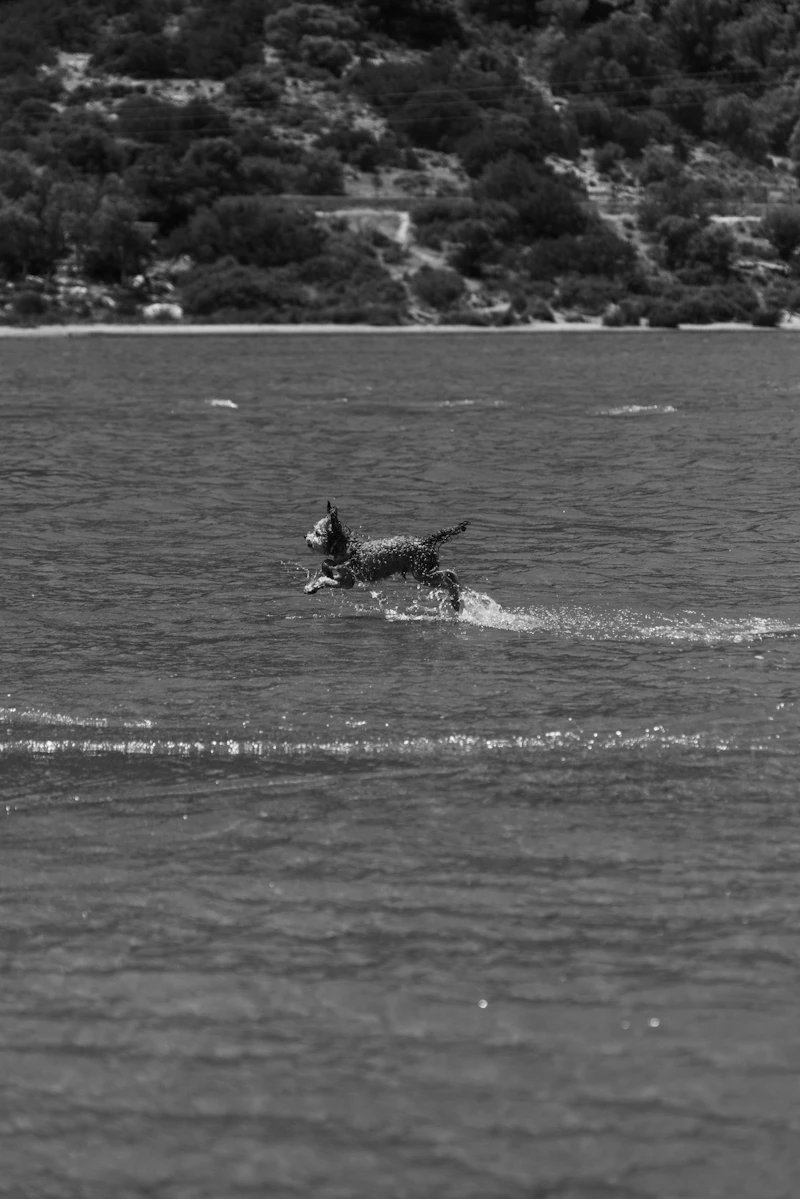
Off-leash walking can be a game-changer for exercise and enrichment—but it’s only safe when your dog has reliable skills and you’re following local rules. In Canada, leash laws vary by city and many p
How to Train Your Dog to Walk Off-Leash Safely
Off-leash walking can be a game-changer for exercise and enrichment—but it’s only safe when your dog has reliable skills and you’re following local rules. In Canada, leash laws vary by city and many parks require leashes except in designated off-leash areas. Your goal is simple: your dog stays close, responds instantly, and can be leashed at any time.
Build Rock-Solid Recall (Before You Unclip)
Start on a 6-foot leash, then move to a 10–15 m long line. Train in low-distraction areas first, then level up.
- Choose one recall cue (“Come!” or “Here!”) and protect it—only use it when you can follow through.
- Make coming to you a jackpot: high-value treats, a toy, or a quick game of tug. Reward fast responses.
- Practice “grab collar = treat” so your dog doesn’t dodge when it’s time to leash up.
- Add a “heel/with me” cue for passing people, dogs, bikes, and wildlife.
- Use the 3D rule: increase Distance, Duration, and Distractions one at a time.
Proof It in the Real World (Safely and Legally)
When recall is consistent on the long line, graduate to fenced areas or designated off-leash parks. In many Canadian regions, you’ll also need to watch for coyotes, porcupines, and nesting birds—keep your dog within sight and under voice control.
- Train an emergency stop (“Down!” or “Stop!”) with big rewards.
- Use a release word (“Free!”) so your dog knows when they can explore.
- Don’t chase—run the other way, clap, or drop treats to trigger a return.
- Gear up: ID tags, a bright harness, and consider a GPS tracker for hiking.
Conclusion: Off-leash freedom is earned through training, not trust. Build recall, proof it with a long line, and use legal off-leash spaces—then you’ll have safer, happier walks for years to come.