Leash Training Tips for Strong Pullers
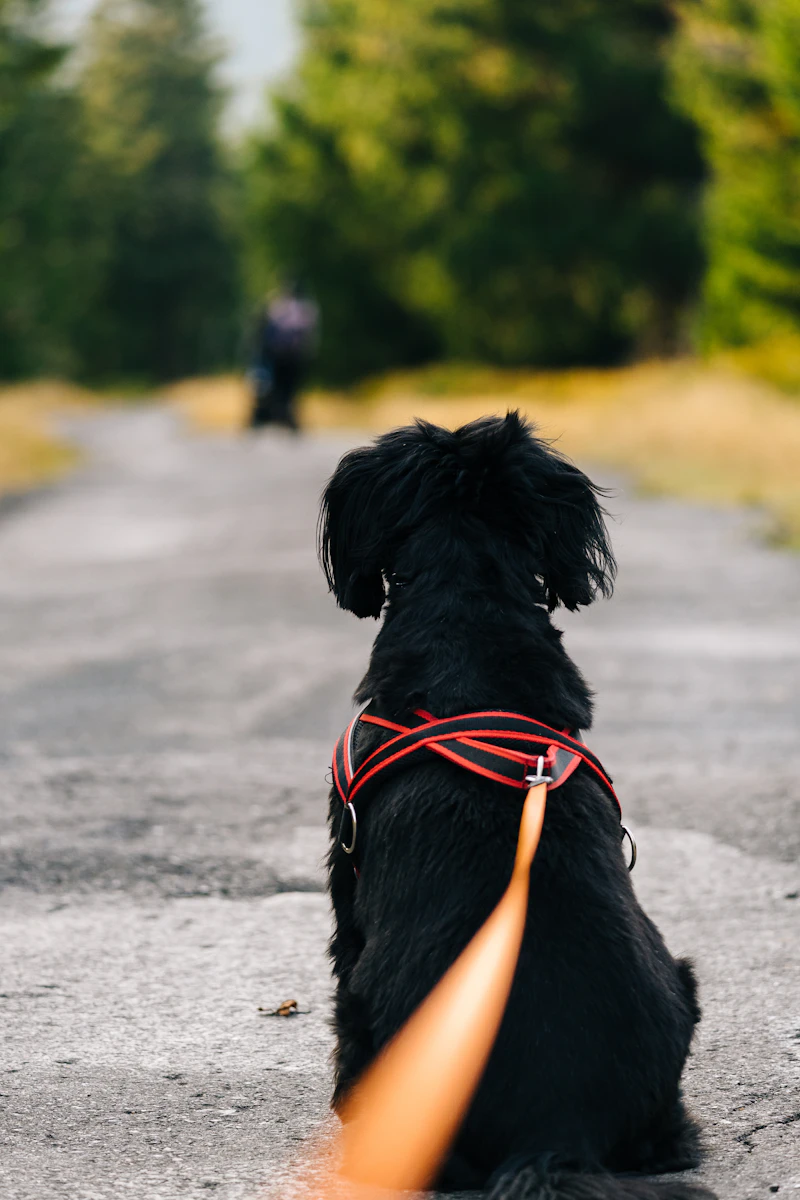
If your dog drags you down the sidewalk, you’re not alone—especially during icy Canadian winters when pulling can be downright dangerous. The good news: strong pullers aren’t “bad,” they’re untrained
Leash Training Tips for Strong Pullers (Without the Daily Tug-of-War)
If your dog drags you down the sidewalk, you’re not alone—especially during icy Canadian winters when pulling can be downright dangerous. The good news: strong pullers aren’t “bad,” they’re untrained for loose-leash walking. With the right gear, timing, and consistency, you can turn chaotic walks into calm, controlled outings.
Set Yourself Up for Success: Gear + Rules
Start with safety and clarity. Skip choke/prong collars unless advised by a qualified professional; many dogs pull harder when discomfort rises.
- Use a front-clip harness or head halter (properly fitted) to reduce pulling leverage.
- Choose a 6-foot leash; avoid retractables for training.
- Pick high-value treats (soft, pea-sized) and bring lots—especially in cold weather when motivation can drop.
- Decide your rule: “If the leash is tight, we don’t move.” Everyone in the household should follow it.
Training Moves That Work (Even for Power Pullers)
These techniques build a habit of checking in and staying near you.
- Stop-and-stand: The second the leash tightens, stop. Wait for slack (or a step back), then move forward. Timing is everything.
- Change direction: If your dog surges ahead, calmly turn and walk the other way. They learn pulling doesn’t reach the goal.
- Reward the “sweet spot”: Mark and treat when your dog is beside you with a loose leash. Aim for rapid rewards at first (every few steps), then space them out.
- Practice “let’s go” indoors: Do short sessions in hallways before tackling exciting sidewalks, parks, or busy trails.
- Burn energy first: A quick game of tug, fetch, or sniffing in the yard reduces the urge to haul you down the street.
Pro tip for Canadian winters: Use traction aids (cleats) and avoid training on glare ice—safety first.
Conclusion: Consistency Beats Strength
Leash training a strong puller is less about muscle and more about repetition. Keep sessions short, reward generously, and be consistent. Within a few weeks of daily practice, most dogs show real improvement—and walks become something you both enjoy.