Leash Training Tips for Strong Pullers
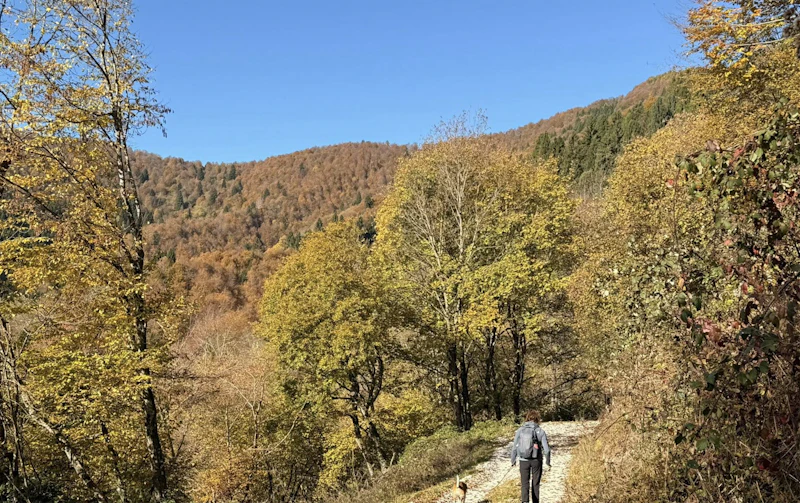
If your dog turns every walk into a deadlift, you’re not alone. Strong pullers are common—especially energetic breeds and young dogs. The good news: with the right gear and consistent technique, you c
Leash Training Tips for Strong Pullers (Without the Tug-of-War)
If your dog turns every walk into a deadlift, you’re not alone. Strong pullers are common—especially energetic breeds and young dogs. The good news: with the right gear and consistent technique, you can teach loose-leash walking without frustration. Here are practical, Canadian-friendly tips that work in real life, from city sidewalks to icy winter paths.
Start With the Right Setup
Training is harder when equipment encourages pulling. Aim for control and comfort, not force.
- Use a front-clip harness to reduce leverage and help redirect your dog toward you. Avoid choke or prong collars unless working directly with a qualified professional.
- Choose a 6-foot leash (not retractable). Retractable leashes reward pulling and reduce safety in busy areas.
- Train with high-value treats (tiny, soft pieces). In winter, keep treats accessible in an inside pocket so they don’t freeze.
Teach Loose-Leash Walking in Simple, Repeatable Steps
The goal is to make staying near you more rewarding than pulling ahead.
- Be a “tree” when the leash goes tight: stop moving. The instant your dog turns back or loosens the leash, mark (“Yes!”) and move forward again.
- Reward the position you want: give treats at your knee every few steps at first. Gradually increase the distance between rewards.
- Change direction proactively: before your dog hits the end of the leash, turn and cheerfully say “This way!” This builds attention and prevents lunging.
- Use a sniff break as a reward: ask for 2–3 seconds of loose leash, then release with “Go sniff!” Sniffing is powerful reinforcement.
- Keep sessions short: do 5–10 minutes of focused training, then a normal walk. Consistency beats marathon sessions.
Conclusion: Progress Comes Fast With Consistency
Leash training strong pullers is less about strength and more about timing, rewards, and repetition. Set your dog up to succeed, practice in low-distraction areas first, and expect gradual improvement—especially during exciting seasons like spring squirrel time or snowy winter walks. Stick with it, and your walks will feel like teamwork again.