Outdoor Adventure Gear for Dogs: Essential Outdoor Dog Gear for Hiking, Camping & More
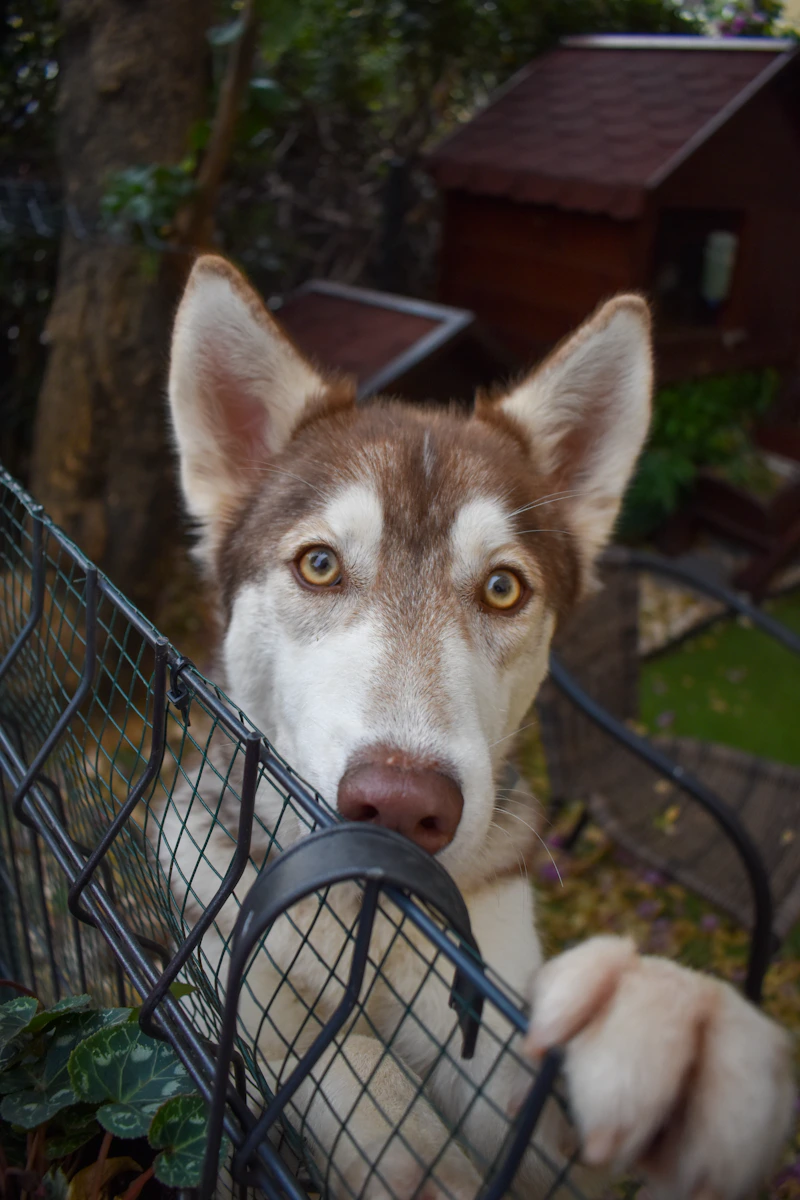
Outdoor time with your dog—hikes, camp weekends, or longer treks—is more fun (and safer) with the right outdoor dog gear. You don’t need everything; pack the adventure dog supplies you’ll actually use
Outdoor time with your dog—hikes, camp weekends, or longer treks—is more fun (and safer) with the right outdoor dog gear. You don’t need everything; pack the adventure dog supplies you’ll actually use for your terrain, weather, and dog.
Affiliate disclosure: This article may include affiliate links. If you purchase through these links, K9Corner.ca may earn a small commission at no extra cost to you.
Start with Safety: ID, Planning, and Trail Rules
Pick dog-friendly routes, confirm leash rules, and plan around conditions.
- Collar tags + microchip: Keep info current—outdoor trips increase separation risk.
- Leash etiquette: Even where off-leash is allowed, leash up for wildlife, narrow trails, and pass-bys.
- Weather/terrain: Heat, ice, sand, and sharp gravel change paw and water needs—adjust timing and distance.
- Health check: Puppies, seniors, flat-faced dogs, or dogs with joint/heart/airway issues should get vet guidance on intensity.
Harnesses and Leashes for Hiking
A well-fitted harness is the foundation of reliable outdoor dog gear: better control, less neck strain.
- Harness features: Multiple adjustment points, full shoulder movement, anti-rub fit, optional escape-resistant belly strap, top grab handle, reflective details.
- Leash options: 4–6 ft for busy/regulated trails; 10–30+ ft long line for permitted open areas/recall practice; hands-free waist leash for hiking balance.
- Tip: Match hardware to your dog’s strength—sand/salt can destroy low-quality clips.
Camping Comfort: Sleep, Shelter, and Tethering
- Sleep system: Insulated pad + packable bed/blanket to reduce heat loss and protect joints.
- Warmth/dry gear: Coat for short-haired/small/senior dogs; lightweight towel for rain, dew, and swims.
- Tethering: Use a harness (not a collar), keep lines short to prevent tangles, and never leave your dog unattended. Some dogs do best crated or close on leash.
Hydration, Food, Paws, Visibility, and First Aid
- Water: Collapsible bowl + bottle; bring extra and don’t rely on streams without treatment.
- Food: Odour-controlling container + pre-portioned meals; don’t switch diets right before a trip.
- Paws: Boots for hot rock, sharp gravel, ice melt, crusty snow, burrs—train ahead. Balm helps dry pads but won’t replace boots in extremes.
- Weather/visibility: Rain jacket, shade/early starts/water breaks for heat, insulating layer for cold, plus LED and reflective gear.
- First aid + ticks: Pack wrap, gauze, pet-safe antiseptic wipes, tick tool, scissors/tweezers, gloves, saline/eye rinse, prescribed meds, and emergency clinic info. Use vet-recommended preventives and do daily tick/foxtail checks (ears, armpits, groin, toes).
Pack Smart (Quick Checklist)
- Harness + leash (long line if appropriate), ID tags + recent photo
- Water + collapsible bowl, pre-portioned food + treats
- Waste bags, first-aid kit + tick tool
- Boots/balm, rain or warm layer, light/reflective gear
- For camping: insulated pad + bed/blanket + towel
Conclusion: Build Your Kit Around Your Dog
The best kit isn’t the biggest—it fits your dog’s body, behaviour, and conditions. Start with harness/leash, hydration/food tools, paw and weather protection, and basic first aid. Add upgrades (dog pack, GPS tracker, car safety gear, dry bag) only when your adventures demand them—and practise with gear before you go.