Outdoor Adventure Gear for Dogs: Essential Outdoor Dog Gear for Hiking and Camping
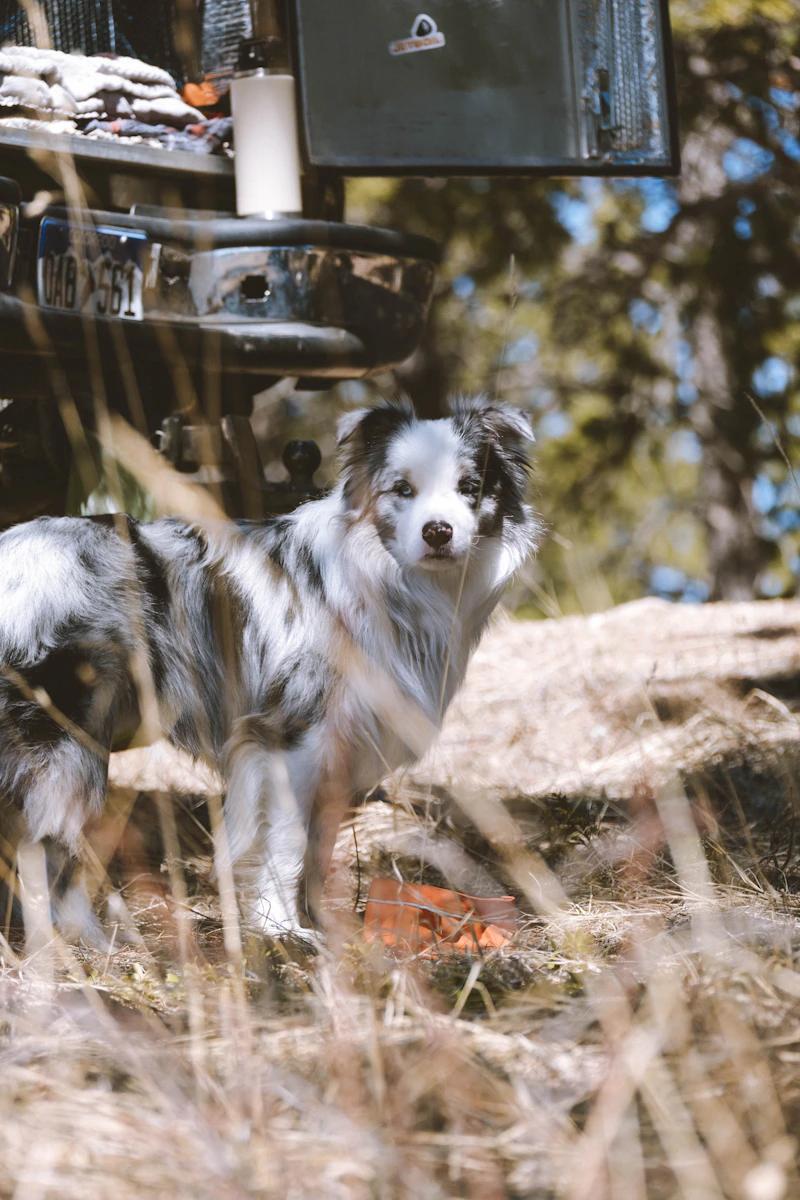
The right outdoor adventure gear for dogs can turn a stressful trip into a safe, fun one. Good outdoor dog gear keeps your dog comfortable, visible, hydrated, and protected from rough terrain, heat, c
The right outdoor adventure gear for dogs can turn a stressful trip into a safe, fun one. Good outdoor dog gear keeps your dog comfortable, visible, hydrated, and protected from rough terrain, heat, cold, and wildlife. (Affiliate note: K9Corner may earn a small commission from links at no extra cost to you.)
Start With Safety: Before You Buy Outdoor Dog Gear
Gear won’t replace planning. Before hiking or camping, cover:
- Vet check + conditioning: Confirm your dog can handle distance, elevation, and temperature swings (especially seniors, brachycephalic breeds, and dogs with orthopedic issues).
- Trail rules: Check leash laws, dog restrictions, and seasonal closures.
- Weather/terrain: Heat, cold, sharp rock, sand, and burrs change what you need.
- Training: Leash manners and a solid “leave it” prevent more issues than any gadget.
Harnesses, Leashes, and Control
A well-fitted harness is the cornerstone of outdoor dog gear: more control, less neck strain.
- Harness features: Adjustable, secure fit; Y-front for shoulder freedom; sturdy back clip (optional front clip); top handle; reflective trim.
- Leashes: 4–6 ft for most trails; hands-free waist leash with bungee for steady movers; long line (10–30 ft) only where allowed and if you can manage it safely.
Tip: Don’t clip a leash to a backpack handle—use the harness attachment ring.
Dog Camping Gear: Sleep, Shelter, Comfort
- Sleep setup: Insulated pad (foam = durable; inflatable = cushier), packable bed/blanket, optional dog sleeping bag for short coats/shoulder seasons.
- Camp management: Tether where permitted (use a harness, not a collar); optional crate/pen for dogs who settle better; lightweight towel for paws and mud.
Tip: Practice sleeping in the tent at home first.
Hydration, Food, Protection, and Emergencies
- Hydration: Collapsible bowl; carry enough water—don’t rely on streams unless properly filtered/purified; use only dog-safe electrolytes if needed.
- Food + storage: Pre-portion meals; consider higher-calorie food for big days (ask your vet); store dog food like human food with bear/crittersafe systems per local rules; pack extra for delays.
- Paws/weather: Boots for abrasive/hot/icy ground; paw wax for light protection; tick/burr checks (including between toes). Rain jacket for wet chill; insulated coat for cold. For heat: shade, water, cooler hours—watch for heavy panting, drooling, weakness, disorientation.
- Visibility/ID: Reflective gear, clip-on LED, current ID tag (consider a second contact), and updated microchip registration.
- Emergency: Dog first aid kit (gauze, self-adhering wrap, pet-safe antiseptic wipes, tick tool/tweezers, gloves, blunt scissors, saline, non-stick pads) plus a backup leash. Optional: GPS tracker, basket muzzle training.
Choose Gear That Works (and Gets Used)
- Fit first: Measure and test on short walks—rubbing gear ruins trips.
- Match conditions: Alpine rock, desert heat, and wet forests need different solutions.
- Practice at home: Harness, boots, jacket, and sleep setup.
Start simple: harness + leash, water system, visibility, and first aid, then add sleep insulation, weather layers, and containment as adventures get longer.