Potty Training Your Puppy: A Step-by-Step Guide
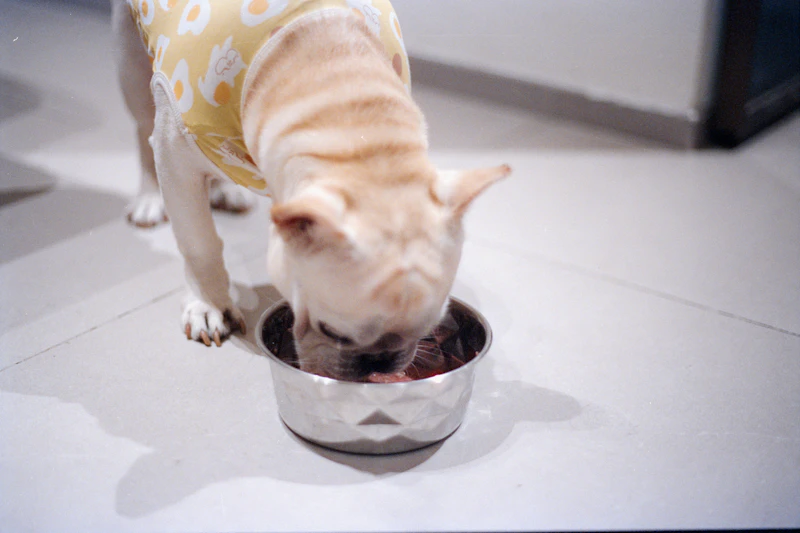
Potty training is one of the first (and most important) habits you’ll teach your puppy. The key is simple: set a routine, supervise closely, and reward the right behaviour. With consistency, most pupp
Potty Training Your Puppy: A Step-by-Step Guide
Potty training is one of the first (and most important) habits you’ll teach your puppy. The key is simple: set a routine, supervise closely, and reward the right behaviour. With consistency, most puppies make solid progress in a few weeks—faster if you start the day they come home.
Step 1: Build a Routine Your Puppy Can Predict
Puppies have small bladders, so frequency matters. Take your puppy out:
- First thing in the morning
- After naps, meals, play, and training sessions
- Before bed (and once overnight for very young pups)
- Every 1–2 hours at first (a common rule: about one hour per month of age, up to 8 hours)
Pick one “bathroom spot,” stand still, and use a cue like “Go pee”. In Canadian winters, keep outings short: use a coat for tiny breeds, shovel a small potty area, and consider paw protection if salt/ice irritate.
Step 2: Supervise, Confine, and Prevent Accidents
When you can’t watch your puppy, use a crate or exercise pen. Dogs naturally avoid soiling their sleeping area (if the crate is the right size). When you’re home, supervise actively—leash your puppy to you or keep them in the same room.
- Watch for signals: sniffing, circling, sudden wandering, or heading to a corner
- Interrupt calmly and immediately take them outside
- Clean accidents with an enzymatic cleaner (regular cleaners can leave scent behind)
Step 3: Reward Like It Matters (Because It Does)
The moment your puppy finishes outside, give praise + a high-value treat within 1–2 seconds. This timing is what makes the lesson stick. Avoid punishment for indoor accidents—it increases anxiety and can slow progress.
Conclusion: Potty training is mostly repetition: routine outings, smart supervision, and immediate rewards. Stick with it through weather and busy days, and you’ll build a reliable habit that lasts for life.