Potty Training Your Puppy: A Step-by-Step Guide
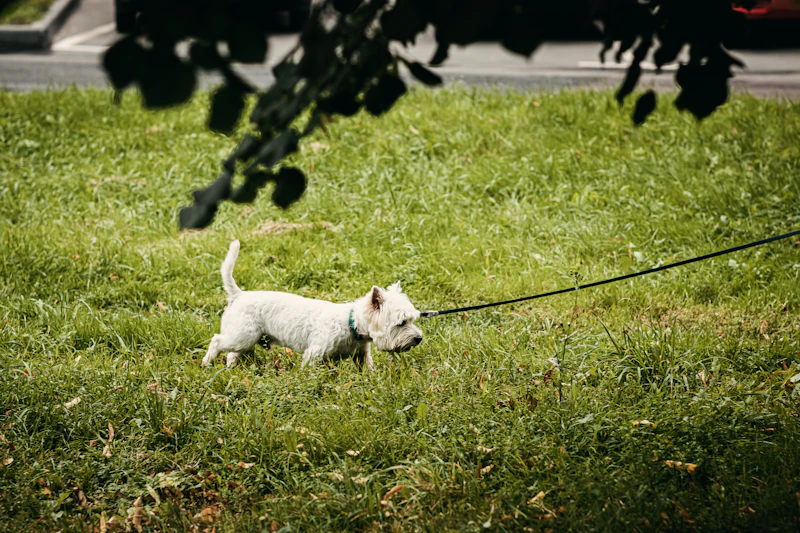
Potty training a puppy is mostly about timing, consistency, and supervision. With a simple routine and clear rewards, most puppies learn quickly—even through a Canadian winter. Use this step-by-step g
Potty training a puppy is mostly about timing, consistency, and supervision. With a simple routine and clear rewards, most puppies learn quickly—even through a Canadian winter. Use this step-by-step guide to cut accidents fast and build reliable habits.
1) Set Up a Simple Potty Routine
Puppies don’t “hold it” well. A good rule of thumb is age in months + 1 hour (e.g., a 3-month-old = ~4 hours max), but take them out more often at first.
- Go out on a schedule: first thing in the morning, after naps, after meals, after play, and right before bed.
- Pick one potty spot outside and always go there. The smell cues success.
- Use a cue word like “Go pee” or “Hurry up.” Say it calmly as they start.
- Winter tip (Canada): keep a shoveled path, use a warm coat for short-haired pups, and consider a sheltered spot to reduce delays that lead to indoor accidents.
2) Prevent Accidents (Supervision + Confinement)
Training improves fastest when your puppy has fewer chances to make mistakes.
- Watch for signals: sniffing, circling, sudden wandering, or heading to the door.
- Use a crate or pen when you can’t supervise. Most puppies won’t soil where they sleep (if the crate isn’t too big).
- Try tethering: clip the leash to your belt indoors so you catch signals early.
- Feed on schedule: consistent meal times create predictable bathroom times.
3) Reward Success + Handle Mistakes Correctly
When your puppy pees outside, reward immediately—within 1–2 seconds.
- Praise + treat right after they finish, then allow a short “free time” as a bonus.
- If you catch them mid-accident: calmly interrupt, take them outside, and reward if they finish.
- If you find it later: don’t punish. Clean with an enzyme cleaner to remove odours that trigger repeat accidents.
Conclusion: Stick to the routine for 2–3 weeks and you’ll see major progress. If accidents persist beyond a month, rule out medical issues (like a UTI) with your vet and tighten your schedule and supervision.