Potty Training Your Puppy: A Step-by-Step Guide
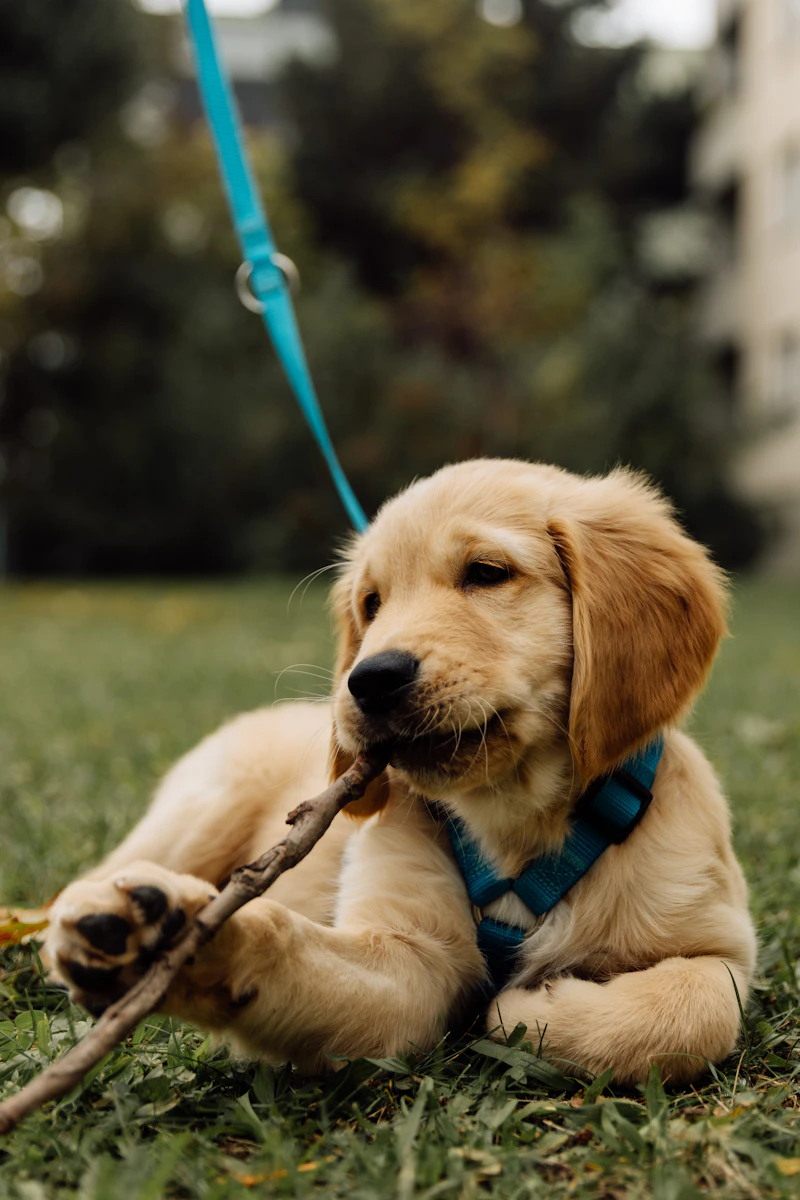
Potty training a puppy is mostly about routine, timing, and rewards. If you’re consistent for the first 2–4 weeks, most pups quickly learn where to go. In Canada, winter adds a twist—so set your plan
Potty Training Your Puppy: The Step-by-Step Plan That Works
Potty training a puppy is mostly about routine, timing, and rewards. If you’re consistent for the first 2–4 weeks, most pups quickly learn where to go. In Canada, winter adds a twist—so set your plan early and stick to it, even on cold days.
Step 1: Set Up the Right Routine (Days 1–7)
Your puppy needs frequent, predictable bathroom breaks. Pick one outdoor “potty spot” and always go there on leash.
- Take your puppy out first thing in the morning, after every meal, after naps, after play, and right before bed.
- For young puppies, aim for every 1–2 hours when awake.
- Feed on a schedule (not free-feeding) to make potty times predictable.
- Use a crate or small pen when you can’t supervise—puppies avoid soiling their sleeping area.
Canadian winter tip: Clear a small patch of snow and keep it consistent. Consider a shoveled path and booties for sensitive paws, but don’t delay trips—speed matters more than comfort early on.
Step 2: Train the Behaviour (Days 7–21)
When you go out, be boring. Stand still, give a simple cue (“Go pee”), and wait quietly for 5 minutes.
- The second your puppy finishes, reward immediately (treat + praise) outside, not back indoors.
- If nothing happens, bring them in and supervise closely; try again in 10–15 minutes.
- Watch for signals: circling, sniffing, suddenly leaving play, or heading to corners.
Accident protocol: Don’t punish. Interrupt gently (“Oops!”), take them outside, and clean indoors with an enzymatic cleaner to remove odour cues.
Step 3: Prevent Setbacks and Build Reliability (Weeks 3–6)
Gradually increase freedom only after 7–10 accident-free days. Keep rewarding outdoor wins, especially in new locations.
Conclusion: Potty training is a consistency game. Follow the schedule, reward fast, and manage supervision—your puppy will learn quickly, even through a Canadian winter.