Preparing Your Home for a New Puppy
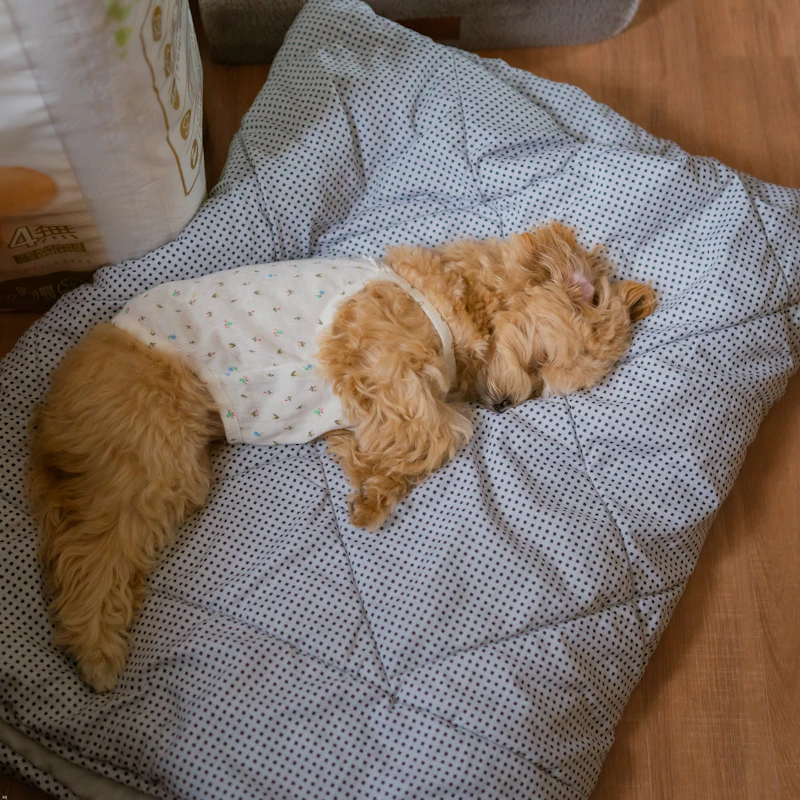
Bringing home a puppy is exciting—and a little chaotic. A few smart setup steps now will prevent chewed cords, potty accidents, and sleepless nights later. Here’s how to prepare your home for a new pu
Bringing home a puppy is exciting—and a little chaotic. A few smart setup steps now will prevent chewed cords, potty accidents, and sleepless nights later. Here’s how to prepare your home for a new puppy (Canadian-friendly tips included) before pickup day.
Puppy-proof your space (think toddler with teeth)
Do a quick crawl-level scan and remove hazards. Focus on the areas your puppy will access first.
- Secure cords and outlets: hide cables, use cord covers, and unplug chargers.
- Block off danger zones: use baby gates for stairs, kitchens, and laundry rooms.
- Remove toxins: store cleaners, meds, cannabis products, and antifreeze locked up (antifreeze is especially dangerous in winter).
- Relocate small chewables: kids’ toys, shoes, remote controls, and loose socks.
- Check plants: keep lilies, pothos, and other toxic houseplants out of reach.
If you have a yard, confirm fencing has no gaps and that gates latch. In many Canadian neighbourhoods, a long line is safer than trusting an unfenced area.
Set up a calm “home base” (crate + confinement = success)
Create one predictable, quiet zone to help with house training and rest.
- Crate or pen: choose a crate sized for standing/turning; add a divider for growing pups.
- Easy-clean flooring: place the setup on vinyl or use a washable mat.
- Sleep essentials: blanket, safe chew, and a water bowl (or remove water overnight if your vet recommends for house training).
- Potty plan: pick one outdoor door and one potty spot; keep treats by the exit for fast rewards.
Stock up on basics: enzyme cleaner, poop bags, a collar/harness, ID tag, and a weather-appropriate coat for short-haired pups during colder months.
Plan the first 72 hours
Book a vet visit, confirm vaccination schedules, and ask about parasite prevention common in your region. Keep routines simple: frequent potty breaks, short play sessions, and lots of naps.
Bottom line: puppy-proofing plus a solid home base makes the transition smoother for you and safer for your new dog—so you can focus on bonding, not damage control.