Puppy Socialization: How to Socialize a Puppy Safely and Confidently
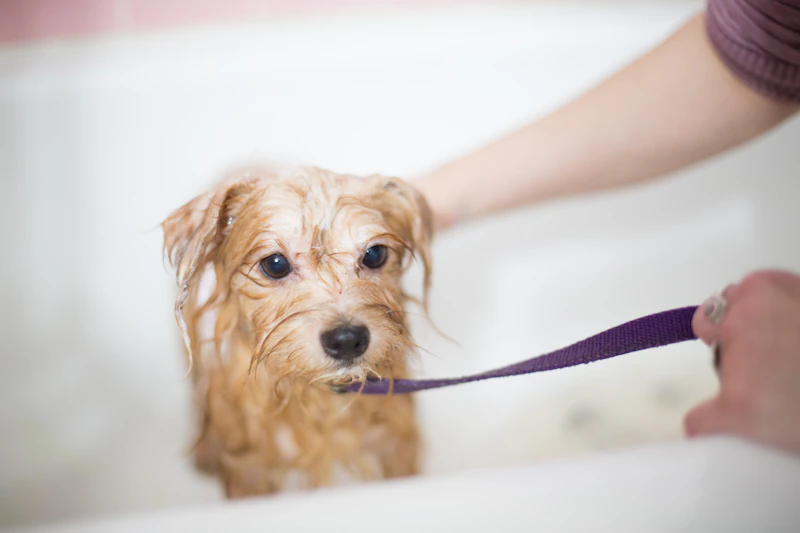
Bringing home a new puppy is exciting—and a little overwhelming. One of the most important early goals is puppy socialization: teaching your puppy the world is safe, predictable, and full of good thin
Bringing home a new puppy is exciting—and a little overwhelming. One of the most important early goals is puppy socialization: teaching your puppy the world is safe, predictable, and full of good things. Done well, it helps prevent fear, reactivity, and stress later on.
What Puppy Socialization Really Means (and What It Doesn’t)
Socialization is building positive (or at least neutral) associations with people, dogs, places, and daily life. That includes:
- Environments (streets, parks, elevators, car rides)
- Sounds (vacuum, traffic, doorbells, storms)
- Handling/grooming (paws, brushing, nail trims)
- Objects/surfaces (umbrellas, wheelchairs, stairs, slick floors)
It’s not forcing interaction. Your puppy doesn’t need to greet everyone—your goal is a dog who stays relaxed and responsive around new things.
When to Start: Timing, Vaccines, and Safety
Start the moment your puppy comes home. There’s an early socialization window where confidence is easier to build, but learning continues for life.
- Ask your veterinarian about local disease risk and safe activities.
- Choose low-risk socialization: friends’ homes, meeting healthy vaccinated dogs you know, carrying your puppy in busy areas, and skipping high-traffic dog parks.
- Use controlled options like reputable puppy classes with vaccine rules and sanitation.
A Step-by-Step Puppy Socialization Plan
- Start with calm observation: watch from a comfortable distance; reward calm with treats.
- Keep it short: aim for several 5–10 minute outings; end on a win.
- Pair novelty with value: bring high-value treats/toys so your puppy feels safe.
- Increase difficulty gradually: quiet street → busier street; calm dog → brief supervised play; 1-second paw touch → longer → nail tool “look and sniff.”
- Teach a “check-in”: reward your puppy for looking back at you—this becomes their anchor in new places.
Real-World Tips + Classes + Common Mistakes
- People: let your puppy approach; reward four paws on the floor; prioritize variety (hats, beards, uniforms, mobility aids).
- Dogs: choose gentle, healthy, vaccinated role models; avoid tense on-leash greetings with unknown dogs; keep play brief and supervised with frequent breaks.
- Handling: touch ears/paws/mouth briefly then treat; practice brushing; do mock vet exams for calm stillness.
- Sounds/surfaces: play recordings quietly during food/play and increase slowly; build confidence on different surfaces with treats.
- Puppy classes: look for small groups, supervised play, reward-based methods, clean facilities, and instructors who explain body language. Avoid “free-for-all” play, intimidation, and forced exposure.
- Avoid: