Puppy Socialization: How to Socialize a Puppy the Right Way (Step-by-Step)
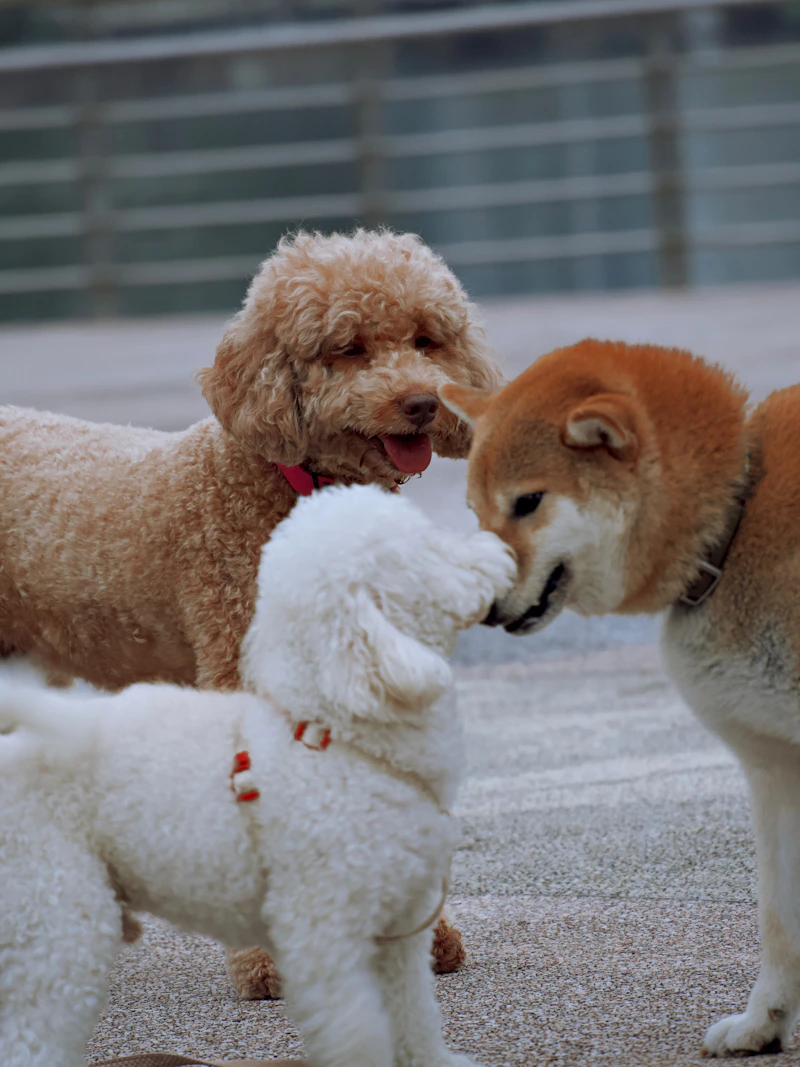
Bringing home a puppy is exciting—and a little overwhelming. One of your most important early jobs is puppy socialization: teaching your pup the world is safe, predictable, and worth exploring. Done w
Bringing home a puppy is exciting—and a little overwhelming. One of your most important early jobs is puppy socialization: teaching your pup the world is safe, predictable, and worth exploring. Done well, it reduces fear, reactivity, and stress. Skipped or rushed, everyday life (visitors, vet care, grooming, traffic) can feel scary and trigger problem behaviours.
What Puppy Socialization Really Means (and What It Doesn’t)
Socialization isn’t just “meeting lots of dogs.” It’s building positive, low-pressure experiences with people, dogs, handling, places, sounds, surfaces, vehicles, and routines. Quality beats quantity.
- Good socialization: puppy stays able to take treats, recovers quickly, sessions are short, and your pup can move away.
- Not socialization: forcing scary exposure, chaotic dog-park intros, or letting everyone pet a hesitant puppy.
When to Start: Timing, Vaccines, and Safe Exposure
There’s an early receptive window, but socialization doesn’t “end”—it just takes more patience later. Balance disease risk and real-world exposure by working with your veterinarian.
- Do calm meet-and-greets with healthy, friendly, vaccinated adult dogs you know.
- Carry your puppy (or use a clean stroller/cart liner) to watch the world safely.
- Pick low-risk locations (your yard, a friend’s home, quiet sidewalks) over dog parks/pet-store floors.
- Prioritize non-dog exposure: handling, grooming tools, car rides, sounds, and surfaces.
A Step-by-Step Puppy Socialization Plan
- Build a “safety bubble”: teach name response, hand target, and settle on a mat.
- Tiny novelty doses: umbrellas, low-volume sound tracks, different surfaces. If your puppy freezes, backs up, tucks tail, or won’t eat, increase distance or reduce intensity.
- 5–10 minute “look at that” field trips: observe from afar and feed for calm; add easy “vet sniff-and-treat” visits.
- Make greetings optional: 1–3 second hellos, then call back and reward; ask people to toss treats instead of petting.
- Repeat weekly: rotate people, handling (paws/ears/collar grabs), places, sounds, movement (bikes/runners), and short car routines.
Puppy Classes + Common Mistakes
Choose reward-based puppy classes with supervised play, size/style grouping, calm breaks, and handling skills. Ask how they support shy pups, prevent bullying, and what health requirements and class size are.
- Avoid flooding: go slower and shorter; use high-value treats.
- Avoid dog-park “socialization”: choose known dogs, trainer-run socials, or parallel walks.
- Prevent unwanted petting: “They’re in training—could you toss a treat?”
- Don’t skip grooming prep: touch → treat → release; brief brush → treat → stop.
Quick Wins You Can Use Today
- Treat-and-retreat: visitors toss treats behind your puppy to reduce pressure.
- Calm pass-by: step aside, feed as people/dogs pass, then leave.
- Vet/groomer practice: walk-by treats; gentle “exam” at home on a non-slip surface.
Keep it short, positive, and repeatable—and you’ll build confidence one calm, rewarding experience at a time.