Recognizing Signs of Pain in Your Dog
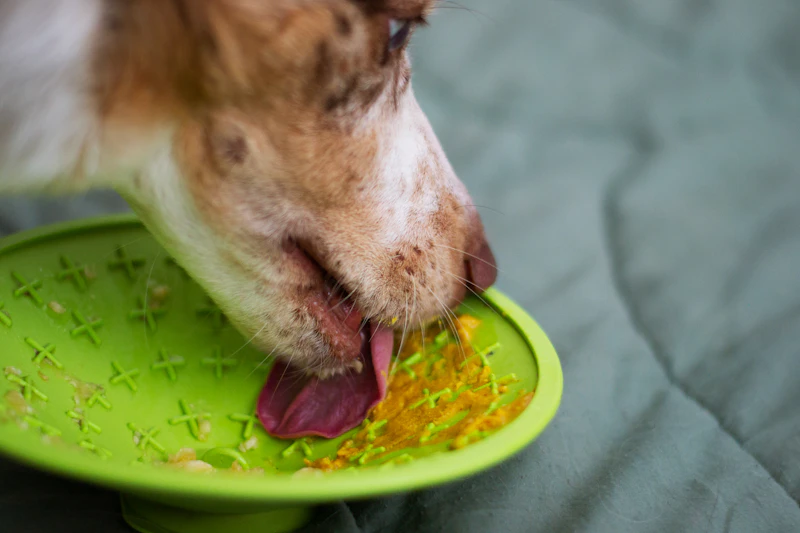
Dogs are experts at hiding discomfort, so pain can be easy to miss—especially when it builds slowly (think arthritis in older Canadian pups). Catching subtle changes early can prevent worsening injury
Recognizing Signs of Pain in Your Dog
Dogs are experts at hiding discomfort, so pain can be easy to miss—especially when it builds slowly (think arthritis in older Canadian pups). Catching subtle changes early can prevent worsening injury and help your vet treat the real cause faster.
Common Signs Your Dog May Be in Pain
Watch for a mix of physical and behavioural clues. One sign alone may be minor; several together deserve attention.
- Changes in movement: limping, stiffness after rest, slower on stairs, reluctance to jump into the car, lagging on walks.
- Unusual posture: hunched back, tucked tail, head held low, weight shifted off a limb.
- Grooming changes: licking/chewing one spot, avoiding being brushed, matted coat from reduced self-care.
- Facial and body tension: squinting, pinned ears, tight mouth, “whale eye,” trembling.
- Behaviour shifts: irritability, withdrawal, restlessness at night, hiding, less interest in play or food.
- Vocalizing: whining, yelping when touched, groaning when lying down—though many dogs stay silent.
- Bathroom changes: accidents, straining, or avoiding squatting (often linked to joint/back pain).
What to Do Next (Actionable Steps)
1) Do a quick “pain check.” Note when it started, which activities trigger it, and whether it’s improving or worsening. Take a 10–20 second video of walking, sitting, and standing—vets love this.
2) Modify activity now. Keep walks short and flat, use a harness, add rugs for traction, and block stairs if needed. In winter, wipe salt off paws and watch for slipping on ice.
3) Call your veterinarian. Seek urgent care if there’s sudden lameness, a bloated belly, pale gums, repeated vomiting, trouble breathing, or suspected poisoning (in Canada: call Pet Poison Helpline).
4) Never give human pain meds. Ibuprofen, acetaminophen, and naproxen can be dangerous for dogs. Ask your vet about safe options and rehab/physio.
Conclusion: You know your dog’s “normal” best. If something feels off, trust your instincts—early action is the kindest (and often most cost-effective) care.