Socialization Tips for Puppies and Adult Dogs
Good dog socialization isn’t about forcing interactions—it’s about building calm confidence around people, dogs, places, and sounds. In Canada, that can mean everything from busy sidewalks and elevato
Socialization Tips for Puppies and Adult Dogs
Good dog socialization isn’t about forcing interactions—it’s about building calm confidence around people, dogs, places, and sounds. In Canada, that can mean everything from busy sidewalks and elevators to winter gear, snowbanks, and salt trucks. Whether you’ve got a young pup or a newly adopted adult, the goal is the same: create positive, controlled experiences that your dog can handle.
Puppy Socialization: Do It Early, Do It Right
The key puppy socialization window is roughly 3–14 weeks. Go slow, pair new things with treats, and prioritize quality over quantity.
- Make a weekly “novelty list”: kids, people with hats, wheelchairs, cyclists, skateboards, delivery drivers, different floors, automatic doors.
- Short sessions, big rewards: 2–5 minutes of exposure followed by play or food beats long, overwhelming outings.
- Safe dog introductions: choose calm, vaccinated adult dogs; avoid chaotic dog parks early on.
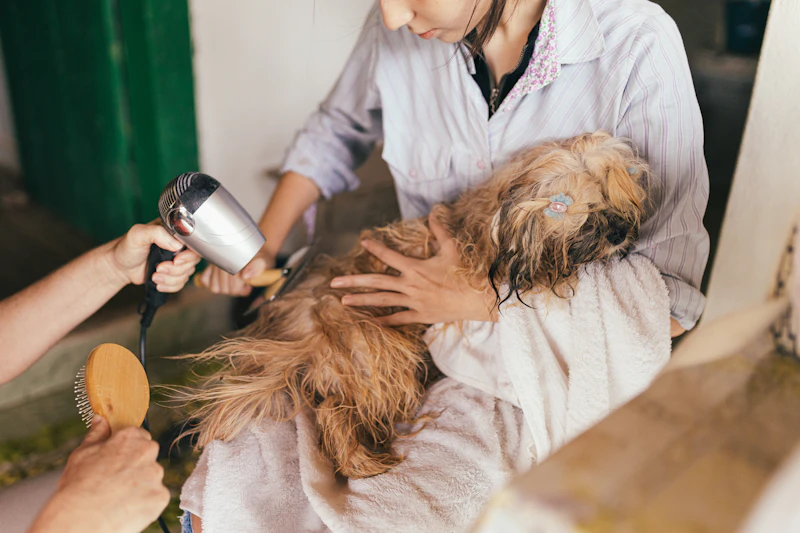
- Handling practice: gently touch paws, ears, collar, and mouth while feeding treats—helps with vet visits and grooming.
- Canadian winter prep: introduce boots, jackets, umbrellas, and the sound of snow shovels; watch for fear of icy surfaces.
Adult Dog Socialization: Rebuild Confidence Without Pressure
Adult dogs can absolutely learn new social skills—especially with desensitization and counter-conditioning. Focus on neutral, calm exposure and protect your dog’s comfort zone.
- Start at a distance: if your dog reacts, you’re too close. Back up until they can take treats and look relaxed.
- Use “Look at That”: mark (yes/click) when they notice a trigger, then treat—teaches calm observation.
- Choose low-traffic routes: quiet parks, off-hours walks, wide trails; avoid tight sidewalks during rush hour.
- Skip forced greetings: no “go say hi.” Reward calm passing and offer U-turns as an easy exit.
- Get help when needed: if there’s fear, reactivity, or a bite history, work with a certified trainer (look for positive reinforcement credentials).
Bottom line: Socialization is a lifelong skill. Keep exposures positive, predictable, and your dog will become steadier—one successful repetition at a time.