Socialization Tips for Puppies and Adult Dogs
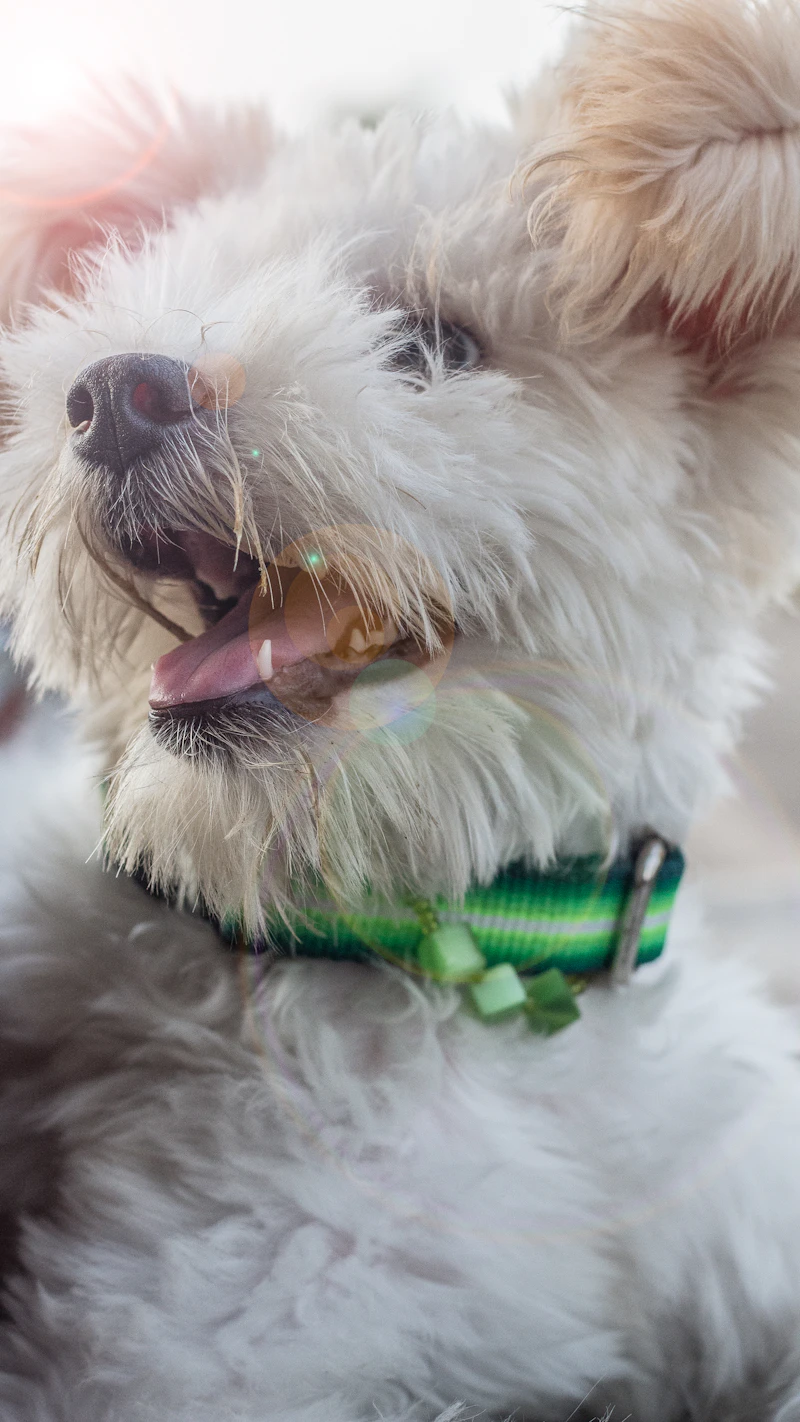
Good dog socialization isn’t about forcing “meet-and-greets.” It’s about building calm, positive associations with people, dogs, places, sounds, and handling. In Canada, where winter gear, icy sidewal
Socialization Tips for Puppies and Adult Dogs (Canadian Guide)
Good dog socialization isn’t about forcing “meet-and-greets.” It’s about building calm, positive associations with people, dogs, places, sounds, and handling. In Canada, where winter gear, icy sidewalks, and busy parks can add stress, smart pacing matters even more.
Puppy Socialization: Do It Early, Do It Right
Puppies learn fastest during the early socialization window (roughly 3–14 weeks). Focus on quality over quantity and keep sessions short.
- Pair new things with rewards: Treats, praise, or play whenever your puppy notices something new (strollers, skateboards, snowplows).
- Plan “field trips”: Sit at a distance near a park, school yard, or café patio and reward calm watching. Don’t rush greetings.
- Safe dog introductions: Choose calm, vaccinated dogs. Avoid dog parks for young puppies—too unpredictable.
- Handling practice: Gently touch paws, ears, collar, and mouth for 1–2 seconds, reward, and stop. This helps with vet visits and nail trims.
- Winter-specific prep: Introduce boots, jackets, and the sound of Velcro gradually—treat after each step.
Adult Dog Socialization: Rebuild Confidence Without Pressure
Adult dogs can absolutely learn new social skills, but progress is often slower. Aim for neutral, relaxed exposure, not constant interaction.
- Start under threshold: If your dog stiffens, barks, or pulls, you’re too close. Increase distance until they can take treats.
- Use parallel walks: Walk two dogs side-by-side at a comfortable distance before allowing any sniffing.
- Create predictable routines: Quiet trails, off-peak park hours, and consistent cues (“Let’s go,” “Watch me”) reduce surprises.
- Choose controlled classes: A positive-reinforcement trainer (look for CCPDT or IAABC credentials) can help with reactivity and fear.
- Skip the dog park if needed: It’s okay—many dogs prefer small circles and structured play.
Conclusion: Whether you’re socializing a puppy or resocializing an adult, prioritize safety, distance, and positive experiences. Small, successful reps—especially through Canada’s seasons—build the confident, well-mannered dog you want.