Socialization Tips for Puppies and Adult Dogs
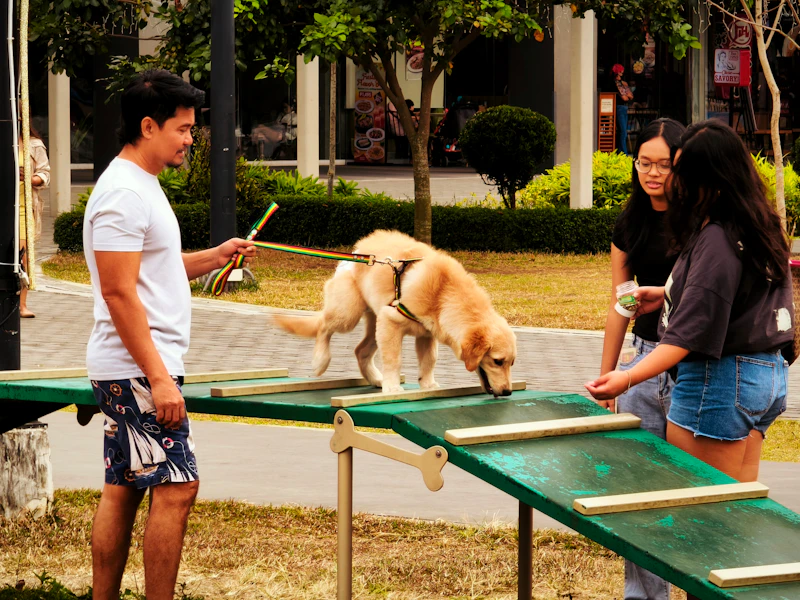
Good dog socialization isn’t about forcing your pet to “say hi” to everyone—it’s about building calm confidence around people, dogs, places, and sounds. In Canada, that often means navigating busy sid
Socialization Tips for Puppies and Adult Dogs
Good dog socialization isn’t about forcing your pet to “say hi” to everyone—it’s about building calm confidence around people, dogs, places, and sounds. In Canada, that often means navigating busy sidewalks, winter gear, and dog-friendly patios. Whether you’re raising a puppy or helping an adult dog catch up, the goal is the same: safe, positive exposure at your dog’s pace.
Puppy Socialization: Start Early, Keep It Positive
The key puppy socialization window is roughly 3–16 weeks. Aim for short, upbeat sessions and pair new experiences with treats, play, and distance when needed.
- Build a “Canada list”: exposure to snowbanks, salt trucks, skates/hockey bags, strollers, elevators, and people in hats, hoodies, and winter boots.
- Quality over quantity: 5 calm minutes near a playground beats 30 minutes of overwhelm.
- Let your puppy opt out: if they freeze, tuck tail, or refuse food, increase distance and try again later.
- Safe dog meetings: choose known, friendly dogs; avoid crowded off-leash areas until your pup has solid recall and confidence.
- Enroll wisely: use reward-based puppy classes (check for vaccine requirements and clean facilities).
Adult Dog Socialization: Re-Socialization Without Pressure
Adult dogs can learn new emotional responses with desensitization and counterconditioning: trigger appears at a safe distance, treats happen, trigger goes away.
- Find the “threshold”: work far enough away that your dog can take food and respond to their name.
- Use parallel walks: walk two dogs 10–30 meters apart, slowly closing the gap as both stay relaxed.
- Practice neutral wins: reward calm “look at that” moments instead of insisting on greetings.
- Manage the environment: choose quieter times at parks, use a front-clip harness, and avoid retractable leashes in busy areas.
- Get help early: for fear, reactivity, or bite history, work with a certified, force-free trainer (or veterinary behaviourist).
Conclusion: Consistent, positive socialization builds a dog who can handle real life—whether it’s a Toronto sidewalk or a snowy trail in Alberta. Go slowly, reward generously, and celebrate calm behaviour over forced interaction.