Socialization Tips for Puppies and Adult Dogs
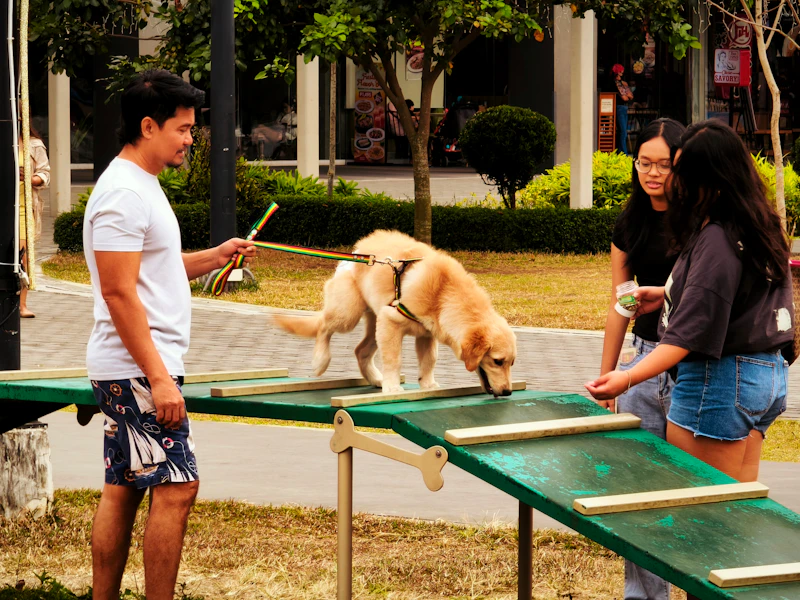
Good socialization helps dogs stay calm, confident, and safe around people, dogs, places, and sounds. In Canada, that might mean everything from busy patios and TTC/TransLink noise to snowy sidewalks
Socialization Tips for Puppies and Adult Dogs
Good socialization helps dogs stay calm, confident, and safe around people, dogs, places, and sounds. In Canada, that might mean everything from busy patios and TTC/TransLink noise to snowy sidewalks and springtime cyclists. Whether you’ve got a new puppy or an adult dog, the goal is the same: create positive, controlled experiences—at your dog’s pace.
Puppy Socialization: Build Confidence Early
The key window is roughly 8–16 weeks, but smart socialization continues well beyond that. Focus on quality, not quantity.
- Pair new things with rewards: Treats, play, or praise while your puppy notices (not fears) something new.
- Short sessions, many reps: 2–5 minutes at a time beats long, overwhelming outings.
- Safe dog meetups: Choose calm, vaccinated dogs and avoid chaotic dog parks during early learning.
- Sound training at home: Play recordings (thunder, fireworks, traffic) at low volume while feeding.
- Handling practice: Gently touch paws, ears, collar, and mouth daily; reward cooperation for vet/grooming readiness.
- Canadian weather exposure: Introduce boots, jackets, and salted sidewalks gradually—treat and go slow.
Adult Dog Socialization: Rebuild Skills Without Flooding
Adult dogs can absolutely learn—just use gradual exposure and protect their comfort zone.
- Start under threshold: If your dog reacts at 10 metres, train at 20 metres and reward calm looks.
- Use “Look at that”: Mark and treat when your dog notices a trigger (dog, stroller, skateboard) calmly.
- Choose quieter locations: Off-peak trails, wide parks, or empty school fields beat crowded sidewalks.
- Plan controlled greetings: Parallel walks first; keep leashes loose; end interactions while they’re still going well.
- Consider help: For fear or aggression, work with a force-free trainer (look for credentials like CPDT-KA).
Conclusion: Great socialization isn’t about forcing friendliness—it’s about teaching your dog that the world is predictable and rewarding. Go slowly, reward often, and prioritize calm, positive experiences in everyday Canadian life.