Traveling with Your Dog: A Complete Guide
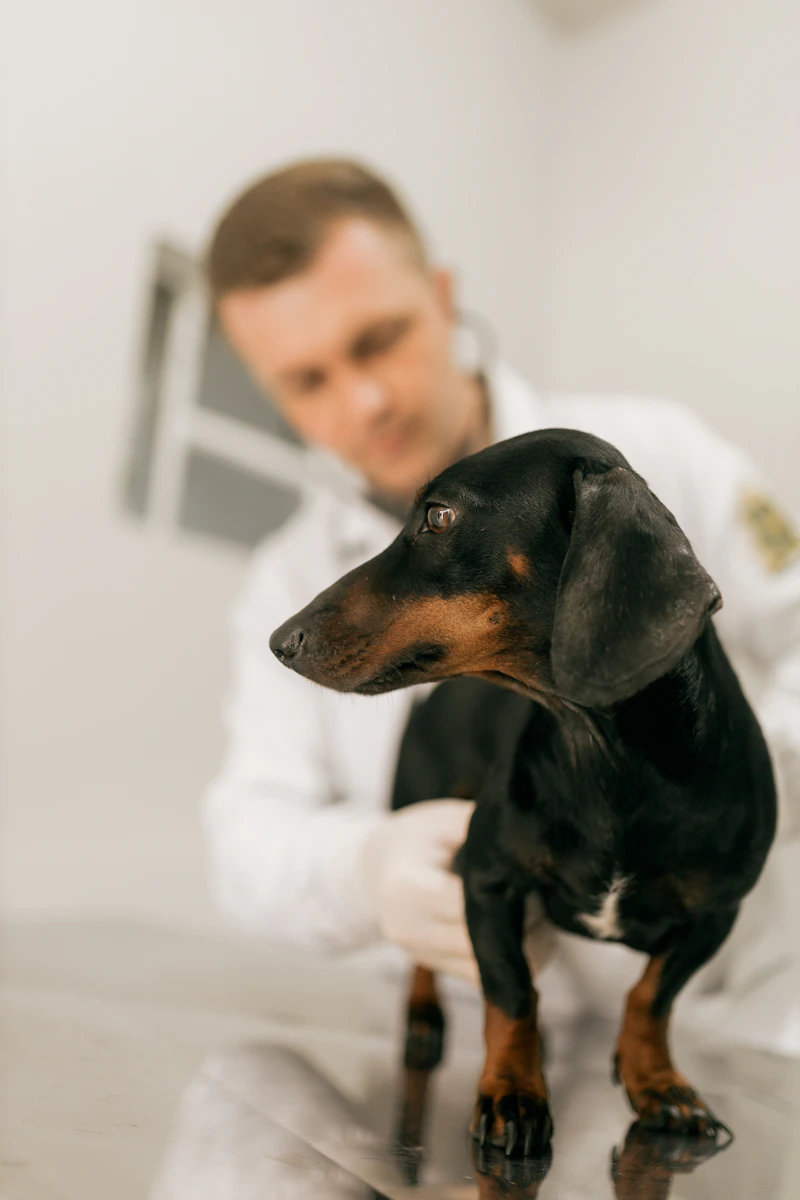
Traveling with your dog can be smooth, safe, and fun—if you plan like a pro. This complete guide covers the essentials for road trips, flights, and cross-border travel from a Canadian perspective, so
Traveling with your dog can be smooth, safe, and fun—if you plan like a pro. This complete guide covers the essentials for road trips, flights, and cross-border travel from a Canadian perspective, so you can focus on making memories (not managing mishaps).
Before You Go: Health, Documents, and Gear
Start preparation 1–2 weeks early. Book a vet check and confirm your dog is healthy for travel. If your dog gets anxious or carsick, ask about safe options—never medicate without veterinary advice.
- ID matters: Ensure a microchip is registered and tags are up to date with a mobile number.
- Border-ready paperwork: For Canada–U.S. trips, bring proof of rabies vaccination and your dog’s health records; rules can change, so verify requirements with the CBSA and CDC before departure.
- Pack a dog travel kit: food, collapsible bowls, leash/harness, poop bags, towel, grooming wipes, first-aid basics, and 2–3 days of extra meds.
- Crate or car restraint: Use a crash-tested harness or secured crate—safer for everyone and reduces driver distraction.
On the Road (and in the Air): Safety and Comfort
For road trips, keep your dog cool and secure. Never leave a dog in a parked car—even in Canada, temperatures can rise fast.
- Plan stops: Break every 2–3 hours for water, potty, and a short sniff walk.
- Feed smart: Give smaller meals; avoid feeding right before departure to reduce nausea.
- Hotel success: Confirm pet policies, fees, and weight limits in writing. Bring a familiar blanket to help your dog settle.
- Flying tips: Check airline rules for carrier size, breed restrictions, and seasonal temperature embargoes. Label the carrier and pack a backup leash in your carry-on.
Arrival: Routine, Hazards, and Local Rules
Set up a “home base” with water, bed, and toys, then do a quick hazard scan (open balconies, toxic plants, dropped food). Review local leash bylaws and look up the nearest emergency vet.
Bottom line: With the right documents, restraint system, and routine, traveling with your dog becomes easy—whether you’re crossing provinces, heading to the U.S., or exploring a new city together.